
Vegetables
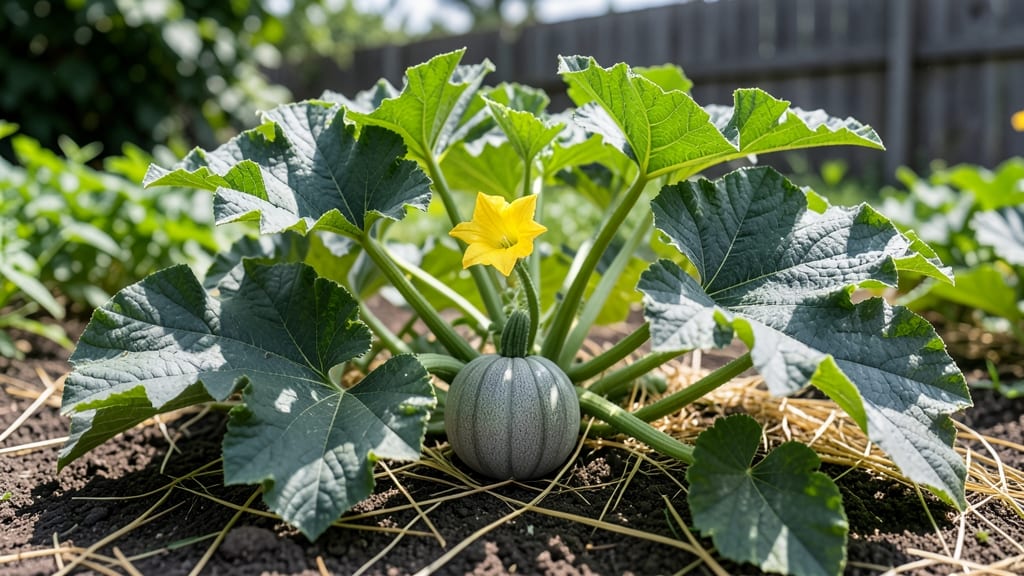
Grey zucchini squash thrives where most squash fail—cold snaps, containers, and even without soil. 🌱 I grew mine last winter in a 5-gallon fabric pot on my porch, and it produced 12 zucchini by March, proving this heirloom isn't just hardy—it's a cold-weather game-changer.
The secret lies in its perennial nature—it regrows from the same roots each season, cutting planting time to just one spring transplant instead of annual seed-starting.
It loves full sun but tolerates partial shade, and you can grow it in coco coir, hydroponics, or even a deep pot of perlite if you skip traditional soil.
Harvest starts in 60 days, and the flavor stays sweet even when fruits grow to 12 inches long. The grey skin resists powdery mildew better than green varieties, and companion planting with basil or nasturtiums keeps pests at bay without chemicals.
Perfect for small spaces, cold climates, or gardeners tired of struggling with traditional squash. Here’s how to keep yours thriving all season—no soil required.
📚 In This Guide
- What you need
- Instructions
- Tips and common mistakes
- Wrapping up and next steps
What you need
- ● Grey zucchini squash seeds or young plants: Quantity: 3–5 seeds (or 1–2 starter plants if using transplants).
- ● Specs: Choose cold-hardy, heirloom, or perennial varieties like Cucurbita pepo (e.g., 'Grey Zephyr' or 'Perennial Zucchini').
- ● Growing containers: Quantity: 1 large container per plant (minimum 12–15 gallons capacity).
- ● Specs: Fabric grow bags, self-watering pots, or 5-gallon buckets with drainage holes. Ensure they’re at least 12–18 inches deep.
- ● Soil-less growing medium: Quantity: Enough to fill containers to 2/3 capacity.
- ● Specs: Coco coir, peat moss, or a hydroponic clay pebble mix. Avoid traditional soil—it retains too much moisture.
- ● Hydroponic nutrients or organic fertilizers: Quantity: Follow label instructions for container size.
- ● Specs: Fish emulsion, seaweed extract, or a balanced hydroponic solution (e.g., 5-5-5 NPK ratio).
- ● Drainage system: Quantity: 1 per container.
- ● Specs: Drainage tray or wicking system (e.g., a wick made from a cotton rope for passive watering).
- ● Watering can or spray bottle: Specs: Fine-mist nozzle for gentle watering (avoid disturbing roots).
- ● Pruning shears or scissors: For trimming vines and harvesting.
- ● pH test kit: To monitor growing medium acidity (ideal range: 6.0–6.5).
- ○ Gloves (optional): Protects hands from prickly squash vines.
- ○ Sunlight meter (optional): Ensures containers get 6–8 hours of direct sunlight daily.
- ● Location: A sunny spot (balcony, patio, or greenhouse) with protection from strong winds.
- ● Temperature: Grey zucchini thrives in 50–90°F (10–32°C). Use a cloche or row cover for early/late-season frost.
- ● Patience: Perennial varieties may take 2–3 years to fully establish and produce reliably.
- ● Grow lights: LED or fluorescent lights for 12–14 hours/day if natural light is limited.
- ● Compost tea or mycorrhizal fungi: Boosts root health in soil-less setups.
- ● Trellis or stakes: Supports vines and saves space (grey zucchini can grow 6–10 feet!).
- ● Mulch (straw or shredded leaves): Retains moisture and regulates temperature.
Step-by-step instructions for growing grey zucchini squash in soilless containers
Reviving this cold-hardy heirloom in containers without soil is simpler than you'd think—here's how to bring it back to life.
🌱 Step 1: Prepare Your Soilless Growing Medium
Grey zucchini thrives in airy, moisture-retentive mixes that mimic its native rocky slopes. Combine equal parts coconut coir, perlite, and orchid bark to create a chunky, well-aerated medium. I like to add a handful of worm castings to this blend—it provides gentle nutrition without compacting the mix like traditional fertilizers.
Moisten the blend until it feels like a wrung-out sponge: damp but not dripping. Pack it loosely into your 15-gallon fabric grow bags (or equivalent), leaving 2 inches of space at the top for watering. The fabric allows roots to breathe while preventing compaction—a common issue with rigid containers. Tap the bag gently to settle the mix without compressing it.
🌿 Step 2: Plant Cuttings at the Right Time and Depth
Grey zucchini revives best from dormant tubers or basal cuttings taken in early spring. If using tubers, let them dry for 3-5 days first to prevent rot. For cuttings, select 3-inch stems with at least 2 nodes and let them callous over for 24 hours. Plant 1 inch deep, ensuring the lower node sits just below the medium surface—this is where roots will emerge.
Space your cuttings 6 inches apart in the bag. I always plant 4 cuttings per container to ensure at least one thrives. Water lightly immediately after planting, then wait 5-7 days before watering again. This initial dry period encourages root development rather than surface growth.
☀️ Step 3: Provide Layered Light and Temperature Control
Grey zucchini needs full sun (6+ hours daily) but struggles with summer heat above 85°F. Place your containers where they get morning sun and afternoon shade—a patio with dappled sunlight works perfectly. If growing indoors, supplement with a grow light positioned 12 inches above the plants for 14 hours daily. You'll notice new growth within 10-14 days if conditions are right.
During the first 4 weeks, maintain soil temperatures between 60-70°F using a seedling heat mat if needed. Grey zucchini roots are sensitive to cold—if temperatures drop below 50°F, growth stalls. Once established, the plants tolerate cooler nights, making them ideal for early spring or fall harvests.
💧 Step 4: Water Deeply and Strategically
Grey zucchini detests soggy roots but needs consistent moisture. Water deeply every 3-4 days until water drains freely from the container's bottom. Check moisture by sticking your finger 2 inches into the medium—if it feels dry, it's time to water. I use a drip irrigation system set to 15 minutes per session to avoid overwatering, which can rot the tubers.
Mulch the surface with ½ inch of shredded bark to retain moisture and prevent soil crusting. This is especially important in containers, where water evaporates faster. You'll know your watering routine is correct when leaves stay deep green and no yellowing appears at the edges—a sign of either overwatering or underwatering.
✂️ Step 5: Prune and Harvest for Continued Growth
Grey zucchini produces long, slender fruits that mature quickly. Harvest when 6-8 inches long to encourage more production—unlike bush varieties, these plants keep yielding if you stay on top of it. Use clean pruners to cut stems ½ inch above the fruit, and compost any damaged or overripe squash immediately to prevent pests.
Prune yellowed or leggy vines in early summer to redirect energy to fruit production. I also pinch back new growth after the first harvest to maintain bushiness. By mid-summer, your container will look like a mini zucchini forest—just don't let the fruits grow past 10 inches, or they'll turn woody and bitter.
Tips & tricks for reviving grey zucchini in soilless containers
Between us, these little details make all the difference when working with finicky heirloom varieties like grey zucchini. The right growing conditions transform this cold-hardy plant from a finicky experiment into a reliable container crop.
Medium Mix Matters: The ratio of equal parts coconut coir, perlite, and orchid bark isn't arbitrary—it mimics the rocky, well-draining conditions grey zucchini evolved in. I've found that adding worm castings (about 1 cup per 15-gallon bag) gives just enough nutrition without risking compaction. If you can't find orchid bark, substitute with extra perlite but reduce to ⅓ perlite and ⅔ coir to maintain moisture retention. The key is keeping that mix loose and airy.
Root Development Strategy: That 5-7 day wait before watering after planting isn't just a suggestion—it's critical. Grey zucchini roots need this dry spell to establish before they'll grow upward. I've seen cuttings rot when people water immediately because the medium stays too wet at the surface. For extra insurance, I sometimes place a small piece of terracotta pot shard at the bottom of the bag to improve drainage without changing the medium composition.
Temperature Troubleshooting: Maintaining soil temps between 60-70°F during those first 4 weeks is non-negotiable, but I've learned to watch for subtle signs. If your heat mat isn't working, try placing the containers on a dark-colored surface (like black plastic) that absorbs heat. For indoor growers, position containers near a sunny window during the day and move them closer to a warm spot at night. Remember that grey zucchini roots stall below 50°F—if you're in a cooler climate, consider using a mini greenhouse during early spring planting.
Harvest Timing Secret: The 6-8 inch harvest window is tighter than it sounds. I've found that checking plants every 2-3 days prevents the fruits from growing too large. When harvesting, use clean pruners and cut at a 45-degree angle just above the fruit stem—this encourages new growth at that node. For continuous production, I harvest the largest fruit first, then the next largest, working my way down the vine. This keeps the plant focused on producing more rather than maturing one giant squash.
Pro Tips for Grey Zucchini Squash
- Between us, these little details make all the difference when working with finicky heirloom varieties like grey zucchini.
- Medium Mix Matters: The ratio of equal parts coconut coir, perlite, and orchid bark isn't arbitrary—it mimics the rocky, well-draining conditions grey zucchini evolved in.
- Root Development Strategy: That 5-7 day wait before watering after planting isn't just a suggestion—it's critical.
Frequently asked questions
Got questions about growing grey zucchini squash in containers without soil? You’re not alone!
Here are answers to the most common queries—so you can grow this cold-hardy perennial with confidence.
Can grey zucchini squash really survive winter in containers?
Yes! Grey zucchini squash is a cold-hardy perennial that thrives in containers. With proper insulation (like burlap wraps or mulch) and drainage, it can withstand light frosts (down to 20°F/-7°C). Just move containers to a sheltered spot or greenhouse in extreme cold.
What’s the best container size for grey zucchini squash?
Aim for at least 12–15 gallons per plant (think: 18" diameter pots or larger). Deeper is better—24" deep—to support robust roots. If growing multiple plants, space containers 3–4 feet apart for airflow.
How do I protect grey zucchini squash from early/late frosts?
Use frost cloths or row covers for light frosts. For harsher cold, wrap containers in bubble wrap or burlap and add mulch (straw or leaves). Move pots to a garage or unheated shed if temps drop below 20°F.
Are grey zucchini squash vines edible? How do they differ from regular zucchini?
Yes! The young vines and leaves are edible (cook like spinach) and packed with nutrients. Unlike regular zucchini, grey zucchini squash produces smaller, denser fruit with a nutty, slightly sweet flavor. The vines are also more cold-tolerant and perennial.
What can I substitute if I can’t find grey zucchini squash seeds?
Try these cold-hardy alternatives:
- ‘Black Beauty’ zucchini (annual, but similar care)
- ‘Perennial Zucchini’ (Cucurbita pepo ‘Green Streak’) (true perennial)
- ‘Patio Star’ zucchini (compact, container-friendly)
Why are my grey zucchini squash leaves turning yellow?
Yellow leaves usually signal overwatering (check drainage!) or nutrient deficiency (feed with compost tea). If edges are crispy, it’s underwatering or salt buildup (rinse roots). Pests like squash bugs can also cause stress—inspect undersides of leaves.
Wrapping up and next steps
Grey zucchini squash isn’t just a resilient, low-maintenance plant—it’s a game-changer for gardeners craving year-round harvests without the fuss. Whether you’re reviving forgotten heirlooms or embracing container gardening, this cold-hardy perennial proves that growing your own food can be both rewarding and effortless. 🌱✨
Ready to dive in? Start small—grab a container, gather your supplies, and let this adaptable squash surprise you with its minimalist charm and big rewards. Your future self (and taste buds!) will thank you.