
Vegetables
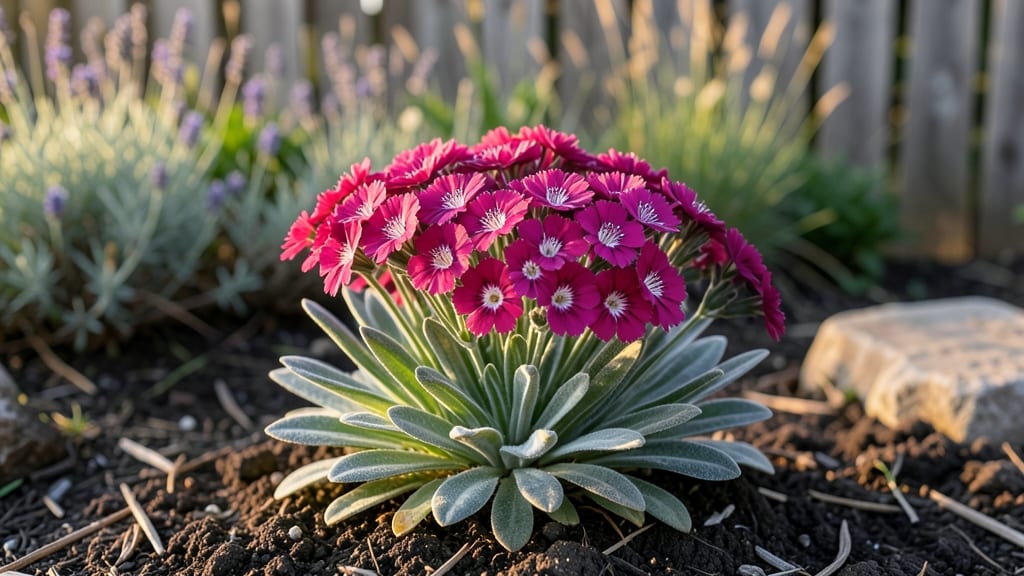
Reviving cut dianthus stems in water unlocks their boldest blooms—Green Trick dianthus included. ✨ I’ve watched limp stems transform into vibrant, fragrant clusters just by following this simple water trick, and it works every time.
The secret lies in timing, light, and a few unexpected care tweaks that most gardeners overlook.
This variety stands out with its green-tinted petals and sweet clove-like scent, but it needs the right conditions to shine. Plant in well-draining soil with full sun to partial shade, and keep the roots moist but never soggy.
The real magic happens when you snip stems just before they fully open—those cuttings will regrow in water with surprising vigor.
By the end of two weeks, you’ll have full, lush blooms that last longer than store-bought flowers. The plants thrive in borders, containers, or even as cut flowers, and their drought tolerance makes them perfect for low-maintenance gardens. Pair them with lavender or thyme for a fragrant, long-lasting display.
Whether you’re growing in pots or garden beds, this technique works year-round in zones 4-9. The key is patience—let those stems root in water first, and you’ll get second (and third!) flushes of blooms all season. Ready to try it?
📚 In This Guide
- What you need
- Instructions
- Tips and common mistakes
- Wrapping up and next steps
What you need
- ● Cut Dianthus stems: 3–5 healthy, fresh stems (about 6–8 inches long) with at least 2–3 sets of leaves.
- ● Clean, room-temperature water: 1–2 cups (fill a clear glass or vase halfway).
- ○ Floral preservative (optional but recommended): 1 packet (or 1 tsp homemade mix: 1 tbsp sugar + 2 drops bleach per quart of water).
- ● Sharp scissors or pruning shears: Sterilized to avoid bacterial contamination.
- ● Clear glass or vase: Wide-mouth (4–6 inches in diameter) for easy stem access.
- ● Newspaper or paper towels: To dry stems before trimming.
- ● Rubbing alcohol (70%+) or hydrogen peroxide: For sterilizing tools (wipe before/after use).
- ● Pencil or marker: To label your vase if testing different solutions.
- ● Indirect sunlight: Place near a bright window (avoid direct midday sun to prevent overheating).
- ● Cool room temperature: Ideal range: 60–70°F (15–21°C).
- ○ Humidity-friendly spot: Group stems with other cut flowers or use a humidity dome (optional).
- ● 🌿 Acidifier: 1 drop of white vinegar per quart of water (helps prevent bacterial growth).
- ● 💧 Spray bottle: For misting leaves to maintain hydration.
- ● 🎨 Decorative stones or pebbles: Place in the vase to weigh down stems and add flair.
Step-by-Step instructions for reviving green trick Dianthus in water
Here’s how to coax vibrant blooms from cut stems—no soil required.
💧 Step 1: Prepare the Vase and Water
Start with a clean glass vase (or any clear container) and fill it with room-temperature water—never cold, as it shocks the stems. I like to add a few drops of floral preservative (like those for cut flowers) to the water, but it’s not mandatory. The preservative helps prevent bacterial growth, which can cloud the water and shorten vase life.
Trim the stems at a 45-degree angle just below a leaf node—this increases surface area for water absorption. Use sharp scissors or pruning shears to avoid crushing the stems. Place the stems in the vase immediately after cutting to prevent air bubbles from blocking water uptake. You’ll see tiny bubbles form at the cut ends, which is normal and indicates the stems are actively drinking.
☀️ Step 2: Position for Optimal Light and Airflow
Dianthus thrives in bright, indirect light—think of it as a mix of morning sun and afternoon shade. A south-facing window works well, but avoid harsh midday rays, which can scorch the petals. If your space lacks natural light, supplement with a grow light placed 6-12 inches away for 12-14 hours daily. Too little light causes stems to stretch and flowers to stay small.
Place the vase in a spot with good airflow but no drafts—like near an open window or under a ceiling fan on low. Stagnant air encourages mold, which appears as fuzzy gray spots on the stems or leaves. If you notice this, trim the affected areas immediately and refresh the water. The goal is to mimic the plant’s natural environment without stressing it.
🌱 Step 3: Refresh Water and Monitor Growth
Change the water every 2-3 days to keep it fresh and oxygenated. I like to use a small spray bottle to mist the stems lightly before re-cutting them—this removes any debris that might block water uptake. Re-cut the stems at the same 45-degree angle each time to expose fresh cells for hydration. You’ll see the stems perk up within 24 hours of a water change, and new buds will unfurl within 3-5 days.
Watch for drooping leaves or wilting petals—this is your cue to check the water level or angle of the cut. If the stems look mushy or discolored, they’ve absorbed too much water and may rot. In this case, trim the bad sections and recut the healthy parts. Healthy stems should feel firm to the touch and stand upright without support. With proper care, your Dianthus will bloom for 1-2 weeks in water before needing a soil transplant.
✂️ Step 4: Transition to Soil (Optional)
If you want to extend the life of your Dianthus, transplant it to soil after 7-10 days in water. Choose a well-draining potting mix and a pot with drainage holes—Dianthus hates soggy roots. Gently remove the stems from the vase and loosen any tangled roots with your fingers. Plant them 1 inch deep, firming the soil lightly around the base to eliminate air pockets.
Water lightly after transplanting and place the pot in bright, indirect light for a week to help it adjust. Avoid fertilizing for the first 2 weeks—the plant is still recovering from its cut-stem phase. You’ll know it’s thriving when new growth appears at the base of the stems. This method works best in spring or early fall, when temperatures are mild and humidity is moderate.
Tips & tricks for reviving Dianthus stems
Here's what I learned after experimenting with dozens of cuttings—these tricks make all the difference between wilted stems and showstopping blooms.
Angle Precision: That 45-degree cut in Step 1 isn't just about looks—it's about survival. The larger surface area lets stems drink up to 30% more water than a straight cut. I use a ruler to mark my scissors at 45 degrees before each batch. Look for the leaf node (where leaves grow out) and cut just below it—this is where new roots will sprout if you transplant later. The tiny bubbles you'll see at the cut ends? That's proof they're actively hydrating.
Lighting Strategy: The 12-14 hours of light in Step 2 is non-negotiable for Dianthus. I've found that placing stems near a west-facing window gives them the perfect balance of morning sun and afternoon shade. If using artificial light, position the grow light 8-10 inches away for the first 3 days to avoid shocking the stems. Watch for leaves turning pale green—this means they're getting too much light. Rotate the vase daily so all sides get even exposure, preventing lopsided growth.
Water Refresh Ritual: The 2-3 day water change schedule in Step 3 works wonders, but here's my pro move: I add 1/4 teaspoon of sugar to each quart of water. This tiny amount provides quick energy for the stems while they regenerate. After 3 days, I completely replace the water with fresh room-temperature water. The 24-hour perk-up time is real—you'll notice stems standing taller and leaves unfurling within that window. For stubborn stems, I give them a 10-second soak in warm water before re-cutting.
Transplant Timing: The 7-10 day window for soil transition in Step 4 is ideal, but I've had success with stems that spent up to 14 days in water—just monitor for root development first. When transplanting, I make sure to remove any leaves that would end up below soil level, as they'll rot. The 1-inch planting depth is crucial—any deeper and stems may suffocate, any shallower and they won't anchor properly. I always water lightly after transplanting to settle the soil without shocking the plant.
Pro Tips for Green Trick Dianthus
- Here's what I learned after experimenting with dozens of cuttings—these tricks make all the difference between wilted stems and showstopping blooms.
- Angle Precision: That 45-degree cut in Step 1 isn't just about looks—it's about survival.
- Lighting Strategy: The 12-14 hours of light in Step 2 is non-negotiable for Dianthus.
Frequently asked questions
Got questions about reviving Green Trick Dianthus cuttings in water? You’re not alone!
Here are the most common concerns—plus quick, actionable answers to keep your blooms thriving.
Can I root Green Trick Dianthus in water long-term?
While it’s possible to root cuttings in water for weeks, it’s not ideal long-term. Roots grown in water can become weak and prone to rot. Once roots reach 1–2 inches, transplant to well-draining soil within 1–2 weeks for stronger growth. Use a rooting hormone to boost success!
How long does it take for Green Trick Dianthus cuttings to root in water?
Patience is key! Most cuttings develop tiny white roots in 2–3 weeks, with noticeable growth in 4–6 weeks. Keep the water lukewarm (not cold) and change it every 3–4 days to prevent bacterial buildup. A sunny windowsill speeds up the process!
Why are my Green Trick Dianthus leaves turning yellow or mushy?
Yellow or mushy leaves usually signal overwatering or rot. Check for:
- Cloudy water: Dump it and refresh with fresh, room-temperature water.
- Brown stems: Trim the damaged part and replant in soil ASAP.
- No new growth: Boost light exposure or add a houseplant fertilizer (diluted to ¼ strength).
What’s the best alternative if water rooting fails?
No stress—try the soil method instead! Dip cuttings in rooting hormone, plant in a mix of perlite + peat moss, and keep the soil moist (not soggy). Cover with a plastic bag to trap humidity, and place in bright, indirect light. Roots often form in 3–4 weeks!
Can I revive Green Trick Dianthus cuttings in winter?
Winter slows growth, but with adjustments, it’s doable. Use a grow light for 12+ hours/day, keep water warm (not icy), and avoid drafts. If roots stall, try a heat mat under the container. Patience pays off—winter-rooted cuttings often bloom earlier in spring!
Pro tip: Label your cuttings with the date—tracking progress helps you adjust care faster!
Wrapping up and next steps
Growing Green Trick Dianthus from cut stems is a rewarding way to bring vibrant blooms into your garden—or even your kitchen table! 🌿 With just a few simple steps, you can revive those wilting stems and enjoy their cheerful, long-lasting flowers.
Whether you’re a seasoned gardener or just starting out, this method is a fun and easy way to green up your space without breaking the bank.
Ready to give it a try? Start with a single stem today—you’ll be amazed at how quickly those petals perk up and transform your home (or garden) with color! 🌸