
Vegetables
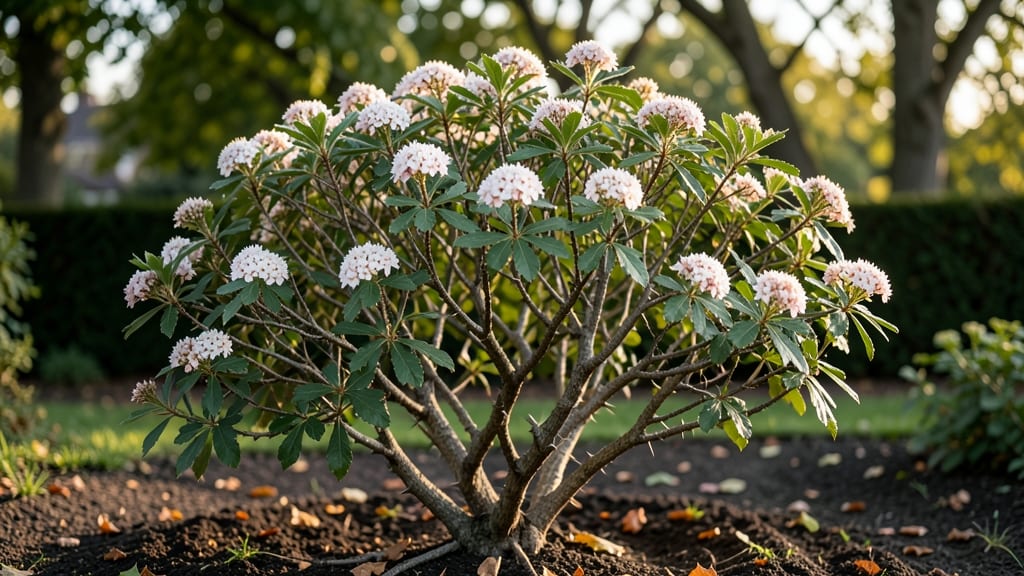
Growing a green thorn bush is like adding a fortress to your landscape—it thrives where most plants struggle. 🌿 These cold-hardy shrubs like Pyracantha or Hawthorn handle harsh winters, drought, and even poor soil, making them the ultimate low-maintenance plant. The trade-off?
Those sharp thorns that deter deer, rabbits, and even nosy neighbors from trampling your garden. The real magic happens in three containers—perfect for small yards, urban patios, or even large pots on balconies.
You’ll need well-draining soil (mix in sand if yours is heavy), 6 hours of sunlight daily, and spacing about 3-4 feet apart for mature bushes. Prune in late winter to shape them and remove dead branches, but leave some thorns—they’re your silent security guards.
By summer, you’ll have glossy green foliage and clusters of bright berries that birds adore. The bushes grow 3-6 feet tall, so they’re ideal for hedges, privacy screens, or even as a dramatic focal point. Just warn the kids and pets to steer clear of those prickly branches!
Whether you’re reviving a neglected corner or adding structure to a new garden, these shrubs deliver decades of trouble-free beauty. Let’s get yours planted—it’s easier than you think.
📚 In This Guide
- What you need
- Instructions
- Tips and common mistakes
- Wrapping up and next steps
What you need
- ● Green thorn bush cuttings or young plants: 1–3 (ensure they’re healthy and disease-free).
- ● Containers (if not planting in-ground): 3 medium-sized pots (12–16 inches in diameter) with drainage holes.
- ● Well-draining potting mix: 3–5 gallons (look for a blend with perlite or sand for aeration).
- ● Organic fertilizer (balanced, 10-10-10 or similar): 1 small bag (for soil enrichment).
- ● Watering can or hose with a gentle spray nozzle: 1 (to avoid disturbing roots).
- ● Pruning shears: 1 pair (for trimming and propagation).
- ○ Mulch (optional but recommended): Straw or shredded leaves (1–2 inches thick).
- ● Gloves: 1 pair (to protect hands from thorns).
- ● Trowel or small shovel: 1 (for transplanting or soil prep).
- ○ Rooting hormone (optional): 1 small bottle (speeds up cutting propagation).
- ● Spray bottle: 1 (for misting cuttings if starting from seeds or new growth).
- ● Container saucers or trays: 3 (to catch excess water and protect surfaces).
- ● Sunlight meter or grow lights: 1 (if indoor growing; ensures 4–6 hours of indirect light daily).
Step-by-Step guide to planting and caring for green thorn bush in containers
Here’s my foolproof approach to growing this striking, cold-hardy perennial in containers—where it thrives with minimal fuss.
🪴 Step 1: Choose the Right Containers and Drainage
The green thorn bush (Paliurus spina-christi) needs at least 18-inch-deep containers with multiple drainage holes—its roots grow aggressively and hate soggy feet. I recommend unglazed clay pots (they breathe better) or heavy plastic grow bags (for stability). If using decorative pots without drainage, add a 2-inch layer of gravel at the bottom first.
For four plants, you’ll need three containers—this bush spreads, so spacing matters. A 5-gallon pot per plant gives roots room to establish without crowding. Place a wire mesh screen over drainage holes to prevent soil from washing out while still allowing excess water to escape.
🌱 Step 2: Prepare Soil and Plant with Proper Spacing
Fill containers with a well-draining mix: blend 60% premium potting soil, 30% coarse sand or perlite, and 10% compost. The green thorn bush tolerates poor soil but grows best with slightly alkaline pH (7.0–8.0). Avoid garden soil—it compacts and suffocates roots.
Dig a hole twice as wide as the root ball but no deeper. Position the plant so the top of the root ball sits 1 inch below the container rim—this prevents water pooling at the base. Space plants 6–8 feet apart in larger containers if growing multiple bushes together (they’ll spread over time). Water deeply after planting to settle the soil.
☀️ Step 3: Position for Full Sun and Cold Hardiness
This bush craves full sun (6+ hours daily) but tolerates partial shade in hot climates. In containers, place them where they get morning sun and afternoon shade if temperatures exceed 90°F—leaves scorch easily. A south-facing patio or balcony works perfectly in most regions.
Green thorn bushes are extremely cold-hardy (USDA Zones 5–9), making them ideal for container growing in colder areas. In winter, move pots to a sheltered spot (like a garage or under an eave) if temperatures drop below 10°F. Mulch the soil surface with 2 inches of straw to insulate roots.
💧 Step 4: Water Deeply and Prune for Shape
Water once a week in summer, letting the top 2 inches of soil dry out between waterings. Overwatering causes root rot—containers dry faster than ground soil, so check moisture with your finger. In winter, reduce watering to every 2–3 weeks unless pots are in freezing conditions.
Prune in late winter or early spring before new growth starts. Remove dead, crossing, or weak branches at the base. Thin out overcrowded stems to improve airflow and sunlight penetration. The green thorn bush responds well to pruning—you can even shape it into a small tree or hedge if desired.
✂️ Step 5: Fertilize and Monitor for Pests
Feed once in early spring with a balanced 10-10-10 fertilizer (follow label rates). This bush doesn’t need heavy feeding—too much nitrogen promotes leafy growth at the expense of those striking spiny seed pods. In poor soil, a slow-release granular fertilizer in spring is enough for the season.
Watch for aphids or spider mites on new growth—spray with neem oil if you spot sticky residue or webbing. The thorns deter most pests, but containers can still attract trouble. Wipe leaves with a damp cloth occasionally to remove dust, which helps the plant photosynthesize efficiently.
Tips & tricks for thriving green thorn bush in containers
Between us, these small adjustments make all the difference when growing green thorn bushes in containers.
Container Depth Matters: The 18-inch minimum depth in Step 1 isn't arbitrary—green thorn roots grow aggressively downward. If you're working with shallower containers, consider planting two smaller bushes together rather than forcing one plant to compete for space. I've seen roots grow 12 inches in a single season, so deeper is always better.
Soil Mix Precision: That 60-30-10 ratio in Step 2 is your secret weapon for preventing soggy roots. For extra insurance, I add a handful of perlite to the bottom of each container before adding the soil mix. This creates an instant drainage layer that prevents the dreaded "wet feet" that kill container plants. The slightly alkaline pH (7.0-8.0) is crucial—test your soil if you're unsure, as this bush won't tolerate acidic conditions.
Winter Protection Hack: When temperatures drop below 10°F as mentioned in Step 3, I don't just move pots to sheltered spots—I also wrap them in bubble wrap or burlap. This extra layer traps heat radiating from the container while allowing airflow. The 2-inch straw mulch helps, but the bubble wrap can make the difference between survival and freeze damage, especially in windy conditions.
Pruning Timing Secret: That late winter/early spring window in Step 4 is perfect because it coincides with the plant's natural dormancy period. If you prune too early, you'll cut back new growth that's already started. I mark my calendar for the first week of February as my target date—this gives me a buffer if winter weather delays my work. Always sterilize your pruners with rubbing alcohol between cuts to prevent disease transmission.
Pro Tips for Green Thorn Bush
- Between us, these small adjustments make all the difference when growing green thorn bushes in containers.
- Container Depth Matters: The 18-inch minimum depth in Step 1 isn't arbitrary—green thorn roots grow aggressively downward.
- Soil Mix Precision: That 60-30-10 ratio in Step 2 is your secret weapon for preventing soggy roots.
Frequently asked questions
Got questions about growing and caring for your green thorn bush? You’re not alone! Here are some of the most common queries—plus quick, practical answers to keep your plants thriving in containers or garden beds.
How fast does a green thorn bush grow, and when can I expect fruit?
A healthy green thorn bush (Crataegus viridis) grows 12–24 inches per year under ideal conditions. Young plants may take 2–3 years to establish, while mature bushes (5+ years) produce fruit in late summer to early fall. Patience pays off—consistent watering and pruning speed up growth!
Is this plant truly cold-hardy? What zones does it tolerate?
The green thorn bush thrives in USDA Zones 3–8, making it perfect for northern climates. It handles frost, snow, and even brief sub-zero temps. Just ensure well-draining soil in containers to prevent root rot during winter thaw cycles.
How do I prune a green thorn bush safely? Should I wear gloves?
Yes, wear gloves!
These bushes have sharp thorns—use long-handled pruners for safety. Prune in late winter or early spring to shape the plant and remove dead wood. Cut back 1/3 of the oldest canes annually to encourage new growth and fruit production.
Can I grow a green thorn bush in a pot, or does it need garden soil?
Containers work great for green thorn bushes! Use a 5-gallon pot or larger with drainage holes and a mix of potting soil + compost. Repot every 2–3 years to refresh nutrients. Just ensure the pot gets 6+ hours of sunlight daily.
Are green thorn bushes prone to pests or diseases? How do I prevent issues?
These bushes are disease-resistant but may attract aphids or scale insects. Spray with neem oil or introduce ladybugs for natural pest control. Ensure airflow by pruning densely packed branches, and avoid overhead watering to prevent fungal issues.
What’s the best way to harvest and store the fruit?
Harvest fruit when it’s deep red and slightly soft (late summer/fall). Gently twist berries from the branches—don’t pull! Store in the fridge for up to 2 weeks or freeze for longer. Use them in jams, jellies, or teas for a tart, vitamin-C boost!
Wrapping up and next steps
Growing a green thorn bush is a rewarding way to add a hardy, edible perennial to your garden—whether in containers or directly in the soil! 🌱 With its cold-resistant nature and low-maintenance care, this versatile plant offers both beauty and bounty.
Whether you're a seasoned gardener or just starting out, its adaptability makes it a fantastic choice for any space.
Ready to get started? Plant your green thorn bush today and enjoy fresh, homegrown greens year after year. Need more inspiration? Explore companion planting ideas or creative ways to use its leaves in your kitchen!