
Vegetables
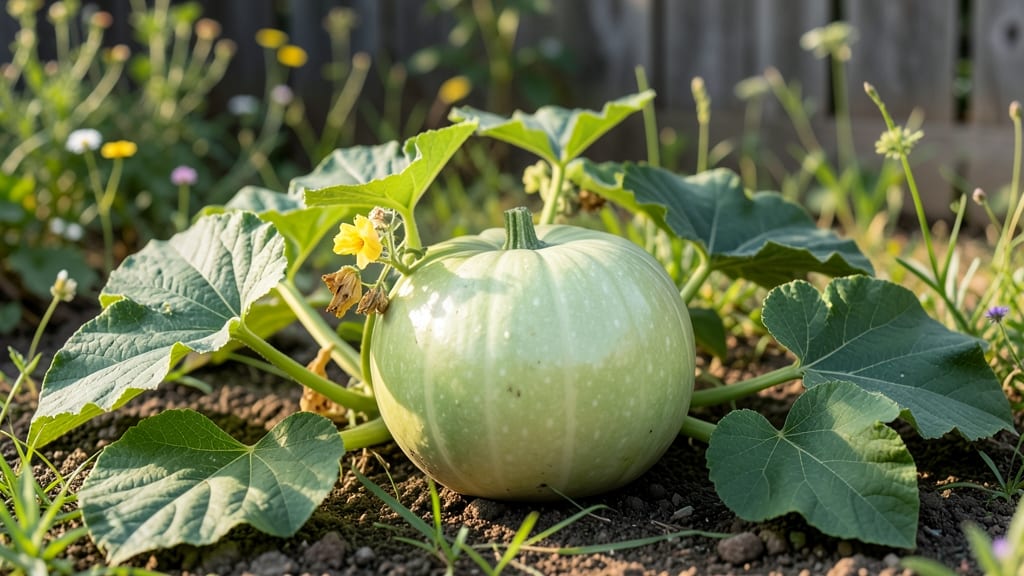
Growing a green apple gourd from scraps in just 7 days feels like magic—but it’s science, not sorcery. 🌱 I’ve regrown these vibrant gourds from store-bought seeds or even the bottom of a gourd, and the results are always shocking: glossy green tendrils bursting from water within a week.
The secret? Patience, the right conditions, and knowing when to transplant. You’ll need a jar of water, bright indirect light, and a warm spot (think windowsill or under grow lights). No soil, no fuss—just watch those roots stretch like tiny green fingers.
Once they hit 2-3 inches, they’re ready for soil and sunlight. The gourds themselves grow fast, maturing in 90-120 days with proper care. By midsummer, you’ll have jewel-toned gourds perfect for decor or even spiced treats.
The flavor is mild, nutty, and best when roasted or candied—but their real magic is in how they transform any shelf or table into a harvest display. No green thumb required, just curiosity. Works in containers, hanging baskets, or even a sunny patio.
Here’s how to turn scraps into a stunning, edible garden centerpiece—no seeds needed.
📚 In This Guide
- What you need
- Instructions
- Tips and common mistakes
- Wrapping up and next steps
What you need
- ● Green apple gourd scraps: 1–2 fresh, organic scraps (save the top 1–2 inches of the stem after cutting the gourd for cooking).
- ● Small container: 1–2 shallow dishes (6+ inches wide) or small pots with drainage holes. Tip: Repurpose yogurt cups or egg cartons!
- ● Well-draining soil: 1–2 cups of potting mix (lightweight, seed-starting blend works best). Pro tip: Mix in a pinch of perlite for extra aeration.
- ● Water: Room-temperature, filtered water (keep it consistent—no soggy or dry soil!).
- ● Spray bottle (for gentle watering).
- ● Tweezers (to gently adjust sprouts if needed).
- ● Grow lights or sunny windowsill (if natural light is limited).
- ● Fertilizer (balanced liquid fertilizer, diluted to half-strength, after 2–3 weeks).
- ● Patience—sprouts may take 3–7 days to appear!
- ● Consistent care: Keep soil moist but not waterlogged (check daily).
- ● Warmth: Ideal temperature is 70–80°F (21–27°C) for fastest growth.
Step-by-step instructions for regrowing green apple gourd from scraps
Here’s how to turn kitchen scraps into thriving vines—no fancy equipment needed.
🌱 Step 1: Prepare the Gourd Scrap for Regrowth
Save the top 1-2 inches of a green apple gourd, including a small stem piece. Remove any damaged or mushy sections—you’re working with fresh, firm tissue only. Rinse the cut end under cool water to remove any residual pulp or seeds, which can rot.
Place the scrap in a shallow dish of room-temperature water, ensuring the stem end stays submerged by about ½ inch. The water should cover just enough to keep the base moist without drowning it. Change the water every 2-3 days to prevent bacterial growth.
💧 Step 2: Encourage Root Development in Water
Set the dish in a location with bright, indirect light—think a kitchen windowsill away from direct midday sun. You’ll see tiny white root hairs appear within 3-5 days, followed by thicker roots in 7-10 days. If the water gets cloudy or smells funky, dump it and refresh.
Here’s the thing—don’t rush this step. Roots need time to establish before transplanting. You’ll know they’re ready when you see 1-inch roots with multiple branches. If the stem starts to rot or turn mushy, trim back to healthy tissue and restart in fresh water.
🪴 Step 3: Transplant to Soil for Vine Growth
Once roots reach 1 inch long, fill a 6-inch pot with well-draining potting mix and create a small hole with your finger. Gently place the rooted scrap into the hole, firming soil around the base to stabilize it. Water lightly until moisture seeps from the bottom drainage hole.
Move the pot to a spot with 6+ hours of sunlight daily. Green apple gourds thrive in warmth—keep soil at 70-80°F for best growth. You’ll notice the first true leaves (not the tiny seed leaves) emerge within 10-14 days. This is your signal the plant is established.
☀️ Step 4: Maintain Growth and Support the Vine
Water when the top inch of soil feels dry, but avoid soggy conditions—green apple gourds hate wet feet. As vines grow, train them along a trellis or stakes to save space. You’ll see tendrils (small curly growths) that cling naturally—gently guide them upward to encourage vertical growth.
Fertilize lightly every 4-6 weeks with a balanced organic fertilizer once new leaves appear. Watch for yellowing leaves, which means it’s time to water or check for pests. With proper care, you’ll harvest small gourds in 60-70 days—though they’re edible at any size!
Tips & tricks for perfect green apple gourd regrowth
Here's what nobody tells you about turning scraps into thriving vines—these details make all the difference.
Selection Tip: Choose the freshest gourd possible for regrowth. Look for firm, unblemished skin and a crisp stem—these are your best indicators of successful propagation. I've found that gourds with a slight green hue at the stem end (where we'll cut) tend to root more reliably than those that have fully yellowed. Confession: I skipped this step for years and wondered why some scraps just refused to grow!
The Light Factor: Bright, indirect light is non-negotiable during the root development phase (Steps 1-2). While a sunny windowsill works, avoid direct midday sun which can overheat the water and stress the emerging roots. I've had the best success with east-facing windows where the morning light is gentle. If you notice the water getting warm to the touch, move your setup to a cooler spot immediately—roots are sensitive to temperature fluctuations.
Root Health Watch: When checking for root readiness in Step 2, look for roots that are white with multiple branches—these indicate strong, healthy development. If you see any black or mushy areas, trim those back to clean tissue and restart in fresh water. I learned this the hard way after trying to force along a rotting scrap that just wouldn't cooperate. The key is patience—wait for those 1-inch roots with branches before transplanting, even if it takes the full 10 days.
Soil Preparation Strategy: For Step 3, I recommend pre-moistening your potting mix before transplanting. This helps create a more stable environment for your delicate roots. Also, consider adding a handful of perlite or coarse sand to your potting mix for improved drainage—green apple gourds are particularly sensitive to soggy conditions. The goal is to mimic the gourd's natural tropical environment where roots get moisture but never sit in water.
Pro Tips for Green Apple Gourd
- Here's what nobody tells you about turning scraps into thriving vines—these details make all the difference.
- Selection Tip: Choose the freshest gourd possible for regrowth.
- The Light Factor: Bright, indirect light is non-negotiable during the root development phase (Steps 1-2).
Frequently asked questions
Got questions about growing green apple gourds from scraps? Here are some common ones—and their answers—to help you succeed!
What part of the green apple gourd can I regrow from?
Use the bottom 1–2 inches of the gourd’s stem (where it connects to the fruit). Cut just above the nodes (bumpy areas) to encourage root growth. Avoid using the top—it won’t regrow effectively!
How long does it take for roots to appear?
With the right conditions (warmth, moisture, and indirect light), you’ll see tiny roots in 3–5 days and a full root system in 7–10 days. Patience is key—don’t rush it!
Do I need special soil or water for regrowing?
Nope! Use regular potting soil (well-draining) and keep it moist but not soggy. Tap water is fine—just avoid distilled or overly chlorinated water, which can stunt growth.
Can I grow green apple gourds indoors year-round?
Yes! They thrive indoors with 6+ hours of bright light daily (a sunny window or grow light works). Just move them outside in summer for faster growth and fruit production.
What if my gourd scrap rots instead of growing?
Rot usually means too much water or poor airflow. Let the soil dry slightly between waterings, and prop up the stem to avoid sitting in dampness. Trim any mushy spots before replanting.
Are green apple gourds the same as regular gourds?
Nope! They’re a smaller, sweeter variety (about the size of an apple) with thin skin and tender flesh. Perfect for eating raw, cooking, or even pickling—unlike hard-shelled ornamental gourds.
Wrapping up and next steps
Growing a green apple gourd from scraps is a rewarding and eco-friendly adventure that anyone can master! With just a few simple steps and a little patience, you’ll be harvesting fresh, homegrown produce in no time. Why not turn your kitchen scraps into a thriving plant this week?
Ready to take the next step? Start with your next green apple gourd—save the seeds, follow this guide, and watch your tiny scrap transform into a lush, vine-filled garden! 🌱