
Vegetables
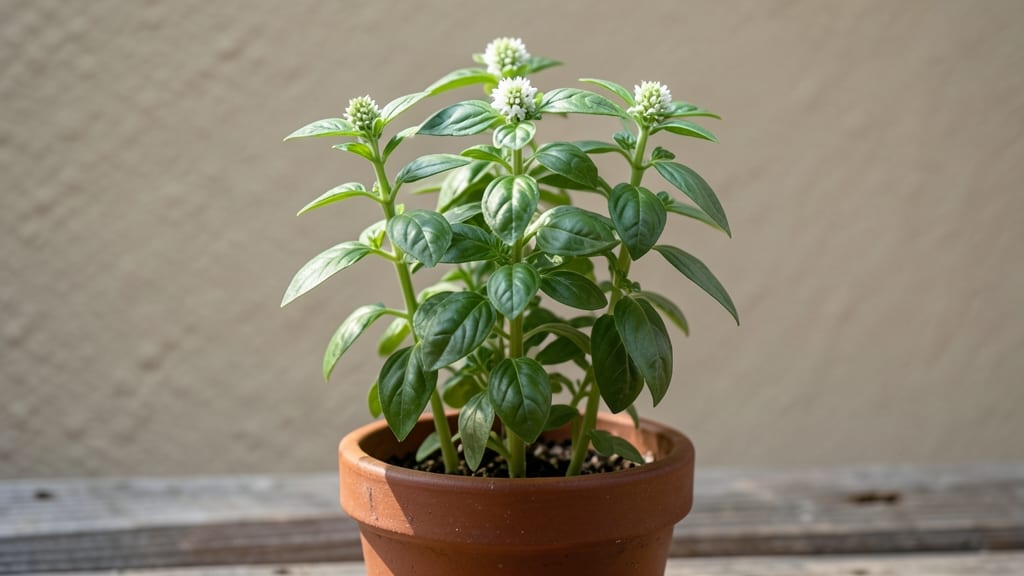
My Greek columnar basil plant nearly toppled over in last summer's heat—until I discovered its secret weapon: those thick, upright stems that regrow faster than weeds. 🌱 Unlike floppy basil varieties, this compact powerhouse stays tidy while producing leaf after leaf, even from scraps you'd normally toss.
The magic happens with bright light, well-draining soil, and regular pruning to encourage that signature columnar shape.
I've grown it in pots, garden beds, and even indoors near a sunny window—each time, the stems stay sturdy enough to support their own weight, while the leaves stay fragrant and productive for weeks longer than other basils.
By mid-July, my plants were yielding enough leaves for pesto every week, with minimal maintenance. The key is keeping stems upright (they lean if crowded) and harvesting consistently to prevent flowering, which turns leaves bitter faster than you can say "pesto night."
Works in containers or garden beds, thrives in heat, and forgives occasional neglect—perfect for busy gardeners who want basil that actually stays upright. Here's how to grow yours without the flop.
📚 In This Guide
- What you need
- Instructions
- Tips and common mistakes
- Wrapping up and next steps
What you need
- ● Greek Columnar Basil Seeds or Starter Plant: Seeds: 1 packet (50-100 seeds) or 2-3 seeds per pot for direct sowing
- ● OR 1 healthy starter plant from a nursery or garden center
- ● Containers: 1-2 6-inch diameter pots (for starters) or a 12-inch pot (for mature plants)
- ● Drainage holes are a must to prevent root rot!
- ● Potting Soil: 1 bag of well-draining potting mix (avoid garden soil—it’s too dense!)
- ○ Optional: Mix in perlite or vermiculite (10-20%) for extra aeration
- ● Watering Can or Spray Bottle: For gentle, bottom-watering (prevents leaf damage)
- ● Pruning Shears or Clean Scissors: For harvesting and propagating (sterilize with rubbing alcohol!)
- ○ Gloves (Optional): To protect hands from soil and thorns (yes, basil has tiny ones!)
- ● Sunlight Access: 6+ hours of direct sunlight daily (south-facing window or grow lights)
- ○ Fertilizer (Optional but Helpful): Balanced liquid fertilizer (10-10-10) or compost tea (dilute to half-strength)
- ● Apply every 4-6 weeks during growing season
- ● Support (For Tall Varieties): Small stakes or trellis (if stems exceed 12 inches)
Step-by-Step guide to growing Greek Columnar basil from scraps
Here's how to propagate sturdy, upright basil plants that keep producing all season.
🌱 Step 1: Select and Prepare Your Basil Scraps
Choose healthy stems with at least 3-4 leaves and a visible node where leaves meet the stem. The thicker the stem, the stronger your new plant will be. Cut just below a node with clean, sharp scissors—this is where roots will emerge. I always use the top 4-6 inches of a stem, as these sections contain the most growth hormones.
Remove the lower leaves, leaving just the top pair intact. This prevents them from rotting in water while the roots develop. Rinse the cut end under cool water to remove any sap or debris, then let it air-dry for 10-15 minutes. This step is crucial—it prevents bacterial growth in the water.
💧 Step 2: Root in Water Until Roots Appear
Fill a clean glass or jar with 2-3 inches of room-temperature water. Place the prepared stem in the water, ensuring the node (where leaves were removed) is submerged but the remaining leaves stay dry. I like to use a clear container so I can watch the roots form—it's oddly satisfying seeing them grow!
Change the water every 2-3 days to prevent bacteria and algae. Keep the container in a spot with bright, indirect light (like an east-facing window). Roots typically appear in 1-2 weeks, but some stubborn stems take 3 weeks. You'll know it's ready when roots are 1-2 inches long and bushy.
✂️ Step 3: Plant in Soil and Provide Support
Fill a 6-inch pot with well-draining potting mix. Make a small hole with your finger and gently place the rooted stem in, burying the roots but keeping the leaves above soil level. Press the soil lightly around the stem, then water gently until it drains from the bottom. Greek Columnar basil grows tall and leggy, so I always add a 3-foot bamboo stake right away to support its upright growth.
Place the pot in a location with 6+ hours of sunlight daily. If you're using artificial light, keep it 6-8 inches away from a grow light for 12-14 hours per day. You'll notice new leaves forming within 2-3 weeks—this means the plant has successfully transitioned from water to soil.
☀️ Step 4: Maintain Growth with Pruning and Care
Water when the top 1 inch of soil feels dry to the touch, but never let the soil stay soggy. Greek Columnar basil needs consistent moisture but hates wet feet. Pinch off the top set of leaves when the plant reaches 6 inches tall to encourage bushier growth. This might seem counterintuitive, but it triggers the plant to branch out instead of growing just one long stem.
Fertilize every 4-6 weeks with a balanced liquid fertilizer (like 10-10-10) diluted to half-strength. You'll know it's thriving when it produces long, upright stems with dark green leaves. Harvest leaves regularly from the top to encourage more growth—just avoid cutting more than 1/3 of the plant at once.
Tips & tricks for growing sturdy Greek Columnar basil plants
Here's what I learned after propagating dozens of these striking plants—simple tricks that make all the difference.
Selection Matters: In Step 1, focus on stems with visible nodes that are at least pencil-thick. I've found thicker stems (about the diameter of a dime) produce roots twice as fast as thinner ones. Avoid stems with yellowing leaves or soft spots—they won't survive the propagation process. The top 4-6 inches is perfect because this section contains the highest concentration of growth hormones needed for root development.
Water Quality Tip: For Step 2, use filtered or distilled water if possible—tap water can contain chlorine or fluoride that inhibits root growth. If you must use tap water, let it sit uncovered in the container for 24 hours before adding your basil stem to allow chlorine to dissipate. Changing the water every 2-3 days prevents bacterial buildup, but don't overdo it—frequent changes can shock the developing roots.
Lighting Hack: When setting up your propagation station, place the container near an east-facing window for the first week. East light is bright but not scorching, giving your stems time to adjust. After roots appear, you can move to a south-facing window for more intense light. If using artificial grow lights, keep them 6-8 inches away—closer distances can burn delicate new growth while you're waiting for those 1-2 inch roots to develop.
Transplanting Secret: In Step 3, when planting your rooted cuttings, gently squeeze the soil around the stem to eliminate air pockets. This creates better contact between roots and soil, helping the plant establish faster. The 3-foot bamboo stake isn't just for looks—it prevents the leggy growth habit of Greek Columnar basil from toppling over, especially when you start harvesting leaves regularly.
Pro Tips for Greek Columnar Basil Plant
- Here's what I learned after propagating dozens of these striking plants—simple tricks that make all the difference.
- Selection Matters: In Step 1, focus on stems with visible nodes that are at least pencil-thick.
- Water Quality Tip: For Step 2, use filtered or distilled water if possible—tap water can contain chlorine or fluoride that inhibits root growth.
Frequently asked questions
How long does it take for Greek Columnar Basil to regrow from cuttings?
With the right conditions, you’ll see new growth within 1–2 weeks! Keep cuttings in water with fresh leaves submerged, and place them in bright, indirect light. Once roots form (about 10–14 days), transplant to soil. Pro tip: Use rooting hormone for faster results!
Can I grow Greek Columnar Basil indoors, and what’s the best setup?
Place your plant near a south-facing window or under grow lights (12–16 hours/day). Use well-draining pots (6+ inches deep) and a lightweight potting mix. Avoid drafts—basil hates cold air! For extra height, prune stems to encourage bushier growth.
Why are my basil leaves turning yellow or crispy?
Yellow leaves often signal overwatering or nutrient deficiency. Let the top inch of soil dry out between waterings, and fertilize every 4–6 weeks with a balanced liquid fertilizer. Crispy edges? Low humidity or underwatering—mist leaves or use a pebble tray.
What’s the best way to harvest Greek Columnar Basil without killing the plant?
Always snip just above a leaf node (where leaves meet the stem) to encourage regrowth. Avoid cutting more than ⅓ of the plant at once, and focus on the top 3–4 inches for a bushier shape. Bonus: Harvest in the morning for the freshest flavor!
Are there any alternatives to Greek Columnar Basil for beginners?
If you’re new to growing basil, try Genovese or Sweet Basil—they’re just as resilient but slightly easier to find. For a taller, columnar look, Spicy Globe Basil is a great substitute. All thrive in similar conditions!
Wrapping up and next steps
The Greek Columnar Basil isn’t just a resilient plant—it’s a gardener’s dream come true! With its ability to regrow from scraps in weeks and sturdy, upright stems, it’s perfect for both beginners and green thumbs alike.
Whether you’re growing it in pots or your garden, this basil variety rewards patience with abundant, flavorful leaves and easy propagation.
Ready to dive in? Start by saving a few scraps from your next harvest and give this hardy herb a try. Who knows—you might just discover a new favorite way to grow and enjoy basil! 🌱