
Vegetables
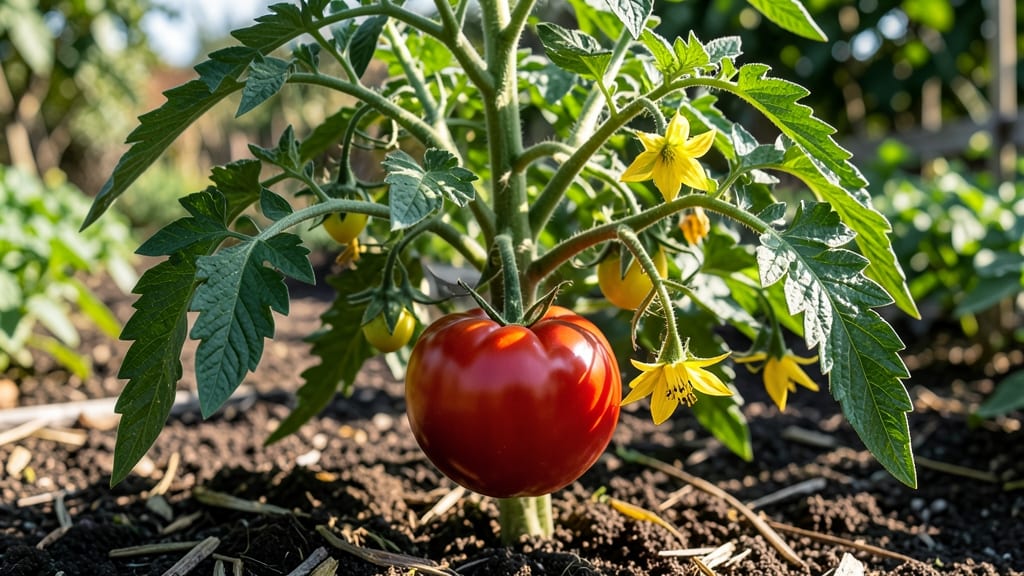
Genuwine Beefsteak tomatoes are the juicy, meaty giants of the garden—each slice packed with 80% more juice than store-bought varieties. 🌱 I grew my first plant last summer, and the difference in flavor was shocking.
These heirlooms aren’t just bigger; they’re sweeter, more complex, and worth every extra inch of space they demand. The key to success starts with rich, well-draining soil mixed with compost. Unlike smaller tomatoes, Beefsteaks need deep roots and plenty of nutrients to support their massive fruit.
Plant them in full sun (6-8 hours daily) and stake them early—those vines get heavy fast. Water consistently at the base, never overhead, to prevent cracking. You’ll know they’re ready when the fruit turns deep red and gives slightly under gentle pressure.
A single plant can yield 20-30 pounds of tomatoes, but prune regularly to focus energy on fruit quality. The first bite? Worth every sunburn and blistered finger. Perfect for canning, slicing, or just eating straight off the vine.
Here’s how to grow them like a pro—no greenhouses or fancy setups required.
📚 In This Guide
- What you need
- Instructions
- Tips and common mistakes
- Wrapping up and next steps
What you need
- ● Seeds: 3–5 genuine beefsteak tomato heirloom seeds (non-GMO, organic preferred)
- ● Containers or garden bed: For containers: 5-gallon pots (1 per plant) with drainage holes
- ● For in-ground: Full-sun spot (6+ hours/day) with well-draining soil (pH 6.0–6.8)
- ● Potting mix: High-quality, organic-rich mix (e.g., 60% compost, 30% coconut coir, 10% perlite)
- ● Fertilizer: Balanced organic fertilizer (e.g., 5-5-5 or compost tea) at planting
- ● Tomato-specific fertilizer (high in potassium/phosphorus, e.g., 2-3-1) during fruiting
- ● Support system: Sturdy cage (5–6 ft tall) or trellis (for indeterminate varieties)
- ● Mulch: Straw or shredded leaves (2–3 inches thick) to retain moisture
- ● Grow lights (for early starts or low-light spaces)
- ● Pruning shears (for managing suckers and leaves)
- ● Drip irrigation kit (to keep roots consistently happy)
- ● Copper tape (to deter pests like hornworms)
- ● Seedling heat mat (if starting indoors in cool climates)
How to grow genuwine beefsteak tomatoes for maximum flavor and size
This heirloom variety delivers restaurant-quality tomatoes from your own garden—here's how to coax those legendary 1-pound fruits from seed to harvest.
🌱 Step 1: Start Seeds Indoors 8-10 Weeks Before Last Frost
Fill 2-3 inch deep seed trays with sterile seed-starting mix and press it down lightly to eliminate air pockets. Genuwine Beefsteaks germinate best at 75-85°F, so use a seedling heat mat if your home runs cooler. Plant seeds ¼ inch deep, two per cell, then cover with a fine mist from a spray bottle—don't use a watering can or you'll bury them too deep.
Place the tray under a grow light immediately. These tomatoes need 14-16 hours of light daily from day one to prevent leggy growth. You'll see sprouts in 7-10 days, but keep the soil consistently moist until germination is complete. The moment you spot the first true leaves, remove any weak seedlings, leaving only the strongest plant per cell.
☀️ Step 2: Harden Off and Transplant After All Frost Risk Has Passed
Two weeks before your last frost date, begin hardening off seedlings by placing them outside in partial shade for 1-2 hours daily. Gradually increase exposure over 10-14 daysfull sun (8+ hours daily) and rich soil to reach their full potential.
Choose a transplant site with 6-8 feet between plants—these tomatoes need space to sprawl. Bury the stem deeper than in the seed tray, up to the first set of true leaves. This encourages stronger root systems. Water deeply at transplanting to settle the soil and reduce shock. You'll know it's working when new leaves appear within 7-10 days.
💧 Step 3: Support and Feed for Maximum Fruit Size
Install a 6-foot tall tomato cage or sturdy stakes immediately after transplanting. Genuwine Beefsteaks can grow 10+ pounds per vine, so the support prevents stem breakage. Use 2-3 inches of compost around the base and mulch heavily to retain moisture—these tomatoes need 1-2 inches of water weekly, delivered at the soil level, not the leaves.
Feed with a balanced organic fertilizer every 3-4 weeks starting when flowers appear. Look for calcium deficiencies (blossom-end rot) and prevent them by adding crushed eggshells to the soil. Prune suckers (the shoots growing between main stems and branches) to focus energy on fruit production. You'll see the first flowers in 6-8 weeks after transplanting.
✂️ Step 4: Prune and Harvest for Peak Flavor
Remove any leaves touching the soil to prevent disease, and prune branches back to 4-5 main stems for better air circulation. Genuwine Beefsteaks ripen unevenly, so harvest when the fruit reaches its full size (typically 3-4 inches in diameter) and shows color changes—even if some remain green inside. Use pruning shears to cut stems cleanly without damaging the plant.
Store harvested tomatoes at room temperature until fully ripe. The flavor develops fully over 5-7 days off the vine. You'll get the most juice and sweetness when you harvest in the morning after the dew has dried but before the midday heat sets in. Expect 4-6 large tomatoes per plant when grown properly.
Tips & tricks for growing legendary beefsteak tomatoes
Between us, these heirloom giants demand a little extra TLC to reach their full potential. Here's what I've learned after growing them for years—tricks that'll help you avoid common pitfalls and maximize those 1-pound fruits.
Germination Precision: The 75-85°F range is non-negotiable for these seeds. If your home runs cooler, invest in a seedling heat mat—it's the difference between reliable germination and waiting weeks for sprouts. I've seen germination rates drop by 50% when temperatures dip below 70°F. Once you spot those first true leaves in 7-10 days, thin aggressively—keeping only the strongest seedling per cell gives you a head start on vigor.
Harden Off Strategically: That 10-14 day hardening process isn't just about acclimating plants—it's about building resilience. Start with just 1-2 hours of shade exposure, then gradually increase sunlight. I've found that moving plants to full sun too quickly causes leaf scorch, which stresses the plant and delays flowering by 2-3 weeks. Watch for new leaf growth within 7-10 days after transplanting—that's your sign the roots are establishing properly.
Support System Matters: Don't skimp on that 6-foot tall cage or sturdy stakes! These tomatoes can reach 10+ pounds each, and unsupported vines often snap under the weight. I've seen entire harvests lost when the main stem breaks. Bury your stakes deep—at least 18 inches—and tie the main stem loosely to prevent stem damage as the plant grows. The extra support pays off when you're harvesting those massive fruits without worrying about broken stems.
Watering Wisdom: The 1-2 inches weekly guideline works, but timing matters more than you'd think. Water deeply in the morning so foliage has all day to dry, preventing fungal diseases. I've noticed that watering at night with these heavy-fruited varieties leads to blossom-end rot—even with crushed eggshells in the soil. A soaker hose placed at the base delivers water exactly where these plants need it most, without wetting the leaves.
Pro Tips for Genuwine Beefsteak Tomato
- Between us, these heirloom giants demand a little extra TLC to reach their full potential.
- Germination Precision: The 75-85°F range is non-negotiable for these seeds.
- Harden Off Strategically: That 10-14 day hardening process isn't just about acclimating plants—it's about building resilience.
Frequently asked questions
Got questions about growing or using genuwine beefsteak tomatoes? You’re not alone! Here are some of the most common queries—plus quick, practical answers to help you master this juicy heirloom variety.
What’s the best time to plant genuwine beefsteak tomatoes?
Plant your seeds indoors 6–8 weeks before your last frost date (typically March–April in most U.S. zones). Transplant seedlings outdoors after soil warms to 55°F+ and nighttime temps stay above 50°F. For container growing, wait until all danger of frost has passed—these beauties thrive in warmth!
How do I tell if my beefsteak tomato is truly ripe?
Look for deep red color from stem to blossom end, a slight softness when gently squeezed, and a fragrant, sweet aroma at the stem. Avoid green shoulders—this variety ripen unevenly, so check regularly! Pro tip: Harvest before frost to preserve flavor.
Can I substitute genuwine beefsteak tomatoes in recipes?
Their meaty texture and low acidity make them perfect for sandwiches, burgers, or fresh salads. For sauces or salsas, blend with a small amount of vinegar or lemon juice to balance their mild sweetness. Just avoid recipes needing high acidity (like classic marinara).
Why are my beefsteak tomatoes cracking?
Cracking usually means uneven watering—soak soil deeply but consistently, especially during fruit development. Mulch heavily to retain moisture and avoid overhead watering. If cracks appear, harvest immediately to prevent rot.
How should I store unripe genuwine beefsteak tomatoes?
Store at room temperature (not the fridge!) in a paper bag with a banana or apple to ripen naturally. Once ripe, keep in the fridge for up to 5 days—but eat them fresh for peak flavor! For long-term storage, freeze in sauce form or pickle slices.
Are genuwine beefsteak tomatoes disease-resistant?
Not particularly—this heirloom is susceptible to blight, fusarium wilt, and early scab. To prevent issues, rotate crops yearly, use disease-resistant containers, and prune for airflow. Remove infected leaves immediately to protect your harvest.
Wrapping up and next steps
There you have it—the genuine beefsteak tomato isn’t just a flavor powerhouse; it’s a juicy, meaty, and unapologetically bold heirloom gem that deserves a spot in your garden (or kitchen!).
Whether you’re growing it for its 80% more juice, its rich taste, or its stunning size, this tomato is a game-changer for home cooks and gardeners alike.
Ready to elevate your meals? Start by planting a few seeds or sourcing a plant today—your taste buds (and your salads!) will thank you. Happy growing—and happy feasting! 🌱🍅