
Vegetables
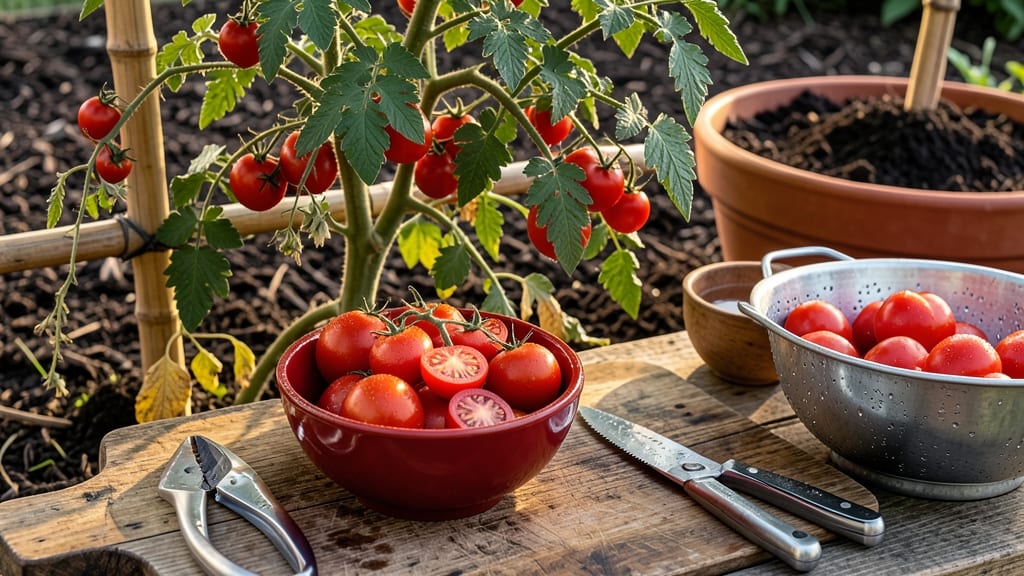
Freezing tomatoes for soup saves summer's bounty for cozy winter meals. 🌱 I learned the hard way that raw tomatoes freeze poorly—skin slips, texture turns mushy—but blanched, peeled, and crushed tomatoes become the secret weapon in my heirloom tomato soup.
The key is timing: harvest when tomatoes are fully ripe but firm, then blanch for 30-60 seconds to loosen skins. A quick ice bath stops cooking, and you can peel them easily.
Varieties like Roma, San Marzano, or beefsteak hold up best, while thin-skinned types like cherry tomatoes need extra care. By the end of the process, you'll have a pantry stocked with concentrated tomato flavor—no canning jars needed.
The soup you make in December will taste like summer, with rich color and sweetness preserved perfectly. Every spoonful reminds you of the garden's peak season. This method works for any tomato variety you grow, and the prep takes just 20 minutes for a big harvest.
No special equipment beyond a pot and freezer bags—just pure, preserved flavor waiting for winter's first chill.
📚 In This Guide
- What you need
- Instructions
- Tips and common mistakes
- Wrapping up and next steps
What you need
- ● Fresh tomatoes – Choose ripe, firm heirloom, Roma, or beefsteak varieties (about 10-12 lbs for a standard batch). Avoid overripe or blemished tomatoes.
- ● Water – 1 gallon for blanching (or enough to fill a large pot halfway). Use filtered or distilled water if possible.
- ● Ice – A large bowl or ice bath (or a sink filled with ice water).
- ● Cutting board – A large, sturdy board (at least 12" x 18") to handle whole tomatoes or chopped batches.
- ● Sharp chef’s knife – A 8-inch or larger knife for slicing or dicing tomatoes efficiently.
- ● Large pot – A 6-8 quart pot for blanching (deep enough to submerge tomatoes).
- ● Colander or slotted spoon – For draining blanched tomatoes quickly.
- ● Freezer-safe bags or containers – Option 1: Gallon-sized freezer bags (with ziplock or sealable edges). Use 2-3 bags for 10-12 lbs of tomatoes.
- ● Option 2: Rigid plastic containers (like 1-quart or 1-gallon airtight containers) with BPA-free lids. Use 4-6 containers for the same batch.
- ● Permanent marker – To label bags/containers with the date and contents (e.g., "Tomatoes for Soup – 11/2023").
- ● Paper towels or clean kitchen towel – For patting tomatoes dry before freezing.
- ● Vacuum sealer – Extends shelf life by removing air (great for long-term storage).
- ● Stasher bags or silicone molds – For portion-controlled freezing (e.g., single-serving sizes for soups).
- ○ Citric acid or lemon juice – ½ tsp per quart of water (optional) to boost acidity and preserve color.
- ● Food-safe labels or masking tape – For a more professional (and reusable) look on containers.
- ● Glove or tongs – To handle hot tomatoes post-blanching safely.
Step-by-step instructions for freezing tomatoes for soup
Preserving your harvest this way keeps that summer flavor locked in until winter—here's how I do it every year.
🍅 Step 1: Select and Prepare the Tomatoes
Pick tomatoes at their peak—when they're fully colored but still slightly firm to the touch. I always choose ripe ones because underripe tomatoes won't develop full flavor during freezing. Wash them gently under cool water to remove dirt, then pat them completely dry with a clean towel.
Cut the tomatoes in half around the stem scar. This makes it easier to scoop out the seeds and gel-like center, which can make your soup slimy if left in. Place the cut tomatoes in a colander to drain any excess liquid while you work. You'll want to process about 4-6 pounds of tomatoes for a good batch of soup later.
🌱 Step 2: Remove Seeds and Chop the Flesh
Scoop out the seeds and gel from each tomato half using a spoon. Discard these or save them for homemade tomato paste if you like. Chop the remaining tomato flesh into ½-inch chunks—this size works perfectly for soups and stews. I like to work in batches so the cut pieces don't get soggy while I'm processing.
For extra flavor, I add a pinch of salt and a few drops of lemon juice to the chopped tomatoes. This helps preserve color and prevents browning. Mix it all together gently and let it sit for 10 minutes while you prepare the next step. This gives the tomatoes time to release some of their juices naturally.
💧 Step 3: Blanch and Cool the Tomatoes
Bring a large pot of water to a rolling boil. Working in batches (about 2 pounds at a time), add the chopped tomatoes to the boiling water. They only need to blanch for 1-2 minutes—just enough time to soften slightly and kill any enzymes that could degrade flavor during freezing.
Immediately drain the blanched tomatoes and transfer them to a large bowl filled with ice water. This stops the cooking process instantly and helps preserve color and texture. Stir the tomatoes gently in the ice bath for 2-3 minutes until they're completely cooled. Drain well before proceeding.
❄️ Step 4: Package for Freezing
Ladle the cooled tomatoes into pint-sized freezer-safe bags or containers, leaving about ½-inch headspace at the top. Squeeze out as much air as possible before sealing. I like to label each bag with the date and contents—trust me, you'll forget what's in that freezer come winter!
For best results, freeze the tomatoes flat on a tray lined with parchment paper for 1 hour before transferring to a storage bag. This prevents the bags from sticking together and makes them easier to stack. Once frozen solid, transfer the bags to your freezer where they'll keep for up to 12 months.
🍲 Step 5: Thaw and Use in Soups
When you're ready to make soup, simply transfer a bag of frozen tomatoes to the refrigerator and let them thaw overnight. The next day, you can use them directly in your soup recipe. For even better flavor, I like to simmer the thawed tomatoes with a few herbs and a splash of vegetable broth for 10-15 minutes before adding the rest of the soup ingredients.
You'll notice the texture changes slightly after freezing—it's normal and actually works well for soups. The tomatoes will be softer but still pack all that summer flavor into your winter meals. Store any leftovers in the freezer for up to 3 months after thawing.
Tips & tricks for perfectly preserved tomatoes for winter soups
Here's what I've learned after freezing hundreds of pounds of tomatoes—these little details make all the difference when you're ready to use them later.
Selection Tip: Don't just grab any tomatoes! Look for ones that are fully colored but still have a slight give when gently squeezed. Overripe tomatoes (soft with wrinkled skin) will turn mushy after freezing, while underripe ones (hard and green-tinged) won't develop their full flavor. The sweet spot is tomatoes that yield slightly to pressure but still hold their shape—these are perfect for freezing.
Blanching Secret: Those 1-2 minutes of blanching might seem quick, but timing is everything. Use a timer and watch closely—the moment the tomatoes soften just slightly and float to the surface is perfect. Over-blanching (more than 2 minutes) will break down the texture, making them mushy when thawed. The ice bath after blanching is equally critical—it stops the cooking process instantly and preserves that vibrant color you worked so hard to maintain.
Freezing Strategy: The 1-hour flat-freezing trick before bagging is my absolute favorite shortcut. It might seem like an extra step, but it prevents the bags from sticking together like glue when you open them months later. Plus, flat-frozen tomatoes stack neatly in your freezer, saving space. Pro tip: Use a baking sheet lined with parchment paper for this step—it makes cleanup a breeze and prevents any potential freezer burns on the bottom of the bags.
Thawing Wisdom: Never thaw tomatoes directly on the counter! The overnight refrigerator thaw is non-negotiable for two reasons: it prevents bacterial growth from temperature fluctuations, and it keeps the texture intact. If you're in a hurry, you can use the microwave's defrost setting (about 30% power for 2-3 minutes), but you'll lose some texture control. The 10-15 minute simmer after thawing? That's where the magic happens—it revives the tomatoes and builds flavor for your soup.
Pro Tips for Freezing Tomatoes For Soup
- Here's what I've learned after freezing hundreds of pounds of tomatoes—these little details make all the difference when you're ready to use them later.
- Selection Tip: Don't just grab any tomatoes!
- Blanching Secret: Those 1-2 minutes of blanching might seem quick, but timing is everything.
Frequently asked questions
Got questions about freezing tomatoes for soup? You’re not alone! Here are answers to the most common concerns to help you preserve your harvest like a pro.
Can I freeze tomatoes whole?
Whole tomatoes aren’t ideal for freezing—they’ll turn mushy and burst their skins. Instead, peel, core, and chop them into chunks or sauce before freezing. For soups, quartering or dicing works best!
How long can I freeze tomatoes for soup?
Frozen tomatoes stay fresh for 9–12 months in an airtight container or freezer bag. After that, quality (flavor, texture) declines. Label bags with the date to track!
Do I need to blanch tomatoes before freezing?
Nope! Unlike other veggies, blanching isn’t necessary for tomatoes. Just wash, peel, and chop them before freezing. For soups, raw or lightly cooked tomatoes freeze beautifully—no prep hassle!
What’s the best container for freezing tomato soup?
Use airtight, freezer-safe containers (glass or BPA-free plastic) or heavy-duty freezer bags. Squeeze out excess air to prevent freezer burn. Mason jars work too—just leave 1-inch headspace!
Why do my frozen tomatoes turn gray or watery after thawing?
This happens when tomatoes oxidize (react with air) or absorb moisture. To fix it:
- Store chopped tomatoes in water or broth (1:1 ratio) in the freezer.
- Use lemon juice or ascorbic acid (½ tsp per quart) to slow browning.
- Thaw in the fridge overnight for best texture.
Can I freeze other tomato-based ingredients (like basil or garlic) with tomatoes?
Yes! Freeze fresh herbs (basil, oregano) separately in oil or water, and garlic as minced chunks. Add them to soup after reheating to preserve flavor—freezing can dull their taste.
Wrapping up and next steps
Freezing tomatoes for soup is a game-changer—it locks in summer’s vibrant flavor, saves you time, and ensures cozy meals all winter long!
Whether you’re a busy parent, a meal-prep enthusiast, or just love homemade soups, this simple method makes it easy. Now that you’re equipped with the know-how, why not stock your freezer today?
Ready to take the next step? Start with a small batch—try freezing just a pint of tomatoes this week, then build your stash as you go. Soon, you’ll be whipping up creamy tomato basil soup or hearty minestrone with zero stress. Happy freezing—and even happier soup nights ahead! 🍲❄️