
Vegetables
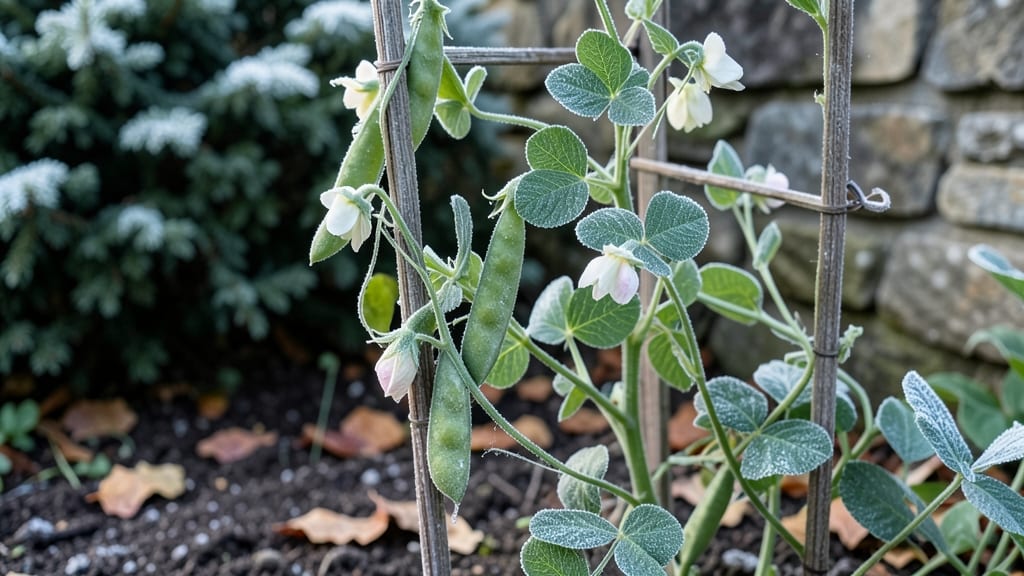
Freezing pea pods lets you enjoy garden-fresh crunch through the winter months—no canning skills required. 🌱 The secret lies in timing: harvest pods when they're plump but still tender, before the peas inside swell too large.
I've perfected this method over three seasons, and the results—bright green pods that snap perfectly after thawing—are worth the effort. You'll need just four simple supplies: fresh peas, boiling water, ice water, and freezer bags.
The blanching step (dipping pods in boiling water, then ice water) locks in color and texture, while proper drying prevents ice crystals. Most varieties work, but sugar snap and snow peas hold their crunch best after freezing.
After packaging, these pods stay fresh in the freezer for up to 12 months. Toss them straight from frozen into stir-fries or soups—they'll add that same sweet snap as if freshly picked.
The first time I pulled a pod from my freezer and heard that satisfying crack, I knew this was a game-changer for small-space gardeners. This method works for any pea variety, though younger pods always freeze best.
Store in quart-sized bags with labels noting the variety and date—trust me, you won't remember which batch is which after six months of winter cravings.
📚 In This Guide
- What you need
- Instructions
- Tips and common mistakes
- Wrapping up and next steps
What you need
- ● Fresh pea pods: 1–2 lbs (preferably sugar snap, snow peas, or snap peas). Choose firm, vibrant pods with no blemishes.
- ● Water: 1 gallon for blanching (cold water for ice bath).
- ● Large pot: A deep pot or blanching basket that fits your pea pods snugly.
- ● Slotted spoon or tongs: For easy transferring.
- ● Ice water bath: A large bowl or clean sink filled with ice and cold water.
- ● Paper towels or clean kitchen towels: For drying pods before freezing.
- ● Freezer-safe bags or containers: Option 1: Quart-sized freezer bags (with zip locks).
- ● Option 2: Airtight containers (leave ½-inch headspace for expansion).
- ○ Vacuum sealer (optional but recommended): Extends shelf life by removing air.
- ● Lemon juice or citric acid: 1 tsp per quart of water (adds brightness and slows browning).
- ● Salt: ½ tsp per quart (preserves texture).
- ● Labeling supplies: Masking tape + marker (to date your frozen pods!).
- ● Glove or tongs: For handling ice baths safely.
Step-by-step guide to freezing pea pods for winter
Preserving that fresh-from-the-garden crunch is easier than you think—just follow these simple steps.
🌱 Step 1: Harvest Peas at Peak Freshness
Pick your peas when pods are fully plump but still tender—before seeds inside become too firm. The best time is late morning after dew has dried but before afternoon heat sets in. You’ll know they’re ready when pods snap cleanly when bent, not bend without breaking.
Work quickly to avoid bruising. Rinse pods thoroughly under cool water to remove dirt and debris, then drain well on a clean kitchen towel. Pat dry gently—excess moisture speeds up spoilage before freezing. If you’re processing a large batch, spread pods on a baking sheet in a single layer and freeze for 1 hour first. This prevents clumping later.
💧 Step 2: Blanch for Color and Texture
Blanching preserves vibrant color and crisp texture. Bring a large pot of water to a rolling boil—about 2 quarts per pound of peas. Add 1 tablespoon of lemon juice or vinegar per gallon of water to maintain color (optional but recommended).
Drop peas into the boiling water in batches that don’t overcrowd the pot. They’re ready after 2-3 minutes—when pods turn bright green and float to the surface. Immediately transfer them to a bowl of ice water to stop cooking. Drain well once chilled, then spread pods on a clean towel to dry completely before freezing.
⏰ Step 3: Package for Freezing
Use airtight, freezer-safe containers or heavy-duty freezer bags. For best results, divide peas into 1-pint portions—perfect for small meals. Remove as much air as possible before sealing to prevent freezer burn.
Label each container with the date and contents. Peas stay best for 9-12 months when frozen properly. For extra protection, wrap pods in plastic wrap before placing in containers—this creates a moisture barrier that keeps them crisp.
☀️ Step 4: Freeze and Store Properly
Place sealed containers on a flat tray in the freezer for 2 hours before stacking. This prevents containers from shifting and cracking. Once frozen solid, transfer to a designated freezer storage bin.
For best quality, use frozen peas within 3 months. Thaw in the refrigerator overnight before using—never thaw at room temperature. You’ll notice pods retain their vibrant green color and satisfying crunch, just like fresh-picked.
Tips & tricks for perfectly preserved pea pods
Here's what nobody tells you about keeping those garden-fresh peas crisp all winter.
Harvest Timing: The 1-hour pre-freezing step in Step 1 isn't just about preventing clumping—it's about preserving that perfect snap. Spread pods on a baking sheet in a single layer and freeze them solid before transferring. This creates ice crystals that prevent pods from sticking together later. I learned this the hard way after struggling to separate frozen peas that had clumped into one big mass!
Blanching Precision: Those 2-3 minutes of blanching are critical for texture. Use a timer and watch for that exact moment when pods float—this means they're perfectly cooked but not mushy. The ice water bath after blanching stops cooking instantly, which is why you see such vibrant green peas when you thaw them later. Don't skip this step if you want that fresh-picked crunch.
Packaging Strategy: The 1-pint portions mentioned in Step 3 are perfect for small meals, but here's the secret: use vacuum-seal bags if you have them. They remove all the air and prevent freezer burn better than regular bags. If you don't have vacuum sealers, press out as much air as possible before sealing—this makes all the difference in maintaining quality for the full 9-12 months.
Freezing Technique: The 2-hour flat freeze before stacking containers is a game-changer. It might seem like overkill, but it prevents containers from shifting and cracking when you open them later. I've seen so many people skip this and end up with crushed pods. Trust me on this—it's worth the extra time for perfect results every time.
Pro Tips for Freezing Pea Pods
- Here's what nobody tells you about keeping those garden-fresh peas crisp all winter.
- Harvest Timing: The 1-hour pre-freezing step in Step 1 isn't just about preventing clumping—it's about preserving that perfect snap.
- Blanching Precision: Those 2-3 minutes of blanching are critical for texture.
Frequently asked questions
Got questions about freezing pea pods? You’re not alone! Here are some of the most common queries—plus quick, easy answers to keep your harvest fresh and delicious all season long.
Can you freeze pea pods without blanching?
While it’s possible to freeze pea pods raw, blanching (dipping in boiling water, then ice bath) is highly recommended. Without blanching, enzymes can degrade texture and flavor over time. If you skip it, expect softer pods with less crunch after thawing.
How long can frozen pea pods last?
Properly blanched and stored in airtight containers or freezer bags, pea pods stay fresh for 9–12 months. After that, quality declines—expect mushier texture and duller flavor. Label your bags with the date to track freshness!
What’s the best way to thaw frozen pea pods?
Thaw pea pods in the fridge overnight for the best texture. If you’re short on time, never microwave them—they’ll turn rubbery. For cooking, add them frozen to soups or stir-fries; the heat will gently thaw them as they cook.
Are frozen pea pods as nutritious as fresh?
Freezing locks in most nutrients, but some vitamin C and vitamin B may degrade slightly over time. Fresh pods are best for peak crispness and flavor, but frozen ones retain fiber, protein, and antioxidants—just store them properly!
What’s the easiest way to use frozen pea pods?
Try these quick ideas:
- Stir-fries: Toss with garlic, olive oil, and your favorite protein.
- Soups: Add them in the last 5 minutes of cooking.
- Snacks: Lightly steam and dip in hummus for a crunchy treat.
- Pasta dishes: Mix into pesto or toss with whole wheat pasta.
Wrapping up and next steps
Freezing pea pods is a game-changer for preserving their sweet, crisp flavor all year long!
With just a few simple steps—harvesting at peak freshness, blanching, drying, and storing—you’ll enjoy homegrown taste long after the garden season ends. Why wait? Grab those pods, follow the guide, and treat yourself to a winter snack that’s as rewarding as it is delicious. 🌱❄️
Now that you’re ready to freeze, start small—try a batch of your favorite variety and experiment with recipes like stir-fries, soups, or even pickles. Happy preserving!