
Vegetables
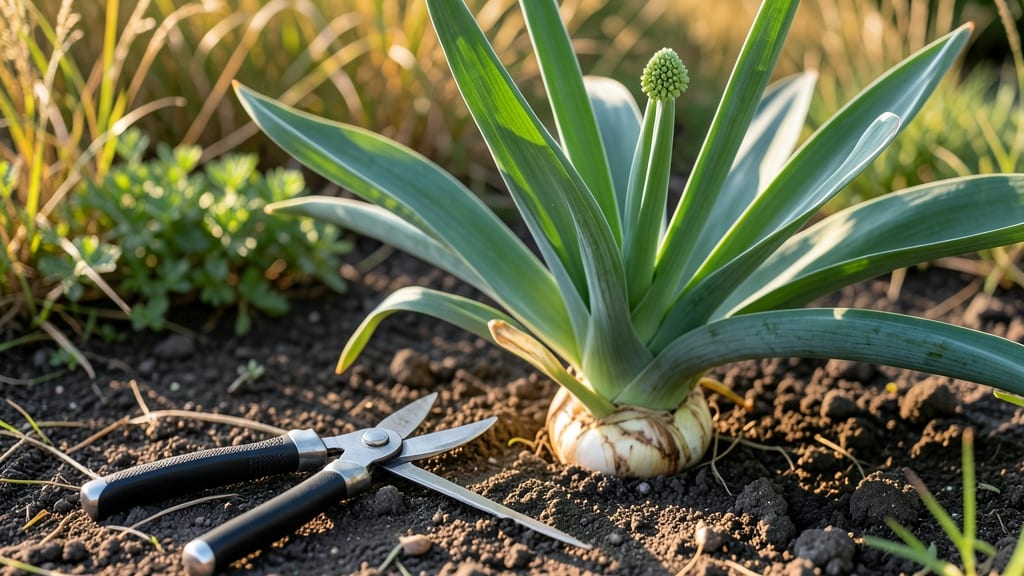
Elephant garlic scapes are the secret weapon of cold-hardy gardeners—long, flat shoots that appear in spring and can be harvested to boost your garlic's future yield. ✨ I've grown elephant garlic for years, and these scapes are where the magic happens: harvest them, and you encourage bigger, more flavorful bulbs later in the season.
The best part? Scapes are ready to pick when they reach 6-8 inches tall and start curling at the tip. Simply snip them with clean scissors or pruners, leaving the main bulb undisturbed.
You can use them fresh in cooking, braid them for decoration, or replant them to grow more garlic—it's like getting free plants for next year.
Harvesting scapes doesn’t hurt the plant; in fact, it makes the bulbs 20-30% larger by redirecting energy. The flavor is milder than garlic but packs a savory punch perfect for soups, roasts, or even garlic-infused oils. Plus, the plants keep producing scapes for years with minimal care.
If you’ve ever struggled with garlic that bolts or produces small bulbs, scapes are the solution. They thrive in zones 3-9, need little more than good soil and sunlight, and reward you with harvests that keep coming back. Let’s get those scapes growing!
📚 In This Guide
- What you need
- Instructions
- Tips and common mistakes
- Wrapping up and next steps
What you need
- ● Ready to grow your own elephant garlic scapes? Here’s everything you’ll need to get started—whether you’re a seasoned gardener or a curious beginner! 🌱
- ● That’s it! With these basics, you’re set for a bountiful, cold-hardy harvest—no greenhouses required. 🥔✨
How to grow and harvest elephant garlic scapes
Here's the straightforward method I use to grow elephant garlic scapes—hardy, productive, and ready for harvest in just a few months.
🌱 Step 1: Plant Elephant Garlic Cloves in Early Fall
Break apart a head of elephant garlic into individual cloves, making sure each clove has a full root base. Plant them 4 inches deep and 6 inches apart in well-draining soil with plenty of organic matter. I like to plant mine in early fall—about 6-8 weeks before the first frost—so they establish roots before winter.
This timing ensures the cloves overwinter and send up scapes the following spring. If you plant in spring, your first scape harvest will be delayed by a year. The key is patience—wait until the soil cools to 60°F before planting, and you'll see stronger growth next season.
☀️ Step 2: Provide Consistent Moisture and Sunlight
Elephant garlic thrives in full sun to partial shade, with at least 6 hours of sunlight daily. Water deeply once a week, ensuring the soil stays moist but not soggy. I check moisture by sticking my finger 2 inches into the soil—if it feels dry, it's time to water.
In hot climates, mulch around the plants with 2-3 inches of straw or shredded leaves to retain moisture and keep roots cool. Overwatering is the biggest mistake here—elephant garlic hates wet feet and can rot if the soil stays too damp.
✂️ Step 3: Harvest Scapes When They Curve
Scapes emerge in early summer, typically 6-8 weeks after planting in the second year. They're ready to harvest when they form a gentle S-shape or loop. Cut them at the base with clean shears, leaving the main bulb undisturbed. This encourages the plant to focus energy on bulb growth for next year's harvest.
Harvesting scapes early prevents them from flowering, which weakens the bulb. I like to use them fresh in stir-fries or blanch and freeze them for later. If left unharvested, scapes will flower and produce seed heads, but the bulb will be smaller.
🌿 Step 4: Maintain Soil Health for Year-Round Growth
After harvesting scapes, fertilize lightly with a balanced organic fertilizer (10-10-10) to replenish nutrients. I spread a handful around each plant and water it in. Elephant garlic is a perennial, so it benefits from regular soil amendments—compost or well-aged manure works well.
In late fall, after the foliage yellows and dies back, cut it down but leave the bulbs in the ground. They’ll overwinter and send up new scapes next year. The more you care for the soil, the bigger and more productive your elephant garlic will be.
Tips & tricks for perfect elephant garlic scapes
A few simple tricks that'll help your elephant garlic thrive and produce those prized scapes year after year.
The Planting Depth Matters: When planting those 4-inch deep cloves, resist the urge to bury them shallower—especially in heavy soils. The deeper planting helps anchor the bulb through winter, preventing frost heave. I've found that cloves planted at exactly 4 inches (measured from the base of the clove) survive our harsh winters better than shallower plantings. If your soil is rocky, consider loosening it slightly to maintain that depth without compacting the roots.
Timing is Everything for Scapes: Those 6-8 weeks between planting and first frost are critical for root establishment. I've learned the hard way that planting too early (when soil is still warm) can trigger premature growth, while planting too late risks weak roots. Aim for that sweet spot when soil hits 60°F—use a soil thermometer if you're unsure. This timing ensures robust plants that'll reward you with scapes the following summer.
Harvesting the Right Way: When you see that gentle S-shape forming in Step 3, act quickly! The scapes are at their peak flavor when they curve—waiting too long lets them toughen up. I cut mine with clean shears just above the soil line, but leave about 1/4 inch of stem attached. This small detail prevents the bulb from sending energy to seed production, keeping your future harvests strong. And always use clean tools to avoid introducing diseases to your perennial crop.
Soil Care Pays Off: That 10-10-10 fertilizer recommendation isn't just about immediate results—it's about long-term productivity. I've seen elephant garlic plants that produced scapes for 5+ years with consistent care, while neglected plants declined after just 2 seasons. The key is light feeding: spread that fertilizer around the base (not touching the stems) and water it in thoroughly. For even better results, top with 1 inch of compost in late winter before new growth appears.
Pro Tips for Elephant Garlic Scapes
- A few simple tricks that'll help your elephant garlic thrive and produce those prized scapes year after year.
- The Planting Depth Matters: When planting those 4-inch deep cloves, resist the urge to bury them shallower—especially in heavy soils.
- Timing is Everything for Scapes: Those 6-8 weeks between planting and first frost are critical for root establishment.
Frequently asked questions
Got questions about elephant garlic scapes? You’re not alone! Here are some of the most common queries—plus quick, no-nonsense answers to help you grow like a pro.
What are elephant garlic scapes, and how do they differ from regular garlic scapes?
Elephant garlic scapes are the long, curly green shoots that sprout from Allium ampeloprasum, a giant cousin of regular garlic. Unlike traditional garlic scapes (which come from Allium sativum), these are thicker, milder, and slightly sweeter—with a flavor closer to leeks or scallions. Plus, they’re perennial, so you’ll get them year after year!
When is the best time to harvest elephant garlic scapes?
Harvest scapes when they’re 6–12 inches long and still tightly curled (before they straighten or flower). Aim for late spring to early summer in most climates. Pro tip: Cut them just above the first few leaves with clean shears—this encourages regrowth and more harvests later in the season!
Can I regrow elephant garlic after harvesting scapes?
Since elephant garlic is perennial, it’ll often rebound with new scapes later in the season (or even next year). After harvesting, keep the soil moist and fertilize lightly with compost. Some varieties may produce small bulbs or secondary scapes—just let them mature for future harvests!
What’s the best way to use elephant garlic scapes in cooking?
Treat them like green garlic or scallions! Sauté them in olive oil for 2–3 minutes until tender, add them raw to salads for a mild onion kick, or blend into pesto. Bonus: Their flavor mellows when cooked, so they’re great in soups, stir-fries, or as a garnish. Freeze extras by chopping and storing in olive oil!
Will elephant garlic scapes survive winter in cold climates?
Yes! These hardy perennials thrive in USDA zones 3–9. In colder areas, mulch heavily with straw or leaves to protect the bulbs. Scapes may die back in winter but regrow in spring. If you’re in a warmer zone, they might produce scapes year-round—just harvest as needed!
What can I do if my elephant garlic scapes aren’t growing?
Check these fixes:
- Sunlight: Ensure they get full sun (6+ hours/day)—partial shade can slow growth.
- Soil: Amend heavy or clay soil with compost for better drainage.
- Water: Keep soil consistently moist (not soggy) during active growth.
- Patience: First-year plants may focus on bulb growth before sending up scapes.
If all else fails, divide and replant clumps every 3–4 years to rejuvenate growth.
Wrapping up and next steps
Elephant garlic scapes are a game-changer for gardeners—easy to grow, cold-hardy, and packed with flavor! Whether you’re reviving an old patch or starting fresh, these perennials reward patience with year-round harvests and minimal effort.
Now that you’re equipped with the know-how, it’s time to roll up your sleeves and plant your first scapes—your kitchen (and taste buds) will thank you!
Ready to dive in? Start small—pick a sunny spot, prep the soil, and watch your garden transform into a scape-producing powerhouse. Happy growing! 🌱✨