
Vegetables
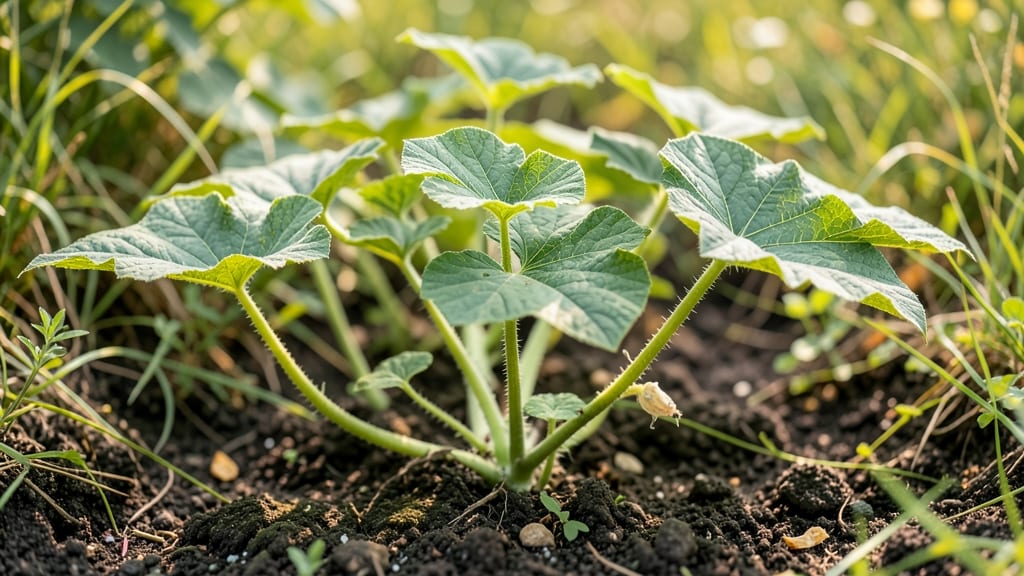
Cucumber seedlings images—those first tiny green hooks breaking through the soil—healthy beginnings mean future vines loaded with crisp fruit. 🌱 I’ve watched hundreds of seedlings, and the difference between thriving plants and leggy failures often comes down to what you notice in those first two weeks.
Those plump cotyledons (the first leaves) should be bright green and firm, not yellow or wilted, signaling strong roots below.
True leaves—smaller, serrated, and more complex than the initial pair—appear next, and this is where most gardeners trip up. Overcrowded trays or uneven light stretch seedlings into weak stems that snap at transplanting. My secret?
Thin seedlings to 2 inches apart early and use a grow light if your windowsill can’t provide 12+ hours of light daily. The goal is stocky, dark-green stems ready to handle outdoor conditions.
By the time you’re hardening off seedlings (acclimating them to outdoor temps), you’ll spot vibrant color and sturdy stems—signs they’re ready for the garden.
Transplant on a cloudy day or in late afternoon to avoid shock, and bury stems deeper than they were in pots (they’ll root along the buried section). Within days, you’ll see new growth pushing upward, and that’s when you know you’ve got winners.
This method works for any cucumber variety—bush types, vining varieties, or even pickling cucumbers—because the early care principles stay the same. The payoff? Seedlings that outpace store-bought plants and produce earlier, heavier yields. Now let’s dive into what to watch for at each stage.
📚 In This Guide
- What you need
- Instructions
- Tips and common mistakes
- Wrapping up and next steps
What you need
- ● Cucumber Seeds: 5–10 organic, non-GMO cucumber seeds (choose heirloom or hybrid varieties like 'Straight Eight' or 'Marketmore' for vibrant seedlings).
- ● Seed Starting Trays: 1–2 biodegradable or plastic seedling trays (72–128 cell count) with drainage holes.
- ● Seed Starting Mix: 2–3 cups of high-quality, sterile seed-starting soil (avoid garden soil—it may contain pathogens).
- ● Grow Lights or Sunny Window: A full-spectrum LED grow light (12–16 hours/day) or a south-facing window with direct sunlight (6+ hours/day).
- ● Spray Bottle: 1 small spray bottle (for gentle watering).
- ○ Plastic Wrap or Humidity Dome: A sheet of plastic wrap or a clear lid to retain moisture (optional but helpful for germination).
- ○ Heat Mat (Optional): A seedling heat mat (70–80°F range) to speed up germination in cooler climates.
- ● Camera or Smartphone: For capturing cucumber seedlings images—use natural light or a macro lens for close-ups!
- ● Plant Labels: Small tags or a pencil to mark seed varieties.
- ● Fertilizer: A mild, water-soluble seedling fertilizer (diluted to half-strength) for nutrient boosts after sprouting.
- ● Tweezers: For delicate seedling transplants (if moving to larger pots later).
- ● Notebook: To track planting dates, watering schedules, and growth milestones.
Visual guide to identifying healthy cucumber seedlings
Here's how to spot strong, disease-resistant starts from seed—no guesswork involved.
🌱 Step 1: Recognize Proper Germination Signs
The first true leaves are your golden checkpoint. Healthy cucumber seedlings show two round cotyledons (seed leaves) within 5-7 days at 70-80°F. These look like tiny, plump maple leaves and should emerge evenly spaced—if one sprouts crooked or lopsided, it's struggling.
Watch for white, fuzzy mold on the soil surface—that's damping-off, a fungal infection that collapses seedlings overnight. If you see this, remove affected plants immediately and water only at the base from now on. The soil should feel damp but not soggy when you press your finger an inch deep.
🌿 Step 2: Assess Stem and Leaf Health
Strong cucumber seedlings have thick, sturdy stems that stand upright without support. Weak stems (thinner than a pencil lead) mean overcrowding or insufficient light. You'll also see deep green, glossy leaves with smooth edges—never yellowing or curling, which signals overwatering or nutrient deficiency.
Count the true leaves (the ones after the initial cotyledons). Healthy seedlings develop 3-4 true leaves before transplanting. If leaves appear mottled or spotted, isolate the plant—this could be early signs of powdery mildew, common in cucumbers. A 1% hydrogen peroxide spray (1 part peroxide to 99 parts water) can treat it early.
☀️ Step 3: Evaluate Root and Soil Conditions
Gently press the pot's edge to check root growth. Healthy roots fill the container's bottom within 3 weeks, forming a white, fibrous network. If roots circle the pot (called pot-bound), they'll strangle themselves when transplanted. To prevent this, I rotate pots weekly so roots grow evenly.
The soil should smell earthy, not musty. Musty odor means excess moisture or poor drainage. Cucumber seedlings hate soggy feet—always use pots with multiple drainage holes and a lightweight seed-starting mix (never garden soil). After watering, the top inch should dry in 12-24 hours in normal room conditions.
⏰ Step 4: Time Transplanting for Optimal Strength
Transplant when seedlings reach 4-6 inches tall with 5-7 true leaves, usually 4-6 weeks after germination. Look for bold, upright growth—if stems bend toward light, they're leggy from insufficient 6-8 hours of direct sun or grow light. Harden off seedlings by placing them outside for 1 hour daily for 7 days before full transplant.
Before moving to the garden, pinch off the bottom set of leaves (those touching the soil). This prevents soil-borne diseases from climbing up the stem. Healthy transplants should rebound within 24 hours of handling—no wilting or drooping.
Tips & tricks for perfect cucumber seedling identification
Confession: I've lost more cucumber seedlings to early mistakes than I care to admit. Here's what nobody tells you about raising resilient starts.
Germination Temperature Matters: While the instructions specify 70-80°F, I've found that consistent temperatures in this range are crucial—fluctuations can delay germination by days. Place your seed trays on a heat mat set to 75°F for predictable results. If your home runs cooler, consider using a seedling heat mat to maintain that sweet spot.
Lighting Strategy: The 6-8 hours of direct sun mentioned is non-negotiable, but here's what I learned: seedlings stretch toward light sources, creating weak stems. Position your grow lights (or natural light) just 2-3 inches above the plants and raise them gradually as seedlings grow. This creates strong, compact stems that won't flop when transplanted.
Soil Moisture Secret: That 12-24 hour drying time between waterings is your best defense against damping-off. I use a spray bottle for initial watering to avoid disturbing seeds, then switch to bottom-watering once sprouts appear. The key is consistency—never let the soil surface dry completely between waterings, but never let it stay soggy either.
Transplanting Timing: The 4-6 week window for transplanting is perfect, but here's my pro tip: check for seedling maturity by gently tugging on the plant. If it slides out of the pot with minimal resistance, it's ready. This simple test beats guessing by height alone and ensures you're not transplanting too early or too late.
Pro Tips for Cucumber Seedlings Images
- Confession: I've lost more cucumber seedlings to early mistakes than I care to admit.
- Germination Temperature Matters: While the instructions specify 70-80°F, I've found that consistent temperatures in this range are crucial—fluctuations can delay germination by days.
- Lighting Strategy: The 6-8 hours of direct sun mentioned is non-negotiable, but here's what I learned: seedlings stretch toward light sources, creating weak stems.
Frequently asked questions
Got questions about growing cucumber seedlings? You’re not alone! Here are answers to the most common queries—from timing to troubleshooting—so you can start strong with your cucumber seeds.
How long does it take for cucumber seedlings to sprout?
Cucumber seeds typically sprout within 5 to 10 days after planting, depending on soil warmth and moisture. Keep the soil consistently moist (not soggy) and maintain temperatures around 70–90°F (21–32°C). If nothing emerges after 14 days, the seeds may have failed—try replanting!
When should I transplant cucumber seedlings outdoors?
Wait until after the last frost and soil temperatures reach at least 60°F (15°C). Seedlings should have 2–3 true leaves and be sturdy enough to handle transplant shock. Harden them off for 5–7 days by gradually exposing them to outdoor conditions before moving them permanently.
What do unhealthy cucumber seedlings look like?
Watch for these red flags:
- Yellowing leaves (overwatering, nutrient deficiency, or disease like powdery mildew).
- Leggy, weak stems (lack of light or overcrowding).
- Blackened or mushy stems (rot from overwatering or fungal issues).
- No new growth (underwatering, poor soil, or pests like aphids).
Can I start cucumbers from store-bought cucumbers?
Yes! Save seeds from heirloom or organic cucumbers (avoid hybrid varieties like "Diva" or "Marketmore"). Scoop out the seeds, rinse them, and dry them on paper towels for 2–3 days before storing in a cool, dark place. Germination rates may be lower than fresh seeds, but it’s a fun, free alternative!
Why are my seedlings wilting even with enough water?
Wilting can signal root stress from:
- Overcrowding (thin seedlings to 12–24 inches apart).
- Poor drainage (use a well-draining seed-starting mix).
- Pests like fungus gnats or aphids damaging roots.
- Transplant shock (if recently moved outdoors).
Wrapping up and next steps
Growing strong, healthy cucumber seedlings is all about patience, preparation, and a little green thumb love! 🌱 Whether you’re a seasoned gardener or just starting out, these cucumber seedlings images and tips will give you the confidence to nurture thriving plants from the very first sprout.
With the right setup and care, you’re well on your way to a bountiful harvest—so grab those seeds and get growing!
Ready to take the next step? Experiment with different containers, lighting, or soil mixes to find what works best for your space. And don’t forget to share your progress—tag us in your cucumber seedling pics for a chance to be featured! 📸