
Vegetables
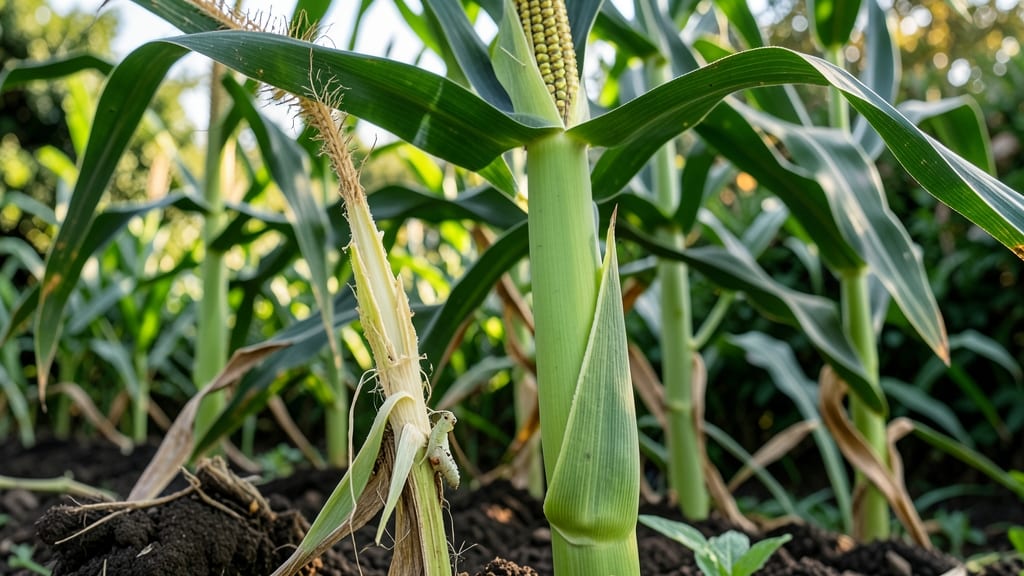
Corn green snap beans thrive where most beans fail—even in cool spring soil. 🌱 I’ve grown this variety for years, and it’s the only bean that reliably produces crisp pods from early spring through fall, often regrowing after harvest.
The secret lies in their cold tolerance and bushy growth habit, which makes them perfect for small spaces or container gardens.
Start with well-draining soil rich in compost—these beans hate soggy roots. Plant seeds 1 inch deep, spacing them 4-6 inches apart, and thin seedlings to 3-4 inches apart once they’re 2-3 inches tall.
They prefer full sun but tolerate partial shade, making them versatile for gardens with mixed light conditions. Water consistently to keep soil moist but not waterlogged, aiming for 1 inch per week.
Harvest begins when pods are 4-6 inches long and snap crisply—this usually happens 50-60 days after planting. The more you pick, the more they produce, so check plants every 2-3 days.
If left too long, pods toughen and yield shrinks. With proper care, you’ll enjoy fresh green snaps for 6-8 weeks per planting, often with multiple harvests in a season.
Watch for Japanese beetles and spider mites—they love these beans too. Handpick beetles early in the day or spray with neem oil for mites. Rotate planting locations yearly to prevent soil-borne diseases like bacterial blight. These beans are hardy, forgiving, and reward patience with a steady, flavorful harvest.
📚 In This Guide
- What you need
- Instructions
- Tips and common mistakes
- Wrapping up and next steps
What you need
- ● Corn green snap bean seeds: 1–2 oz (about 150–300 seeds, depending on spacing). Look for cold-hardy varieties like ‘Blue Lake Bush’ or ‘Contender’.
- ● Well-draining soil: A mix of compost (50%), garden soil (30%), and perlite/sand (20%) for optimal aeration. Test pH (ideal: 6.0–7.0).
- ● Containers or garden bed: For in-ground planting: 3–4 ft rows, 2–3 inches deep, with 4–6 inches between plants.
- ● For containers: 5-gallon pots (minimum) or raised beds (12+ inches deep). Use at least 2 plants per container.
- ● Watering can or hose: With a gentle spray nozzle for seedlings.
- ● Fertilizer: Balanced organic fertilizer (10-10-10) or compost tea. Apply lightly at planting and again when flowers appear.
- ● Mulch: Straw or shredded leaves (1–2 inches) to retain moisture and suppress weeds.
- ○ Trellis or stakes (optional but recommended): 4–6 ft tall for climbing varieties to save space and improve airflow.
- ● Row covers: Lightweight fabric to protect young plants from frost or pests.
- ● Plant markers: To track varieties and spacing.
- ● Organic pest control: Neem oil or insecticidal soap for aphids/beetles.
- ● Grow lights: If starting indoors (6–8 weeks before last frost).
Step-by-step guide to growing cold-hardy green snap beans
Here’s how to cultivate these resilient, regrowing powerhouses—no greenhouse needed.
🌱 Step 1: Select the Right Variety and Planting Site
Green snap beans thrive in cooler climates, so choose a cold-resistant variety like 'Provider' or 'Kentucky Wonder' for best results. These varieties tolerate temperatures down to 40°F and regrow after harvest, making them ideal for multiple cuttings. Plant in a location with full sun to partial shade—they’ll produce best with at least 6 hours of sunlight daily, but tolerate morning shade in hotter regions.
Test your soil’s pH before planting; green snap beans prefer a slightly acidic to neutral range (6.0-7.0). If your soil is heavy clay or sandy, amend it with 2-3 inches of compost mixed into the top 6 inches of soil. This improves drainage and nutrient retention, which is critical for their deep root systems. Avoid fresh manure—it can burn tender roots and delay germination.
🌿 Step 2: Sow Seeds at the Right Depth and Spacing
Direct-sow seeds ½ inch deep once soil temperatures reach 55°F—they won’t germinate well in cooler soil. Space seeds 4-6 inches apart in rows 18-24 inches apart to allow airflow and prevent fungal diseases. Thin seedlings to the strongest plant per spot when they reach 2 inches tall; crowded plants compete for nutrients and produce smaller yields.
Here’s the thing—green snap beans are sensitive to transplant shock, so never start them indoors. The taproot establishes quickly, and disturbing it later weakens the plant. If frost threatens after sowing, cover seedlings with floating row covers or lightweight fabric to protect them until temperatures stabilize above 45°F. Watch for first true leaves (the second set after the initial cotyledons) to confirm successful germination.
☀️ Step 3: Water and Fertilize for Continuous Regrowth
Keep soil consistently moist but never soggy—green snap beans need 1 inch of water weekly, more in extreme heat. Water at the base of plants in the morning to reduce evaporation and fungal risks. Drip irrigation or soaker hoses work best; overhead watering can spread disease. You’ll know moisture is right when the top 2 inches of soil feel damp but not waterlogged.
Side-dress with balanced fertilizer (10-10-10) when plants reach 6 inches tall, using ½ teaspoon per plant. Too much nitrogen leads to leafy growth at the expense of pods. After your first harvest, trim plants back by ⅓ to encourage regrowth. They’ll bounce back surprisingly fast—3-4 weeks later, you’ll have a second flush of beans if temperatures stay mild.
✂️ Step 4: Harvest and Prune for Bold Regrowth
Harvest when pods reach 4-6 inches long and are crisp but still tender—waiting too long makes them fibrous. Pick every 2-3 days to encourage more production; neglected plants channel energy into seeds instead of new growth. Use clean pruners to cut stems just above a leaf node, which stimulates branching and more pods.
After the first harvest, prune back any yellowing or diseased leaves immediately to prevent spread. If temperatures drop below 40°F, protect plants with row covers or mulch to extend the season. In ideal conditions, green snap beans regrow 2-3 times before winter, giving you a steady supply of fresh pods. Real talk: the first harvest is the sweetest, but the regrowth? That’s where the magic happens.
Tips & tricks for perfect cold-hardy green snap beans
These resilient plants reward careful attention—here’s how to maximize their regrowth potential and avoid common pitfalls.
Variety Selection Matters: While 'Provider' and 'Kentucky Wonder' are excellent choices, consider 'Contender' for even better cold tolerance down to 30°F. The key is selecting varieties specifically bred for your climate zone—check seed packets for hardiness ratings. I’ve found that bush varieties regrow more vigorously than pole types after harvest, though they require less support.
Soil Prep is Non-Negotiable: The 2-3 inches of compost recommendation is critical, but don’t stop there. Mix in ½ cup of bone meal per planting hole before sowing—this provides phosphorus for strong root development. I’ve seen plants with poor soil struggle to regrow after harvest, while amended soil produces plants that bounce back reliably. Test your soil’s organic matter content too; aim for at least 5% for optimal regrowth.
Germination Timing Secret: The 55°F soil temperature threshold is firm, but here’s the thing—use a soil thermometer to confirm. Cold soil delays germination by days or even weeks. I’ve had seeds sit for over a week in 50°F soil before finally sprouting. For a head start, pre-soak seeds overnight in warm water before planting; this can shave 2-3 days off germination time while maintaining cold hardiness.
Regrowth Hack: After your first harvest, don’t just trim back—prune strategically. Cut stems at a 45-degree angle just above a leaf node, and remove any pods still attached. This redirects energy to new growth rather than seed production. I’ve seen plants produce a second harvest just 3 weeks after pruning when done this way, compared to 5-6 weeks with less precise trimming.
Pro Tips for Corn Green Snap
- These resilient plants reward careful attention—here’s how to maximize their regrowth potential and avoid common pitfalls.
- Variety Selection Matters: While 'Provider' and 'Kentucky Wonder' are excellent choices, consider 'Contender' for even better cold tolerance down to 30°F.
- Soil Prep is Non-Negotiable: The 2-3 inches of compost recommendation is critical, but don’t stop there.
Frequently asked questions
Got questions about growing corn green snap beans? You’re not alone!
Here are answers to the most common queries to help you cultivate a thriving harvest with ease.
When is the best time to plant corn green snap beans?
Corn green snap beans thrive in warm soil—wait until the ground reaches at least 60°F (15°C) and nighttime temperatures stay above 50°F (10°C). In cooler climates, start indoors 2–3 weeks before the last frost or use row covers to extend the season. For perennials, plant in early spring or late summer for a fall harvest!
How long does it take for corn green snap beans to grow and produce?
From seed to harvest, expect 50–60 days for snap beans. Perennial varieties may take slightly longer to establish but reward you with regrowth for years. Pick pods when they’re 4–6 inches long and crisp—don’t wait too long, or they’ll toughen up!
Can I grow corn green snap beans in containers or small spaces?
These beans are compact and bushy, making them perfect for containers, vertical trellises, or small gardens. Use a 5-gallon pot or deeper for perennials, and ensure they get 6–8 hours of sun daily. Trellising saves space and improves airflow to prevent disease.
What pests or diseases should I watch for, and how do I prevent them?
Common issues include bean beetles, aphids, and powdery mildew. Prevent pests with row covers, neem oil, or companion planting (try basil or marigolds). For mildew, space plants for airflow and water at the base. Remove affected leaves promptly to stop spread.
How do I encourage my corn green snap beans to regrow after harvest?
Perennial varieties regrow best with proper care! After harvesting, trim plants back by ⅓ to stimulate new growth. Fertilize lightly with compost or a balanced organic fertilizer, and keep soil moist but not soggy. Mulch to retain moisture and protect roots over winter.
What can I plant alongside corn green snap beans for better yields?
These beans love companion planting! Pair them with:
- Corn (classic "Three Sisters" trio with squash and beans)
- Cucumbers or squash (shade-sensitive beans appreciate their canopy)
- Onions or garlic (repel pests naturally)
Wrapping up and next steps
Growing corn green snap beans is a rewarding journey—whether you're a seasoned gardener or a curious beginner! These cold-resistant perennials thrive with minimal fuss, offering bold regrowth and a bountiful harvest. With the right soil, sunlight, and care, you’ll enjoy fresh, crisp pods straight from your garden all season long.
Ready to take the next step? Start small—plant a few seeds or seedlings this spring and watch your garden transform! 🌱 For even better results, experiment with companion planting or succession sowing to extend your harvest. Happy growing!