
Vegetables
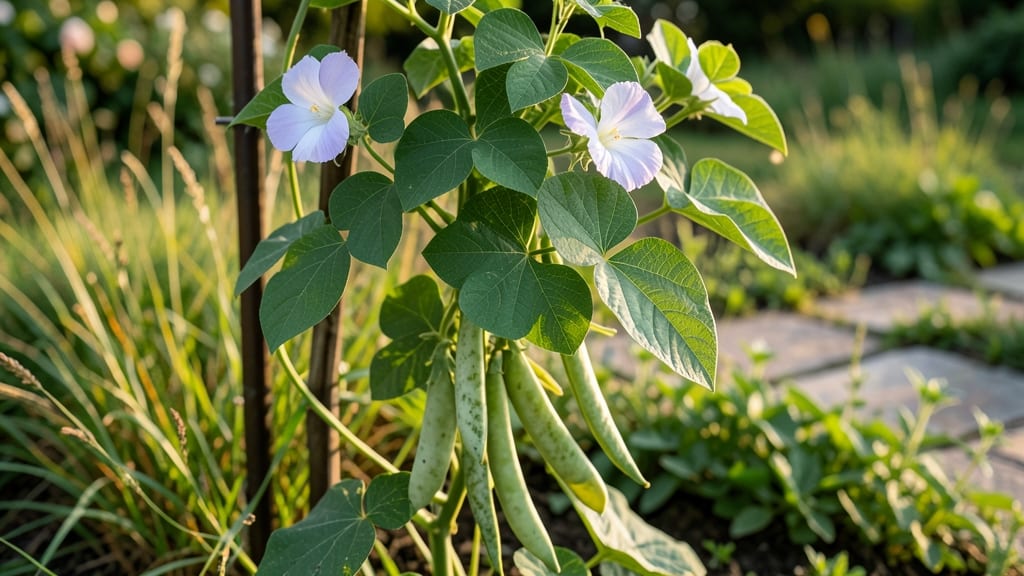
Pinto bean seeds need soaking overnight before planting—this cold-hardy trick cuts germination time from weeks to days. 🌱 I learned the hard way that dry planting means waiting forever for those first green shoots, but once I started soaking, my beans popped up in just 5-7 days even when soil temps hovered near 50°F. The secret isn't just soaking—it's pairing that with 1-inch deep planting in loose, well-drained soil.
Pinto beans thrive in full sun (6+ hours daily) and consistent moisture, but they hate soggy roots. My first year, I drowned half my plants by overwatering; now I check soil moisture like a pro and see bushy plants reaching for the sky by midsummer.
What you end up with are plump, speckled beans that outperform store-bought in both flavor and yield. The plants stay compact (2-3 feet tall) unless you choose a pole variety, making them perfect for small gardens or containers. Just watch for Mexican bean beetles—they'll skeletonize leaves if you're not vigilant.
This method works for both bush and pole varieties, and the same tricks apply whether you're growing in raised beds or straight in the ground. Let's get those seeds sprouting!
📚 In This Guide
- What you need
- Instructions
- Tips and common mistakes
- Wrapping up and next steps
What you need
- ● Pinto bean seeds: 50–100 seeds (organic or heirloom varieties work best for cold tolerance). Choose Phaseolus vulgaris for cold-hardy options like Dakota or Great Northern.
- ● Seed-starting mix: 1–2 gallons of sterile, well-draining potting soil (avoid garden soil—it may harbor diseases). Look for a mix labeled for seedlings.
- ● Containers: Biodegradable pots (3–4 inches deep) or seed trays with cells (10–20 cells per tray). Ensure they have drainage holes!
- ● Watering can or spray bottle: A gentle spray helps avoid disturbing seeds.
- ● Plastic wrap or humidity dome: Keeps moisture in during germination (critical for cold starts!).
- ● Grow lights or sunny windowsill: Pinto beans need 6–8 hours of light daily after sprouting. A full-spectrum LED grow light is ideal.
- ○ Heat mat (optional but helpful): A seedling heat mat (70–80°F) speeds up germination in cooler climates.
- ● Plant labels and markers: Track varieties and planting dates (especially if testing cold-hardy strains).
- ○ Gloves (optional): Protects hands from soil and sharp seed coats.
- ● Fertilizer (low-nitrogen): A balanced 5-10-10 or organic fertilizer like fish emulsion (use sparingly after germination).
- ● Transplanting tools: Small trowel or spoon for moving seedlings to the garden later.
- ○ Thermometer (optional): Monitors soil temperature—pinto beans germinate best at 60–85°F.
Step-by-step instructions for germinating pinto bean seeds
Cold-hardy pinto beans thrive when you start them right—here’s how to break dormancy and get strong seedlings.
🌱 Step 1: Soak Seeds for 12 Hours to Break Dormancy
Pinto beans have tough seed coats that slow germination. Place 4 seeds in a bowl and cover with warm water for 12 hours. This softens the outer shell so roots can emerge faster. I like to use a fine-mesh strainer or cheesecloth so seeds stay contained.
After soaking, drain the water and let seeds sit for 30 minutes to dry slightly. This prevents them from rotting once planted. You’ll notice the seeds swell slightly—this is your signal they’re ready for planting.
💧 Step 2: Plant in Warm, Moist Soil at 1-Inch Depth
Fill a 6-inch deep pot with well-draining potting mix (never garden soil—it’s too dense). Moisten the soil until it’s damp but not soggy. Pinto beans need warmth to germinate, so I place the pot in a sunny window or under a grow light before planting.
Plant each seed 1 inch deep and 2 inches apart. Press lightly to ensure good soil contact, but don’t compact it. Water gently until the soil surface looks evenly moist. Overwatering now can cause seeds to rot before they sprout.
☀️ Step 3: Provide Warmth and Humidity for Germination
Pinto beans germinate best at 70-80°F. If your home runs cooler, place the pot on a seedling heat mat or near a sunny window. A clear plastic dome or plastic wrap over the pot keeps humidity high, which speeds up sprouting.
Check daily for moisture—soil should stay damp but not wet. Within 7-14 days, you’ll see tiny shoots emerge. Once 50% of seeds sprout, remove the cover immediately to prevent fungal growth.
🌿 Step 4: Thin Seedlings and Harden Off Before Transplanting
When seedlings reach 2 inches tall, thin to the strongest plant per pot by snipping the others at the base. This prevents overcrowding and gives the remaining plant room to grow. Water at the base to avoid disturbing the roots.
Two weeks before your last frost, start hardening off seedlings. Place them outside in a sheltered spot for 1-2 hours the first day, gradually increasing time over 10-14 days. Pinto beans tolerate cooler temps, but this step ensures they adapt to outdoor conditions.
⏰ Step 5: Transplant After All Frost Risk Passes
Wait until soil is at least 60°F and nighttime temps stay above 50°F before transplanting. Dig holes 1 inch deep and 4 inches apart in the garden. Place seedlings carefully, firm soil around the base, and water deeply.
Mulch with 1-2 inches of straw to retain moisture and regulate soil temperature. Pinto beans are drought-tolerant once established, but consistent moisture during flowering ensures better yields. Watch for first true leaves to appear in 2-3 weeks—that’s your sign they’re thriving.
Tips & tricks for perfect pinto bean seed germination
Cold-hardy pinto beans need just the right conditions to break dormancy and sprout strong—here's how to give them the best possible start.
Soaking Secret: The 12-hour soak in warm water is non-negotiable for pinto beans, but don't let the water get cold during this time. I place my bowl on top of my refrigerator (which stays warm) to maintain consistent temperature. After draining, those 30 minutes of drying are crucial—the seeds should feel slightly tacky but not wet when you handle them. This prevents mold from forming when you plant.
Temperature Matters: Those 70-80°F germination temps are ideal, but if your home runs cooler, a seedling heat mat makes all the difference. I've seen germination times double when seeds are kept below 65°F—patience is key, but warmth speeds up the process dramatically. Keep that plastic dome or wrap in place until you see 50% sprouting, but remove it immediately after to prevent fungal growth.
Planting Precision: When planting those 4 seeds 1 inch deep and 2 inches apart, use your finger to make small divots instead of pressing hard with a trowel. This prevents compacting the soil which can suffocate emerging roots. Gently pat the soil around the seeds rather than packing it down—think "light as a feather" rather than "firm as concrete."
Pro Tips for Pinto Bean Seeds
- Cold-hardy pinto beans need just the right conditions to break dormancy and sprout strong—here's how to give them the best possible start.
- Soaking Secret: The 12-hour soak in warm water is non-negotiable for pinto beans, but don't let the water get cold during this time.
- Temperature Matters: Those 70-80°F germination temps are ideal, but if your home runs cooler, a seedling heat mat makes all the difference.
Frequently asked questions
Got questions about growing pinto bean seeds? You’re not alone! Here are answers to the most common queries to help you cultivate a thriving harvest—even in cooler climates.
How long do pinto bean seeds take to germinate?
Pinto bean seeds typically sprout in 7–14 days after planting, depending on soil temperature. For faster germination, keep soil consistently warm (60–85°F) and moist. If your climate is chilly, consider soaking seeds overnight or using a seedling heat mat to speed things up.
Can pinto beans grow in cold weather?
Yes! Pinto beans are cold-hardy and can tolerate light frosts (50°F+) once established. Start seeds indoors 4–6 weeks before the last frost or plant directly in the ground after soil reaches 60°F. For extra protection, use row covers or plant near heat-retaining structures like fences.
What’s the best soil mix for pinto bean seeds?
Pinto beans thrive in well-draining, slightly acidic soil (pH 6.0–7.0). Mix equal parts garden soil, compost, and coarse sand for ideal conditions. Avoid heavy clay—beans hate soggy roots! If your soil is poor, amend it with aged manure or worm castings for nutrients.
Why aren’t my pinto bean seeds sprouting?
Common culprits include old seeds (plant fresh ones under 1 year old), too-cold soil, or overwatering (which causes rot). Try scratch-testing seeds (scratch the seed coat—if it’s hard, soak it first). Also, ensure seeds are planted 1–2 inches deep with spacing of 3–4 inches apart.
Can I grow pinto beans in containers?
Pinto beans are great for containers if the pot is at least 12–18 inches deep and has drainage holes. Use a lightweight potting mix and train vining varieties with a trellis. Just ensure the container gets 6+ hours of sunlight daily—beans are sun-lovers!
Wrapping up and next steps
Growing pinto bean seeds doesn’t have to be a gamble—with the right cold-hardy tricks, you’re well on your way to a thriving harvest! 🌱 Whether you’re a beginner or a seasoned gardener, these tips ensure faster germination, stronger plants, and a bountiful yield.
Now that you’re armed with the best techniques, there’s no better time to roll up your sleeves and start planting.
Ready to take the next step? Mark your calendar, prep your soil, and watch those little seeds transform into a delicious, homegrown crop. Happy gardening! 🌿