
Vegetables
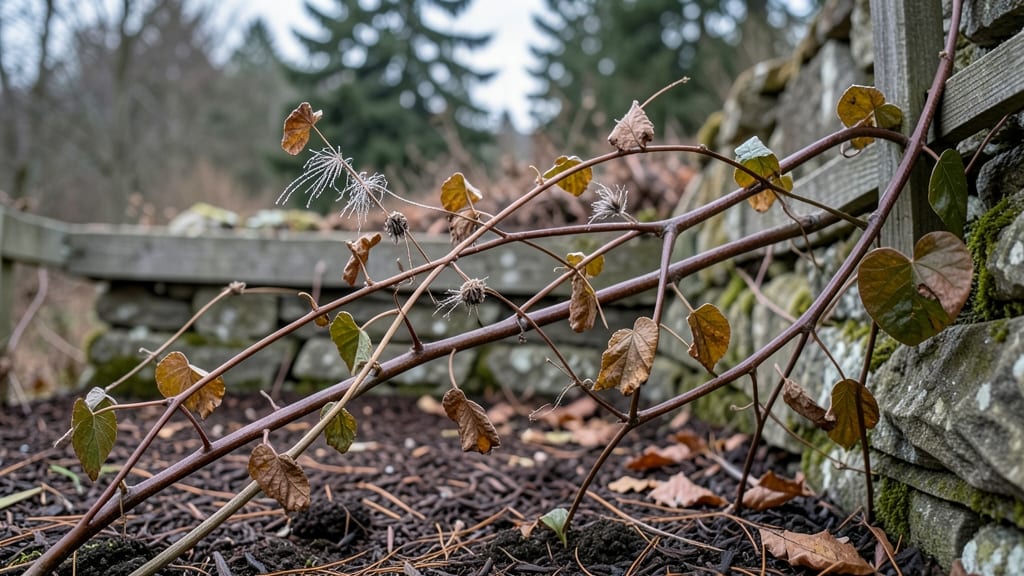
Clematis armandii thrives in winter when most vines give up—its evergreen leaves and delicate blooms keep your garden alive during the coldest months. 🌿 I’ve watched mine stand tall through 20°F winters, their glossy foliage turning crisp with frost, only to rebound with fresh growth by spring. The key isn’t just hardiness—it’s knowing when to prune, how to protect young shoots, and which winter tasks actually help (or hurt) these resilient climbers.
This clematis handles winter better than most because it’s not just tough—it’s strategic. While other varieties need heavy mulch or frost blankets, Armandii often just needs a 3-inch layer of shredded bark around its base to insulate roots.
The real work happens in late winter, when you trim back last year’s growth to encourage spring blooms—but only after the last hard freeze, or you’ll risk losing next year’s flowers.
By late winter, you’ll notice new growth pushing through the mulch, proof that the plant is already preparing for another season. The evergreen leaves stay vibrant even under snow, and those early blooms arrive just as other gardens are still waking up.
It’s the kind of vine that makes winter gardening feel like a victory, not a waiting game.
Works in zones 6-9 without fuss, though in colder areas, a microclimate spot (like a south-facing wall) gives it that extra edge. The only mistake I’ve made? Pruning too early—always wait until late February or March, when new buds are visible. Patience here means more blooms later.
📚 In This Guide
- What you need
- Instructions
- Tips and common mistakes
- Wrapping up and next steps
What you need
- ● Pruning shears: Sharp, clean pair (bypass pruners recommended) to trim dead or weak stems.
- ● Organic mulch: 2–3 inches of shredded bark, straw, or pine needles (cover the root zone only).
- ● Garden twine or soft ties: 10–15 feet (for staking or securing vines if needed).
- ● Balanced fertilizer: 10-10-10 or similar (1–2 tbsp per plant, applied in early spring).
- ● Watering can or hose: For deep watering (1–2 gallons per plant during dry spells).
- ○ Burlap or frost cloth: 1–2 sheets (optional but helpful for extra protection in harsh winters).
- ● Gloves: Heavy-duty gardening gloves (to protect hands during pruning).
- ● Garden fork: For aerating soil around roots if compacted.
- ○ Anti-desiccant spray: (Optional) Wax-based spray to coat foliage in extreme cold (<20°F).
- ● Stakes or trellis: If your vine needs support (3–4 ft tall for mature plants).
Instructions for protecting clematis armandii through winter
Here’s how to keep your evergreen clematis thriving—no matter how harsh winter gets.
☀️ Step 1: Assess Your Plant’s Winter Hardiness Zone
Clematis Armandii handles cold down to USDA Zone 6, but if you’re in Zone 7 or colder, take extra precautions. Start by checking your plant’s current location—full sun spots stay colder at night, while sheltered areas near walls or fences offer natural protection. If your vine sits in an exposed spot, consider relocating it closer to the house or under a south-facing wall before winter hits.
Dig around the base to inspect the roots—healthy roots should feel firm and not mushy. If you notice any damage or soft spots, trim away dead sections with sterilized pruners and apply a 2-inch layer of mulch (like shredded bark) to insulate the soil. This prevents frost from penetrating and keeps roots warm.
🪴 Step 2: Wrap the Base and Protect the Crown
Focus on shielding the crown (where stems meet the soil) and the lower stems, as these are the most vulnerable. Use burlap, frost cloth, or even an old blanket to wrap the base tightly, leaving the top few feet of vine exposed. Secure it with twine or stakes so wind doesn’t tear it away. For extra insulation, stuff the wrapped area with straw or leaves—this traps heat and keeps cold air out.
If your clematis climbs a trellis or arbor, leave the upper stems uncovered. The evergreen foliage already provides some protection, but avoid piling heavy materials (like snow) on the branches. Instead, gently brush off any accumulation to prevent breakage. This step is all about balancing protection without smothering the plant.
✂️ Step 3: Prune Lightly in Late Winter (Before New Growth)
Wait until late winter (just as buds begin to swell) to prune—never cut back in fall. Clematis Armandii blooms on old wood, so avoid heavy pruning. Instead, remove only dead, broken, or crossing branches with clean, sharp pruners. Cut just above a healthy bud or node, angled slightly away from the stem to encourage water runoff.
If your vine looks overgrown, you can lightly trim back 10-20% of the oldest stems to encourage new growth in spring. But resist the urge to prune heavily—this evergreen relies on its foliage for winter protection. After pruning, apply a balanced fertilizer (like 10-10-10) around the base to support early spring recovery.
💧 Step 4: Monitor Moisture and Adjust Watering
Winter watering is tricky—too much can drown roots, but too little leaves them dry and brittle. Check soil moisture every 2-3 weeks by sticking your finger 2 inches deep. If it feels dry, give a deep watering (about 1 gallon per plant) to keep roots hydrated without soggy soil. Avoid wetting the foliage, as frozen leaves can lead to rot.
If your area gets freezing rain or heavy snow, gently shake off accumulation to prevent branches from snapping. Evergreen clematis can handle some snow, but too much weight stresses the structure. A light brushing with a broom (when safe) keeps the plant stable. This step is about balance—keep roots moist but never waterlogged.
⏰ Step 5: Uncover and Inspect in Early Spring
As soon as daytime temperatures consistently stay above 40°F, remove the winter wrap and mulch. Gently brush off any remaining debris and check for pests or damage. Look for signs of scale insects (tiny bumps on stems) or fungus (black spots on leaves). Treat with neem oil if needed, following package instructions for evergreens.
Once uncovered, water deeply to rehydrate the roots and apply a slow-release fertilizer to kickstart growth. Clematis Armandii should show new shoots within 3-4 weeks—if not, reassess sunlight, soil drainage, or pruning habits. This is your chance to catch any issues before they become major problems.
Tips & tricks for protecting clematis armandii through winter
Here's what nobody tells you about keeping your clematis thriving through winter—these are the details that separate a struggling vine from one that thrives.
Location Matters: In Step 1, if you're in Zone 7 or colder, don't just wrap your plant—relocate it if possible. The south-facing wall mentioned creates a microclimate that can add 5-10°F of protection. I've seen clematis survive winters in Zone 6 with no issues when placed against brick walls, while identical plants in full sun without protection struggled. This is especially important for younger plants still establishing roots.
Pruning Precision: When pruning in late winter (Step 3), focus on the "old wood" principle—this means cutting just above a healthy bud that faces outward. I learned this the hard way after pruning too aggressively and losing some blooms. The 10-20% trim recommendation is perfect—any more risks exposing too much bare stem. Use a sharp pair of pruners and make clean cuts at a 45-degree angle to prevent water from pooling at the cut site.
Winter Watering Strategy: The 2-3 week moisture check in Step 4 is crucial, but here's what I do differently: I water in the morning when temperatures are above freezing. This gives the soil time to absorb moisture before nighttime cold sets in. Also, use a soaker hose if possible—it delivers water directly to the roots without wetting the foliage, which is exactly what we want to avoid during winter.
Spring Transition: The 40°F threshold in Step 5 is your cue, but don't rush it. I wait until daytime temperatures consistently stay above 40°F for at least a week before uncovering. This prevents cold snaps from shocking the plant after its winter protection. Once uncovered, I do a final inspection for any hidden pests that might have overwintered in the protected areas—especially in the crown region.
Pro Tips for Clematis Armandii Winter
- Here's what nobody tells you about keeping your clematis thriving through winter—these are the details that separate a struggling vine from one that thrives.
- Location Matters: In Step 1, if you're in Zone 7 or colder, don't just wrap your plant—relocate it if possible.
- Pruning Precision: When pruning in late winter (Step 3), focus on the "old wood" principle—this means cutting just above a healthy bud that faces outward.
Frequently asked questions
How cold can Clematis armandii tolerate in winter?
Clematis armandii is one of the hardiest clematis varieties, surviving temperatures as low as -20°F (-29°C). Its evergreen leaves may scorch in extreme cold, but the plant itself rarely suffers permanent damage. Mulch heavily (3–4 inches) around the base to protect roots and stems.
Should I cut back Clematis armandii in winter?
Unlike deciduous clematis, C. armandii benefits from minimal pruning in late winter (February–March). Trim only dead or crossing stems—never more than 1/3 of the plant—to preserve its structure and encourage spring blooms. Avoid heavy pruning; this vine blooms on old wood!
Why are my Clematis armandii leaves turning brown in winter?
Brown, crispy leaves are normal in harsh winters, but yellowing or wilting signals overwatering or poor drainage. Ensure the soil drains well, and water sparingly in winter. If leaves stay green but brittle, they’re just cold-stressed—no cause for alarm unless the stems die back.
Can I grow Clematis armandii in containers for winter?
Yes! Plant it in a large container with well-draining soil and move it to a sheltered spot (like a garage or unheated shed) when temps drop below 20°F (-7°C). Use a breathable frost blanket to wrap the pot and stems. Resume outdoor placement in early spring.
Will Clematis armandii bloom in winter?
Unlikely! This clematis typically blooms in late winter to early spring, with sporadic flowers in fall. Its real star power is its evergreen foliage, which adds year-round texture and color. For winter blooms, pair it with Clematis montana or Clematis cirrhosa.
Wrapping up and next steps
Caring for Clematis armandii in winter is all about preparation and patience—your evergreen vine will reward you with stunning blooms and lush foliage year-round! 🌿 With the right pruning, mulching, and protection, you can keep this hardy beauty thriving even in cold climates.
Whether you’re a seasoned gardener or just starting, these steps make winter maintenance simple and effective.
Ready to give your Clematis armandii the best care? Grab your gloves, check your supplies, and take action this season—your garden will thank you with vibrant growth come spring!