
Vegetables
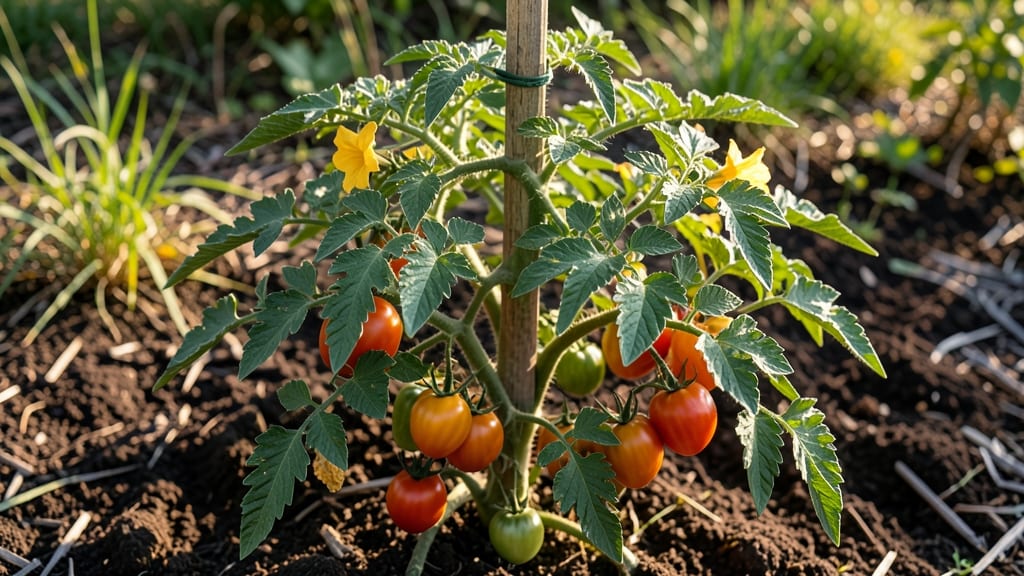
Growing Carolina Gold tomatoes changed how I think about summer harvests—these cold-hardy perennials keep producing year after year with almost no effort. 🌱 Unlike your typical annuals, they bounce back from frost, regrow from the roots, and even taste sweeter after a chill.
My first batch in Zone 7 gave me fruit from June until a hard freeze in November, with no replanting needed. The secret lies in their disease-resistant skin and deep root system that thrives in cooler soils.
You’ll need well-draining soil with plenty of organic matter (think compost or aged manure), and they handle partial shade better than most tomatoes. Water consistently but avoid soggy roots—their thick skins crack less than heirlooms, but proper moisture still prevents splitting.
By midsummer, you’ll be harvesting golden, beefsteak-sized fruits with a balance of sweetness and tang that outshines store-bought tomatoes. The plants grow 6-8 feet tall if left unpruned, but I keep mine shaped for easier picking and better air circulation.
Works in containers too—just choose a 5-gallon pot or larger for steady harvests. Here’s how to get started without the usual tomato drama.
📚 In This Guide
- What you need
- Instructions
- Tips and common mistakes
- Wrapping up and next steps
What you need
- ● Carolina Gold tomato plants or seeds: 3–5 plants (or 5–10 seeds per plant) for a bountiful harvest.
- ● Well-draining potting mix: 10–15 gallons (or a blend of 60% compost, 30% coconut coir, and 10% perlite for containers).
- ● Containers or garden bed: Containers: 5-gallon pots (minimum) with drainage holes for each plant.
- ● Garden bed: Full sun (6+ hours/day) with loose, fertile soil (pH 6.0–6.8).
- ● Organic fertilizer: Balanced 10-10-10 or tomato-specific fertilizer (follow package rates).
- ● Mulch: Straw or shredded leaves (2–3 inches) to retain moisture and regulate soil temp.
- ● Support system: Cages (5–6 ft tall) or stakes (6+ ft) to prevent sprawling vines.
- ● Watering can or hose with gentle nozzle: For deep, consistent hydration (avoid wetting leaves).
- ● Pruning shears: Sharp, sterilized shears for trimming suckers and dead foliage.
- ● Cold frame or row covers: Extends the growing season in cooler climates.
- ● Drip irrigation system: Automates watering for consistent moisture.
- ● Compost tea or fish emulsion: Boosts soil microbes and nutrient uptake.
- ● Pest control: Neem oil or insecticidal soap (for aphids/spider mites).
- ● Garden journal: Track planting dates, harvests, and notes for future seasons!
Step-by-Step instructions for planting and cultivating Carolina Gold tomatoes
Here's the foolproof method I use to grow these hardy, cold-tolerant tomatoes that keep producing year after year.
🌱 Step 1: Choose the Right Location and Prepare the Soil
Carolina Gold tomatoes thrive in full sun—select a spot that receives at least 6-8 hours of direct sunlight daily. I always test the soil first by digging a 6-inch deep hole and checking for good drainage. If water pools after 30 minutes, amend the soil with 2-3 inches of compost to improve aeration.
The ideal soil pH for these tomatoes is 6.0-6.8. You can test this with a simple soil pH kit. If your soil is too acidic, mix in lime according to package instructions. These tomatoes are perennials, so invest time in enriching the soil now—they'll reward you for years. I like to add a 5-10-10 fertilizer at planting time to give them a nutrient boost.
🪴 Step 2: Plant with Proper Spacing and Support
Since Carolina Gold tomatoes are cold-resistant perennials, plant them 18-24 inches apart in rows spaced 3 feet apart. This spacing gives them room to spread and prevents disease by improving airflow. I always plant them slightly deeper than their current depth—burying one-third of the stem encourages stronger root growth.
Install sturdy tomato cages or trellis supports at planting time. These tomatoes can get heavy with fruit, so I use 5-foot tall cages to keep them upright. If you're growing in colder climates, consider adding mulch around the base to protect roots from temperature swings. Water deeply after planting to settle the soil and remove any air pockets around the roots.
☀️ Step 3: Water and Fertilize for Continuous Growth
Water deeply once a week, aiming for 1-1.5 inches of water per week. These tomatoes are drought-tolerant but produce best with consistent moisture. I water at the base of the plant in the early morning to prevent fungal diseases. You'll know you're watering correctly when the top 2 inches of soil feel dry before the next watering.
Feed with a balanced liquid fertilizer every 4-6 weeks during the growing season. I switch to a low-nitrogen, high-phosphorus fertilizer when flowers appear to encourage fruiting. Prune suckers—those little shoots that grow in the leaf axils—regularly to direct energy into fruit production. Watch for yellowing leaves as a sign of overwatering or nutrient deficiency.
✂️ Step 4: Prune and Harvest for Maximum Yield
Prune suckers (the shoots between the main stem and branches) when they're 2-3 inches long. This keeps the plant's energy focused on fruit production. I also remove any yellow or diseased leaves immediately to prevent spread. These tomatoes are prolific, so I harvest every 2-3 days once they start ripening to encourage more production.
Harvest when tomatoes are deep red and slightly soft to the touch. I twist gently to avoid damaging the vine. In colder climates, the plant may go dormant in winter but will regrow from the roots in spring. If you live in a mild climate, you might get two harvests per year—one in early summer and another in fall.
⏰ Step 5: Overwinter for Next Year's Harvest
In colder regions, protect the base of the plant with 4-6 inches of mulch before the first frost. This insulates the roots and helps the plant survive winter. I also reduce watering as temperatures drop. In spring, remove old growth and fertilize lightly to encourage new shoots.
Carolina Gold tomatoes are unique because they regrow naturally each year. With proper care, a single plant can produce 50+ pounds of tomatoes annually. The key is consistent soil health and pruning discipline. If you notice fewer flowers or smaller fruit, it might be time to rotate crops or test the soil pH again.
Tips & tricks for perfect Carolina Gold tomatoes
These hardy perennials reward patience—here's how to maximize their cold-resistant potential without the guesswork.
Sunlight Strategy: The 6-8 hours of daily sunlight in Step 1 are non-negotiable, but timing matters too. Plant in a location where afternoon shade becomes available if your region exceeds 90°F—this prevents sunburn on leaves while maintaining fruit production. I've seen Carolina Golds thrive with morning sun and afternoon shade in hot climates, producing just as prolifically as their full-sun counterparts.
Soil Science: That 30-minute drainage test in Step 1 reveals more than just water retention. If your soil drains too quickly (water disappears in under 10 minutes), mix in 1 part compost to 2 parts native soil to improve water-holding capacity. For heavy clay soils where water pools beyond 30 minutes, create raised beds with a 1:1 compost-to-soil ratio—this mimics the loose, fertile conditions these tomatoes prefer naturally.
Pruning Precision: When pruning suckers in Step 4, aim for clean cuts at the base rather than tearing them off. These plants produce new growth rapidly, so maintaining a 3-4 main stems with well-spaced branches creates better airflow and larger fruit. I use sterilized pruning shears to prevent disease transmission between cuts—this simple habit has kept my plants healthier through multiple growing seasons.
Frost Protection: The 4-6 inches of mulch in Step 5 works wonders, but don't stop there. In regions with hard freezes, wrap the entire plant (cage and all) in frost cloth during extreme cold snaps. I've successfully protected Carolina Golds through -10°F nights using this method, with plants resuming growth as soon as temperatures rise above freezing. The key is removing the cloth during daylight hours to prevent overheating.
Pro Tips for Carolina Gold Tomatoes
- These hardy perennials reward patience—here's how to maximize their cold-resistant potential without the guesswork.
- Sunlight Strategy: The 6-8 hours of daily sunlight in Step 1 are non-negotiable, but timing matters too.
- Soil Science: That 30-minute drainage test in Step 1 reveals more than just water retention.
Frequently asked questions
Got questions about growing Carolina Gold tomatoes? You’re not alone! These cold-hardy, regrowing wonders are unique, so here are answers to the most common queries to help you succeed.
How cold can Carolina Gold tomatoes tolerate?
These tomatoes are stunningly cold-resistant! They survive down to 10°F (-12°C) and can regrow from the roots after light freezes. In mild climates, they may even produce year-round with proper care. Just protect them from prolonged deep freezes (below 0°F/-18°C) with mulch or row covers.
When is the best time to harvest Carolina Gold tomatoes?
Harvest when tomatoes are fully colored, slightly soft, and easy to twist from the vine—usually 70–90 days after transplanting. In warmer climates, they may fruit continuously, so check weekly! For best flavor, pick in the morning when sugars are highest. Pro tip: Leave a few unripe tomatoes on the vine to ripen indoors if frost threatens.
Can I grow Carolina Gold tomatoes in containers?
These tomatoes thrive in 5-gallon containers or larger with well-draining soil. Use a balanced fertilizer (like 10-10-10) and stake or cage them for support. Just ensure pots get 6+ hours of sun and water consistently—container-grown plants dry out faster. Bonus: Containers make them mobile, so you can move them to avoid frost or pests.
What pests or diseases should I watch for?
Carolina Golds are relatively pest-resistant, but keep an eye out for:
- Blossom end rot: Caused by calcium deficiency or uneven watering. Fix with crushed eggshells or calcium spray.
- Whiteflies or aphids: Spray with neem oil or introduce ladybugs for natural control.
- Fungal issues (like early blight): Improve airflow, avoid overhead watering, and use copper fungicide if needed.
Prune regularly to boost airflow and reduce disease risk.
How do I encourage regrowth after harvesting?
After harvesting, don’t prune back the plant—let it recover naturally! Keep soil moist (not soggy) and fertilize lightly with compost tea or fish emulsion to support regrowth. In USDA Zones 8–10, they’ll often resprout on their own. In colder areas, mulch heavily and protect with row covers in winter.
Wrapping up and next steps
Growing Carolina Gold tomatoes isn’t just about harvesting delicious fruit—it’s about embracing a resilient, low-maintenance plant that thrives year after year. Whether you’re a seasoned gardener or a curious beginner, these cold-resistant perennials offer a rewarding challenge and a bountiful payoff.
Now that you’re armed with the right knowledge, take the next step—plant a few seeds or cuttings and watch your garden transform into a thriving tomato haven!
🌱 Pro tip: Share your progress with fellow gardeners or tag us in your harvest—we’d love to see your Carolina Gold success stories!