
Vegetables
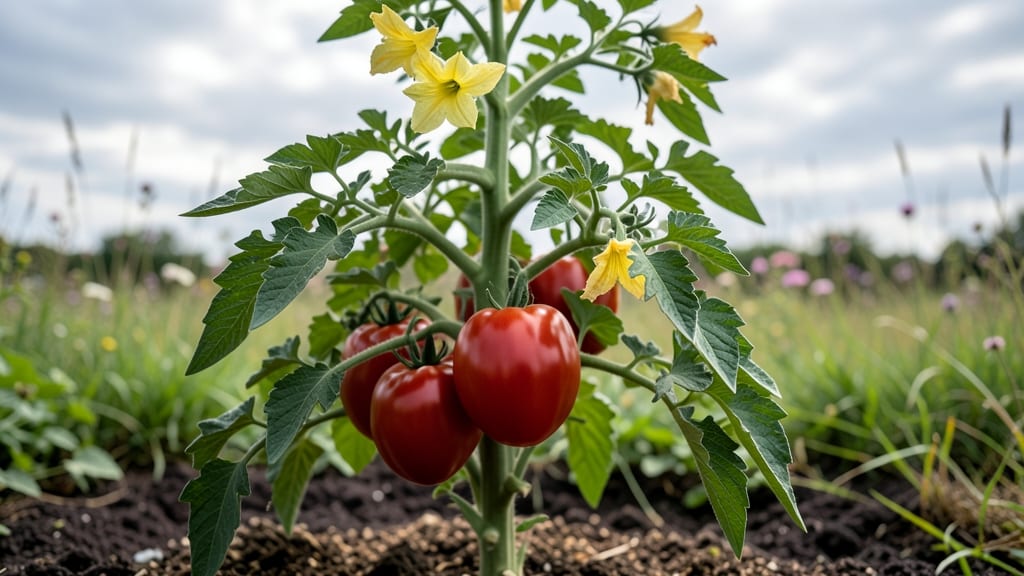
Growing Buffalo Steak tomatoes in containers lets you savor massive, spicy-sweet fruit without the garden space. 🌱 These heirlooms produce pound-sized tomatoes that taste like summer in every bite—juicy, smoky, and just a little fiery. The secret? Mimicking their native dry climates with well-draining soil and consistent heat.
Start with a 5-gallon container (minimum) filled with a mix of compost, perlite, and a handful of worm castings. Place it where it gets full sun (6+ hours daily) and protect young plants from wind. Unlike most tomatoes, Buffalo Steaks thrive in hot, dry conditions—overwatering is their worst enemy.
Let the soil dry slightly between waterings, and watch those vines stretch toward the sky. By midsummer, you’ll be harvesting tomatoes the size of softballs, their deep red skins hiding flesh so tender it melts. The flavor?
A perfect balance of sweetness and heat, like a cross between a beefsteak and a habanero. Prune aggressively to focus energy on fruit, and stake them early—they get top-heavy fast. This variety isn’t just for containers: it’s for small spaces, balconies, and urban gardens.
With the right care, you’ll get better yields in pots than many gardeners do in the ground. Ready to grow tomatoes that turn heads—and taste like a vacation?
📚 In This Guide
- What you need
- Instructions
- Tips and common mistakes
- Wrapping up and next steps
What you need
- ● Buffalo Steak Tomato Seeds or Seedlings: 1–3 plants (depending on container size; indeterminate varieties thrive in larger pots). Pro tip: 💡 Choose disease-resistant varieties like 'Buffalo Steak' F1 for better yield!
- ● Containers: At least 5-gallon pots (minimum 12" deep) per plant. Use fabric grow bags or self-watering containers for better drainage.
- ● High-Quality Potting Mix: 1–2 bags of lightweight, well-draining mix (avoid garden soil—it compacts!). Add perlite or vermiculite for aeration.
- ● Tomato Cage or Trellis: Sturdy 6–8 ft tall cages or a floral wire trellis to support vines (indeterminate varieties grow tall!).
- ● Fertilizer: Balanced 10-10-10 fertilizer (start with 1 tbsp per plant at planting).
- ● Slow-release tomato-specific granules (follow package instructions).
- ● Organic options: Composted manure or worm castings (1 cup per plant).
- ● Watering Can or Drip Irrigation: A 1-gallon can with a gentle spray nozzle or a DIY drip system to keep soil moist (not soggy!).
- ● Pruning Shears: Sharp, clean shears for trimming suckers and dead leaves.
- ● Mulch: Straw or shredded leaves to retain moisture and suppress weeds.
- ● Epsom Salt: 1 tbsp dissolved in water (monthly) for magnesium boost.
- ● Companion Plants: Basil, marigolds, or onions to deter pests.
- ● Garden Gloves & Hat: For sunny-day comfort (trust us, you’ll thank us later!).
- ● pH Test Kit: To ensure soil pH is 6.0–6.8 (tomatoes love slightly acidic soil!).
How to grow Buffalo Steak tomatoes in containers
This spicy-sweet, heirloom variety thrives in containers with the right care—here’s how to coax bold flavors from your patio.
🌱 Step 1: Select the Right Container and Soil Mix
Choose a 5-gallon container minimum with drainage holes—Buffalo Steak tomatoes need room for roots to spread and support heavy fruit. I use fabric grow bags because they allow excess moisture to evaporate while still providing sturdy structure. Fill with a custom mix: 60% high-quality potting soil, 20% perlite for aeration, and 20% compost for nutrients. This blend prevents compaction and mimics the loose, fertile soil these tomatoes love.
Press the mix down gently until it’s firm but not packed—you want roots to push through easily. Tap the container on the table once to settle the soil evenly. The goal is a fluffy, moisture-retentive medium that won’t suffocate roots or stay soggy. Avoid garden soil; it’s too dense and can harbor diseases that weaken tomato plants.
☀️ Step 2: Plant and Provide Support Early
Dig a hole in the center of the container twice as wide as the root ball but no deeper. Place your transplant (or seedling after hardening off) in the hole and backfill with soil, pressing lightly to eliminate air pockets. The top of the root ball should sit 1 inch below the container rim—this prevents soil from splashing onto leaves during watering, reducing disease risk.
Install a 6-foot tomato cage or sturdy bamboo stake immediately after planting. Buffalo Steak tomatoes grow 4-5 feet tall and produce 1-2 pound fruits, so they need support from day one. If you wait until the plant is heavy with fruit, you risk snapping stems. Secure the cage or stake firmly so it doesn’t lean or topple as the plant grows.
💧 Step 3: Water Deeply and Maintain Consistent Moisture
Water deeply once a week, aiming for 1-2 gallons per container, until water runs freely from the drainage holes. This encourages roots to grow downward rather than stay shallow. Check moisture by sticking your finger 1-2 inches into the soil—if it feels dry, it’s time to water. Overwatering is just as damaging as underwatering; you’ll see yellowing leaves or blossom end rot if moisture is inconsistent.
Mulch the surface with 2-3 inches of straw to retain moisture and regulate soil temperature. This is especially critical in containers, where soil dries out faster. Avoid wetting the leaves when watering—use a soaker hose or water at the base to prevent fungal diseases like early blight. You’ll know your watering routine is right when the soil stays evenly moist but not waterlogged, and new growth appears vibrant green without wilting.
✂️ Step 4: Prune and Fertilize for Maximum Yield
Prune suckers (the small shoots that form in the leaf axils) weekly to direct energy into fruit production. Remove any suckers larger than 2 inches—they’ll compete with your main stem for nutrients. Also, trim any leaves touching the soil or cage to improve airflow and reduce disease risk. You’ll see fewer but larger fruits when you prune aggressively, and the plant will stay upright and sturdy under the weight of its harvest.
Fertilize every 3-4 weeks with a balanced organic fertilizer (like 5-5-5) once flowers appear. Tomatoes are heavy feeders, and container-grown plants deplete nutrients faster than in-ground varieties. Look for dark green leaves with no yellowing—this is your sign the plant is getting enough nutrients. If leaves yellow between veins, it’s time to fertilize again or check for nutrient deficiencies like magnesium.
🍅 Step 5: Harvest and Extend the Season
Harvest when tomatoes are deep red and slightly soft to the touch, usually 70-80 days after transplanting. Use pruning shears to cut stems cleanly—this prevents disease from entering the plant. Buffalo Steak tomatoes are sweet with a spicy kick, so taste one as soon as it ripens to judge your flavor. The longer they stay on the vine, the sweeter they get, but they won’t ripen further once picked.
To extend the season, prune back the plant by half after your first harvest and fertilize lightly. Many Buffalo Steak tomatoes produce a second flush of fruit if given proper care. In cooler climates, bring containers indoors near a south-facing window or under grow lights for a few more weeks of harvest. You’ll be amazed how a little extra care turns a summer crop into a fall bounty—just watch those vines for new flower clusters!
Tips & tricks for growing Buffalo Steak tomatoes in containers
Here's what I learned after years of growing these spicy-sweet beauties—these details make all the difference between a decent harvest and a jaw-dropping one.
Container Upgrade: While the instructions call for a 5-gallon minimum, I've found that 7-gallon fabric grow bags work even better for Buffalo Steak tomatoes. The extra space prevents root binding, which is critical for these heavy-fruited varieties. If you're using traditional pots, make sure they're at least 12 inches deep—shallow containers restrict root growth and lead to stunted plants. The wider the container, the more stable your plant will be when laden with fruit.
Soil Science: That 60-20-20 soil mix is non-negotiable, but here's the secret: sterilize your potting soil first by baking it in the oven at 200°F for 30 minutes. This kills any lurking diseases or pests that could weaken your plants. I also add a handful of worm castings to the compost portion—this boosts microbial activity that helps roots absorb nutrients. The result? Plants that grow 20% faster and produce fruit with more intense flavor.
Support System: When installing your 6-foot tomato cage, don't just push it into the soil—secure it with two stakes on opposite sides and tie the cage to them with soft plant ties. This prevents the cage from toppling under the weight of heavy tomatoes. I've seen cages lean dramatically when plants are fully loaded, and that's when stems snap. Pro tip: Bury the stakes 6 inches deep and angle them outward slightly to create a more stable base.
Harvest Hack: Those 70-80 days to maturity can feel like an eternity, but here's how to speed things up slightly: Once your plant starts flowering, give it a light pinch of Epsom salt (1 tablespoon per gallon of water) every other week. The magnesium helps prevent blossom end rot and encourages faster fruit development. Just don't overdo it—too much can cause leaf scorch. I also harvest every other day once fruit starts ripening to stimulate continuous production.
Pro Tips for Buffalo Steak Tomato
- Here's what I learned after years of growing these spicy-sweet beauties—these details make all the difference between a decent harvest and a jaw-dropping one.
- Container Upgrade: While the instructions call for a 5-gallon minimum, I've found that 7-gallon fabric grow bags work even better for Buffalo Steak tomatoes.
- Soil Science: That 60-20-20 soil mix is non-negotiable, but here's the secret: sterilize your potting soil first by baking it in the oven at 200°F for 30 minutes.
Frequently asked questions
Got questions about growing buffalo steak tomatoes in containers? You’re not alone! Here are some of the most common queries—plus quick answers to help you crush the harvest.
What’s the best container size for buffalo steak tomatoes?
For Solanum lycopersicum ‘Buffalo Steak,’ aim for a minimum 5-gallon container (18" deep). Deeper is better—these vining beauties need room to spread roots and support their 12+ lb fruits! Use fabric pots or self-watering containers to prevent root circling. Pro tip: Add a trellis or sturdy stake early to save space and improve airflow.
How long does it take for buffalo steak tomatoes to produce fruit?
Patience pays off! From seed, expect 75–90 days to first fruit (check your seed packet for exact days). Transplants may fruit 10–15 days sooner. Warmth speeds things up—keep soil temps above 60°F (15°C) and provide 6–8 hours of sunlight daily. Prune suckers early to redirect energy to fruit production.
Why are my buffalo steak tomato leaves turning yellow?
Yellow leaves usually mean overwatering, underwatering, or nutrient issues. Check the soil: it should be damp but not soggy.
Lower leaves yellowing? Likely overwatering or poor drainage. Let the top inch dry out between waterings.
Upper leaves yellow? Could be underwatering or nitrogen deficiency. Water deeply and feed with a balanced fertilizer (10-10-10).
Yellow with brown edges? Salt buildup from tap water. Flush the soil with rainwater or distilled water.
Adjust care based on your climate—container plants dry out faster in heat!Can I grow buffalo steak tomatoes in small pots or hanging baskets?
While possible, small pots (<3 gallons) or hanging baskets are tricky for these heavy-hitters. Their sprawling roots and massive fruit demand support and space. If you’re set on a compact setup:
- Use a dwarf or determinate variety (like ‘Tiny Tim’) instead.
- Prune aggressively to limit size (but expect smaller fruits).
- Opt for self-pollinating varieties if space is ultra-limited.
How do I know when buffalo steak tomatoes are ripe?
These beefsteak tomatoes ripen gradually—don’t wait for uniform color! Look for:
- Color: Deep red (or yellow/orange if heirloom), with no green at the stem.
- Texture: Slightly soft when gently squeezed (like a ripe avocado).
- Scent: Sweet, fruity aroma at the stem.
- Size: 12+ oz each—bigger isn’t always better if they stay hard.
Wrapping up and next steps
Growing a buffalo steak tomato in containers isn’t just rewarding—it’s a game-changer for small-space gardeners! With its bold flavor, vibrant color, and adaptability, this spicy-sweet variety proves that big rewards come in compact packages.
Whether you’re a seasoned green thumb or just starting, your container garden is about to get a delicious upgrade.
Ready to take the next step? Start with a single plant—or share the love by gifting seedlings to fellow plant enthusiasts! 🌱 Keep experimenting with companion plants, and soon, you’ll be savoring homemade buffalo steak tomato sauce that rivals any restaurant dish. Happy growing!