
Vegetables
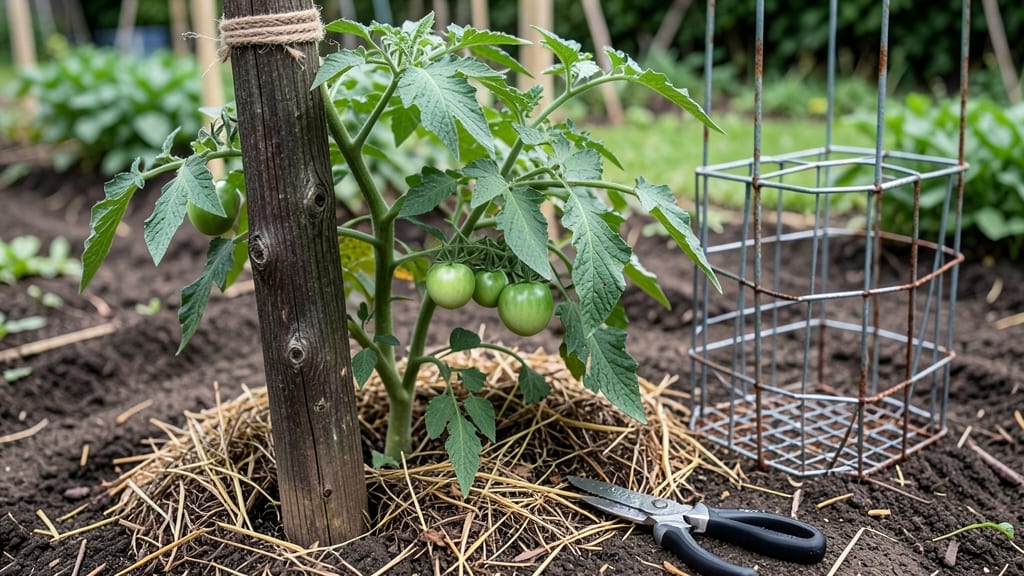
Growing Boxcar Willie tomatoes in containers changed everything—this cold-hardy perennial thrives where regular tomatoes fail. 🌱 After my first winter with a surviving plant, I never looked back. Unlike annuals, it comes back bigger each year, producing sweet, meaty fruit even in cooler climates.
The secret lies in its perennial nature—plant in well-draining soil with 50% organic matter, and keep it in full sun (6+ hours daily). Containers need at least 5-gallon size to support its sprawling habit. Water deeply but let soil dry slightly between sessions—overwatering is the #1 killer.
By late summer, you’ll harvest 1-inch cherry tomatoes with a balance of sweetness and tang. Prune aggressively in early spring to shape the plant, and fertilize lightly with compost tea every 4 weeks. Pests rarely bother this hardy variety, but watch for aphids on new growth.
Perfect for balconies, patios, or small spaces—this tomato keeps producing for 10+ years with minimal care. Here’s how to get started without the usual trial-and-error.
📚 In This Guide
- What you need
- Instructions
- Tips and common mistakes
- Wrapping up and next steps
What you need
- ● Container: At least 10-gallon fabric or plastic pot (or larger for multiple plants). Ensure it has drainage holes!
- ● Potting Mix: 2-3 cubic feet of high-quality, well-draining potting soil (avoid garden soil—it compacts too easily).
- ● Boxcar Willie Tomato Plant: 1-2 bare-root plants or young seedlings (available from specialty nurseries or seed swaps).
- ● Fertilizer: Balanced, slow-release granular fertilizer (e.g., 10-10-10) or organic options like composted manure.
- ● Support System: A 5-6 foot tall tomato cage, trellis, or sturdy stakes (perennial tomatoes need vertical support!).
- ● Watering Can or Hose: With a gentle spray nozzle for even moisture.
- ● Mulch: Straw or shredded leaves to retain moisture and regulate soil temperature.
- ● Self-Watering System: A drip irrigation kit or wicking bed to keep roots consistently moist.
- ● Pruning Shears: For trimming suckers and shaping the plant (sterilize blades with rubbing alcohol!).
- ● Row Cover or Frost Blanket: To protect young plants from late frosts or harsh winds.
- ● pH Test Kit: To monitor soil pH (ideal range: 6.0–6.8 for tomatoes).
- ● Compost Tea: A liquid boost for microbial activity in the soil.
Step-by-step instructions for growing Boxcar Willie tomatoes in containers
This cold-hardy perennial thrives in pots—here’s how to coax its legendary flavor and resilience.
🌱 Step 1: Select and Prepare the Right Container
Choose a 5-gallon container with drainage holes—Boxcar Willie’s sprawling roots need depth and airflow. I use fabric grow bags for their breathability, but a sturdy plastic or ceramic pot works too. Fill the bottom with 2 inches of coarse gravel to prevent root rot from water pooling.
This tomato’s perennial nature means it’ll outgrow a small pot fast. If you’re using a standard container, ensure it’s at least 18 inches deep and 12 inches wide to accommodate its vigorous growth. Drill extra holes if needed—Boxcar Willie hates soggy feet.
🌿 Step 2: Plant in Well-Draining, Fertile Soil
Mix equal parts potting soil and compost to create a loose, nutrient-rich medium. Boxcar Willie tolerates poor soil better than most tomatoes, but it still rewards you for giving it a fertile foundation. Avoid garden soil—it compacts in containers and suffocates roots.
Dig a hole twice as wide as the root ball but no deeper. Gently loosen the roots if they’re circling, then place the plant so the top of the root ball sits 1 inch below the soil line. This prevents stem rot while encouraging strong root growth. Water deeply to settle the soil around the roots.
☀️ Step 3: Position for Maximum Sun and Wind Protection
Boxcar Willie needs full sun (6-8 hours daily) to produce its signature sweet, tangy fruit. A south-facing spot is ideal, but if you’re in a hot climate, provide afternoon shade to prevent sunscald on the leaves. I’ve grown mine successfully on a covered patio with grow lights during cloudy stretches.
Place the container where it gets gentle breeze exposure—this strengthens stems and improves pollination. Avoid exposed wind tunnels, though. A 5-gallon bucket of water placed nearby helps regulate humidity and keeps the air around the plant moist, which is crucial for fruit set.
💧 Step 4: Water Deeply and Mulch to Retain Moisture
Water when the top 2 inches of soil feel dry—Boxcar Willie’s deep roots mean it’s drought-tolerant once established, but young plants need consistent moisture. I use a soaker hose to water deeply, ensuring the water reaches the bottom of the container. Avoid wetting the leaves to prevent disease.
Top with 2 inches of straw or wood chips to retain moisture and suppress weeds. Mulch also keeps roots cool in summer and insulates them in winter. Replenish as it breaks down—this tomato’s perennial habit means you’ll be mulching for years.
✂️ Step 5: Prune and Support for Maximum Yield
Boxcar Willie benefits from light pruning—remove suckers (the shoots that grow in the leaf axils) to direct energy into fruit production. I leave 2-3 main stems for a balanced plant. Use soft ties to secure the plant to a 6-foot tomato cage or sturdy stakes as it grows.
Pinch off the first few flowers if the plant is small—this encourages stronger growth before fruiting. Once established, let it go wild. Boxcar Willie’s indeterminate growth means it’ll keep producing until frost. Harvest regularly to encourage more blooms—ripe tomatoes are red with a hint of yellow, and they taste like nothing else.
Tips & tricks for perfect container-grown Boxcar Willie tomatoes
These hard-won strategies will help you coax the best flavor and resilience from your cold-hardy tomato—without the common pitfalls that trip up even experienced gardeners.
Container Size Matters: That 5-gallon minimum is non-negotiable for Boxcar Willie's sprawling roots, but here's the thing: if you're using a standard pot, go for 18 inches deep and 12 inches wide—this gives the roots room to establish without becoming root-bound. I've seen gardeners skimp on depth, and by summer, the plant becomes top-heavy and prone to tipping. Trust me, the extra space pays off in fruit production.
Soil Science for Perennials: While Boxcar Willie tolerates less-than-ideal soil, that doesn't mean you should skimp on quality. The equal parts potting soil and compost mix creates the perfect balance—compost provides nutrients, while potting soil ensures proper drainage. Pro tip: Add a handful of perlite to that mix if your local potting soil is particularly dense. This tomato's perennial nature means it'll be in that container for years, so don't cut corners on the foundation.
Sunlight Strategy: Those 6-8 hours of full sun are crucial, but here's what nobody tells you—position your container where it gets morning sun and afternoon shade in hot climates. I've had Boxcar Willies scorch in full afternoon sun, even with regular watering. If you're growing in a covered patio, supplement with grow lights for 4-6 hours daily during cloudy periods to maintain that sweet-tangy flavor profile. The light quality matters just as much as the quantity.
Pruning Precision: When removing suckers, aim to keep 2-3 main stems—this creates a balanced plant that puts energy into fruit production rather than excessive foliage. Here's my breakthrough: I prune suckers when they're about 2 inches long rather than waiting for them to grow larger. This reduces stress on the plant and keeps it more manageable. And remember, those first few flowers? Pinching them off might feel counterintuitive, but it's what builds a stronger plant for the long haul.
Pro Tips for Boxcar Willie Tomato
- These hard-won strategies will help you coax the best flavor and resilience from your cold-hardy tomato—without the common pitfalls that trip up even experienced gardeners.
- I've seen gardeners skimp on depth, and by summer, the plant becomes top-heavy and prone to tipping.
- Soil Science for Perennials: While Boxcar Willie tolerates less-than-ideal soil, that doesn't mean you should skimp on quality.
Frequently asked questions
Got questions about growing Boxcar Willie tomatoes? You’re not alone—this cold-hardy perennial is a game-changer, but it’s not your average tomato! Here’s what you need to know before diving in.
What makes Boxcar Willie different from regular tomatoes?
The Solanum lycopersicum var. cerasiforme (Boxcar Willie) is a cold-hardy perennial that thrives in USDA zones 7-10, unlike annual tomato varieties. It produces cherry-sized tomatoes year after year with minimal care, making it perfect for containers and small spaces. Plus, it’s disease-resistant and adapts to cooler temps—ideal for gardeners who love tomatoes but hate replanting!
Can Boxcar Willie survive winter in containers?
Yes! With proper protection, this tomato can overwinter in containers in zones 7-9. Move pots to a sheltered, unheated space (like a garage or basement) when temps drop below 20°F (-6°C). Use mulch or bubble wrap around the pot to insulate roots. In zone 10, it may even thrive outdoors year-round with light frost cloth in winter.
When is the best time to plant Boxcar Willie in containers?
For container growing, plant after the last frost in spring (April–May) when soil temps reach 60°F (15°C). If you’re overwintering, prune back in early spring and repot with fresh soil before new growth starts. Pro tip: Use a 5-gallon container minimum—smaller pots limit root growth and reduce yields.
How do I encourage bigger yields from Boxcar Willie?
This tomato loves sun (6+ hours daily) and well-draining soil mixed with compost. Prune aggressively to focus energy on fruit production—remove suckers (side shoots) and pinch back the top growth after flowering. Fertilize lightly with a balanced organic fertilizer (10-10-10) every 4-6 weeks, and water at the base to avoid fungal issues.
What’s a good alternative if Boxcar Willie doesn’t thrive in my climate?
If your zone is below 7 or summers are too hot, try these cold-hardy tomato alternatives:
- ‘Solar Fire’ tomato – Heat-tolerant and productive in containers.
- ‘Tumbling Tom’ (cherry tomato) – Trailing variety great for hanging pots.
- ‘Stupice’ tomato – Disease-resistant and cold-tolerant (zones 5-9).
- Ground cherries – Perennial-friendly and thrive in cooler temps.
For perennial options, also consider eggplant varieties like ‘Black Beauty’ (with winter protection) or pepper plants in milder zones.
Wrapping up and next steps
The Boxcar Willie tomato isn’t just a plant—it’s a game-changer for gardeners craving low-maintenance, cold-hardy, and bountiful harvests, even in containers! With its perennial resilience and compact growth, it proves that thriving tomatoes don’t require a greenhouse or endless care.
Whether you’re a beginner or a seasoned grower, this variety opens doors to creative, space-saving gardening and a taste of homegrown success year after year.
Ready to grow your own? Start small—plant your seeds or seedlings this season and watch your container garden transform! 🌱 Grab your supplies and dive in!