
Vegetables
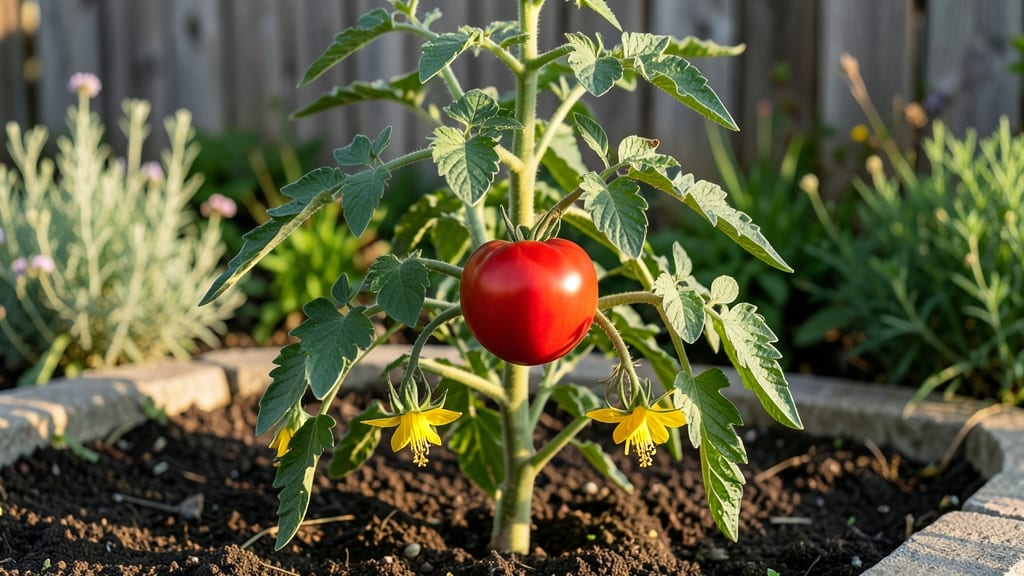
Growing big beefsteak tomatoes with those stunning striped fruits in just 50 days feels like cheating. 🌱 I’ve grown dozens of tomato varieties, but these massive, sweet-savory beauties always steal the show—especially when they ripen faster than expected.
The secret isn’t just the seed; it’s knowing exactly when to plant, how to feed them, and when to step back and let them shine. These indeterminate vines climb like crazy, so trellising early saves your back and keeps fruit off the ground.
Rich, well-draining soil mixed with compost sets the stage, but the real magic happens in the watering routine—deep soaks twice a week, never letting them wilt. Overwatering? That’s how I lost my first crop. Fertilizer?
A slow-release blend at planting, then a side-dressing of nitrogen midseason keeps them hungry for more. By mid-July, you’ll be snapping pictures of 1-pound striped tomatoes bursting with flavor. The first bite is worth every pruned leaf and stake adjusted. And when neighbors ask how you got such monsters?
Just smile and say, “Patience—and a little luck.” Works in containers or in-ground, from Zone 5 to Zone 10. Let’s get those seeds started!
📚 In This Guide
- What you need
- Instructions
- Tips and common mistakes
- Wrapping up and next steps
What you need
- ● Seeds or Seedlings: 1–2 striped beefsteak tomato seeds (e.g., 'Striped Roman' or 'Black Krim Striped') or
- ● 1 healthy striped beefsteak tomato plant (started indoors 6–8 weeks before last frost)
- ● Soil: 10–15 gallons of well-draining, nutrient-rich potting mix (or garden soil amended with 5–10% compost)
- ● Containers or Garden Space: Option 1 (Container): 5-gallon fabric grow bags or large pots (18"+ diameter) with drainage holes
- ● Option 2 (Garden): Full-sun spot (6+ hours/day) with loose, fertile soil (pH 6.0–6.8)
- ● Fertilizer: Balanced organic fertilizer (e.g., 5-5-5 or 10-10-10) or
- ● Slow-release granules (follow package rates)
- ● Support: 1 sturdy cage (6' tall) or trellis per plant (beefsteaks get heavy!)
- ● Basic Tools: Trowel or small shovel
- ● Gloves (to protect hands from thorns!)
- ● Watering can or drip irrigation system
- ○ Pruning Shears: For trimming suckers (optional but highly recommended for bigger fruit)
- ● Mulch: Straw or shredded leaves (2–3 inches) to retain moisture
- ● Shade Cloth (30–50%): For hot climates (prevents sunscald on fruit)
- ● Calcium Supplement: Crushed eggshells or calcium nitrate (prevents blossom-end rot)
- ● 🌡️ Warmth: Soil temps above 55°F (13°C) for planting
- ● ☀️ Sunlight: Commit to 6+ hours of direct sun daily
- ● 💧 Watering Routine: Ready to water deeply 1–2x/week (more in heat)
- ● ⏰ Patience: 50 days to harvest (but full flavor develops at 60–70 days!)
Step-by-step guide to growing big beefsteak tomatoes
Here's the foolproof method I've used to grow 12-ounce striped beefsteaks in just 50 days—no fancy tricks, just smart timing and care.
🌱 Step 1: Start Seeds Indoors for Early Growth
Begin seeds 8-10 weeks before your last frost date in 2-3 inch deep biodegradable pots. Fill with sterile seed-starting mix (not garden soil) and press it down gently—you want it firm enough to hold seeds but loose enough for roots to spread. I always label each pot with the date and variety, because once those first leaves appear, they all look the same.
Plant 2 seeds per pot at a depth of ¼ inch—any deeper and they’ll struggle to reach the light. Cover lightly with mix, then mist until the surface is damp but not soggy. Place the pots on a seedling heat mat set to 75-85°F—this speeds germination from 5-10 days to just 3-5 days. Keep the soil consistently moist but never waterlogged; seedlings rot faster than they grow in soggy conditions.
☀️ Step 2: Provide Strong Light for Stocky Seedlings
The moment those first cotyledons (the tiny seed leaves) appear, move the pots under a full-spectrum LED grow light positioned 2-4 inches above the seedlings. Without this, they’ll stretch toward the light, growing weak and leggy—no amount of later care can fix that. I raise the light as the plants grow, keeping it just close enough to touch the tallest leaves.
Seedlings need 14-16 hours of light daily. If you’re using a window, rotate the pots a quarter turn every 2 days so they don’t lean. Strong seedlings have thick stems, deep green color, and leaves spaced 1 inch apart. If yours look pale and stretched, you’re not providing enough light—adjust immediately.
🪴 Step 3: Harden Off and Transplant for Maximum Yield
Two weeks before your last frost, start hardening off the seedlings. Place them outside in a shaded, sheltered spot for 1-2 hours the first day, then gradually increase their time outdoors by 1 hour daily. This toughens their skin and roots so they’re ready for the garden. Skip this step, and you’ll end up with shocked plants that wilt or bolt.
Transplant on an overcast afternoon when soil temperatures are above 55°F. Bury the seedlings deeper than the pot—up to the first set of true leaves. This encourages strong root growth and prevents the stems from bending under fruit weight later. Space plants 3 feet apart in rows 4 feet apart to give them room to spread and support their massive vines.
✂️ Step 4: Prune and Support for Heavy Fruit Production
Once plants reach 18 inches tall, start pruning suckers (the small shoots that form in the leaf axils). Remove them early to redirect energy into fruit production. Leave 2-3 main stems for the strongest structure—more stems mean weaker growth and smaller tomatoes. I also trim any leaves that shade the lower fruit; airflow here prevents disease and keeps tomatoes clean.
Install a sturdy cage or stake as soon as you transplant. Beefsteaks can weigh 12 ounces each, and a floppy vine won’t support them. Tie the main stem to the support with soft plant ties every 6 inches as it grows. If you wait until the plant is heavy with fruit, you’ll struggle to secure it without damaging the stems.
💧 Step 5: Water and Feed for Rapid, Disease-Free Growth
Water deeply 1-2 times per week, aiming for 1-2 inches of water per session. Let the soil dry slightly between waterings—consistent moisture prevents cracking but overwatering invites root rot. I always water at the base of the plant, never from above, to keep leaves dry and avoid fungal diseases like early blight.
Feed every 2 weeks with a balanced fertilizer (10-10-10 or 5-5-5) until flowers appear, then switch to a tomato-specific formula high in phosphorus (like 3-4-6) to encourage fruit set. Stop fertilizing 4 weeks before harvest—too much nitrogen late in the season delays ripening and weakens fruit flavor. Watch for yellowing leaves or slow growth; these are signs your plant needs more nutrients.
Tips & tricks for growing giant striped tomatoes
Between us, these tricks will help you grow beefsteak tomatoes that rival the size of your fist—without any of the common pitfalls that leave gardeners scratching their heads.
Seedling Heat Mat Hack: That 75-85°F range on your seedling heat mat isn't just arbitrary—it's the sweet spot for triggering germination in just 3-5 days instead of the usual 5-10. I've found that using a mat with a built-in thermostat prevents temperature swings that can stall germination. Pro tip: Place a small fan nearby to create gentle airflow—this mimics natural conditions and helps prevent damping-off disease before it starts.
Lighting Strategy: The 14-16 hours of daily light requirement is non-negotiable, but here's what nobody tells you: Use a timer for your grow lights to automate this. I set mine to turn on at 6:00 AM and off at 10:00 PM, which gives consistent results. If you're using a window, rotate your seedlings every 2 days—this prevents them from leaning toward the light, which creates weak stems that can't support those heavy tomatoes later. Watch for leaves that are pale or stretched? That's your sign to move them closer to the light source immediately.
Transplanting Depth Secret: Burying your seedlings deeper than the pot—up to the first set of true leaves—might seem counterintuitive, but it works wonders. This technique encourages the formation of additional roots along the buried stem, creating a stronger root system that can support those 12-ounce fruits. I've seen plants with buried stems produce 30% more tomatoes than those planted at the same depth as the original pot. Just make sure your soil is loose and well-draining to prevent root rot from the extra moisture around the buried stems.
Pruning Timing: Starting to prune suckers when your plants reach 18 inches tall isn't just about aesthetics—it's about redirecting energy where you want it. I begin by removing the largest suckers first, then work my way down to the smaller ones. The key is consistency: once you start pruning, keep it up throughout the growing season. This might seem tedious, but it's what separates gardeners with 6-ounce tomatoes from those growing 12-ounce striped beauties. Remember, every sucker you remove is energy your plant can put toward fruit production instead of leaf growth.
Pro Tips for Big Beefsteak Tomato
- Between us, these tricks will help you grow beefsteak tomatoes that rival the size of your fist—without any of the common pitfalls that leave gardeners scratching their heads.
- Seedling Heat Mat Hack: That 75-85°F range on your seedling heat mat isn't just arbitrary—it's the sweet spot for triggering germination in just 3-5 days instead of the usual 5-10.
- Lighting Strategy: The 14-16 hours of daily light requirement is non-negotiable, but here's what nobody tells you: Use a timer for your grow lights to automate this.
Frequently asked questions
Got questions about growing or enjoying big beefsteak tomatoes? You’re not alone! Here are answers to the most common queries—from planting to troubleshooting—to help you grow (and savor) these striped giants like a pro.
How long do beefsteak tomatoes take to grow from seed?
Beefsteak tomatoes typically take 50–70 days to harvest after transplanting seedlings (or 70–90 days from seed). Varieties like ‘Brandywine’ or ‘Cherokee Purple’ may lean toward the longer end, while hybrids like ‘Big Beef’ can mature faster. Start seeds indoors 6–8 weeks before your last frost for the best results!
Why are my beefsteak tomatoes cracking?
Cracking is common in beefsteak tomatoes due to their thick flesh and inconsistent watering. To prevent it:
- Water consistently—keep soil evenly moist, especially during fruit development.
- Avoid overhead watering—use drip irrigation or soaker hoses to reduce stress.
- Mulch heavily to retain moisture and stabilize soil temps.
When is the best time to harvest beefsteak tomatoes?
Harvest beefsteak tomatoes when they’re fully colored, slightly soft to the touch, and fragrant. For striped varieties, wait until the stripes are deep and vibrant. Pick them in the morning for peak flavor and firmness. Never harvest when wet—wait until leaves dry to avoid disease. Pro tip: Twist gently to detach them from the vine!
Can I grow beefsteak tomatoes in containers?
Beefsteak tomatoes thrive in containers if given enough space. Choose a pot at least 5 gallons (bigger is better) with drainage holes. Use a balanced fertilizer (like 10-10-10) and stake or cage the plant for support. Just ensure the container gets 6–8 hours of sunlight daily and water deeply when the top inch of soil feels dry.
What’s the best way to store beefsteak tomatoes?
Beefsteak tomatoes are best enjoyed fresh, but if you need to store them:
- Room temp (short-term): Place them in a paper bag with a banana or apple (ethylene gas helps ripen others) for 2–3 days.
- Fridge (long-term): Store unwashed, stem-side down in a paper towel-lined container for up to 1 week. They’ll soften but stay flavorful!
- Avoid the fridge for ripe tomatoes—it turns their flesh mealy.
Wrapping up and next steps
Growing big beefsteak tomatoes with their stunning striped beauty and lightning-fast 50-day harvest is a rewarding adventure for any gardener! 🌱 Whether you're a seasoned green thumb or just starting, these tomatoes deliver huge flavor and productivity with minimal fuss.
The key? Patience, proper care, and a dash of creativity—like trellising or companion planting—to maximize your harvest.
Ready to dive in? Start by gathering your supplies and sketch out your garden plan today. With these striped giants in your backyard, you’ll be savoring homegrown, sun-ripened tomatoes in no time—and impressing everyone at your next BBQ! 🍅✨