
Vegetables
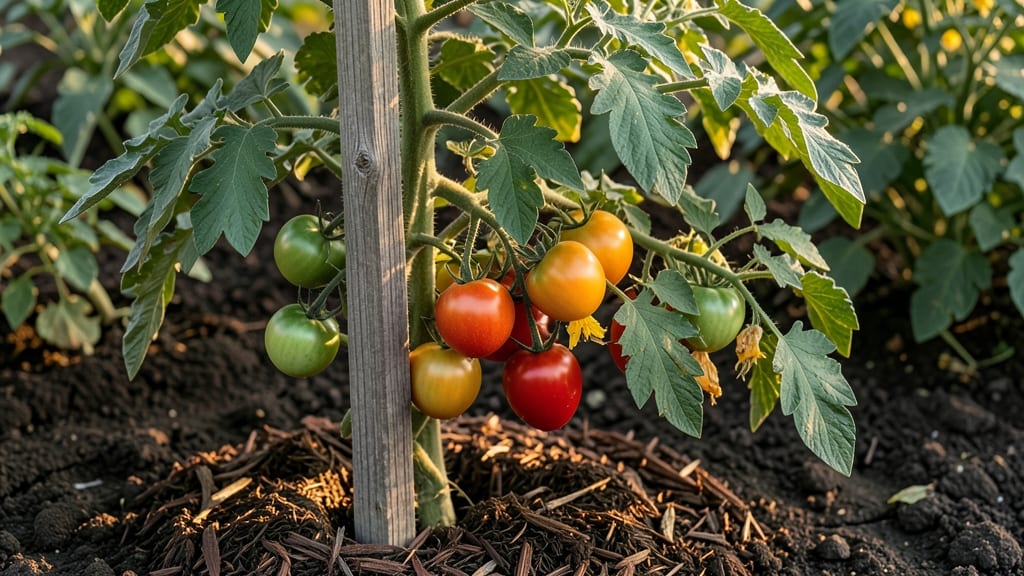
Nothing beats the satisfaction of growing beef stake tomatoes—those heavy, meaty fruits that make every summer salad worth the effort. 🌱 The catch? Without proper staking, those 1-pound beauties will drag your plants into the dirt before they ripen.
That’s where beef stakes come in: thick, durable, and built to handle the weight of monster tomatoes without bending or breaking.
I’ve tried everything from flimsy bamboo stakes to woven cages, but beef stakes—those 8-foot, 3-inch-wide wooden supports—are the only thing that’s kept my beefsteaks upright through 100-degree heat and 2-pound fruits.
The secret isn’t just the stake itself, though; it’s how you tie, prune, and water to keep the plant balanced. Skip this, and you’ll end up with a tangled mess of broken stems and split tomatoes.
By the end of summer, you’ll have vines climbing straight up, leaves reaching for the sky, and tomatoes hanging like red lanterns just begging to be sliced.
The stakes last for years, the plants stay disease-resistant, and you’ll finally get the harvest you’ve been dreaming of—no more flopping, no more wasted effort.
Whether you’re a first-time grower or a seasoned gardener upgrading your support system, this method works for raised beds, in-ground plots, and even containers. The key is starting early, choosing the right stakes, and giving your plants the care they need to grow strong from the ground up.
📚 In This Guide
- What you need
- Instructions
- Tips and common mistakes
- Wrapping up and next steps
What you need
- ● Beef stakes (or heavy-duty bamboo stakes): Quantity: 1 per tomato plant (or 2 for extra-large varieties like Brandywine or Sungold)
- ● Specs: 4–6 feet tall, ½–¾ inch diameter (thick enough to hold 2–3 lbs of tomatoes without bending!)
- ● Garden twine or soft plant ties: Quantity: 1–2 yards per stake
- ● Specs: Non-abrasive, biodegradable (avoid wire or plastic that can damage stems)
- ○ Optional upgrades: Stake clips or Velcro plant ties for easy adjustments as vines grow.
- ● Wooden dowels (2–3 ft) for extra support in windy areas.
- ● Galvanized screws (for permanent stakes in raised beds).
- ● Tomato plants already staked (or ready to transplant into the ground/containers).
- ● A sunny spot with well-draining soil (tomatoes hate soggy roots!).
- ● Patience! Beef stakes work best when installed early (at transplanting or when plants hit 12 inches tall).
How to build a sturdy beef tomato stake system
Here's the method I rely on for supporting massive beefsteak varieties—no more flopping plants, just steady growth.
🪴 Step 1: Select and Prepare Your Staking Materials
For beefsteaks, you need two 6-foot wooden stakes (2x2 inches or thicker) per plant—one on each side. I use untreated cedar because it resists rot better than pine. Drive each stake 4-6 inches deep into the soil at a 45-degree angle, about 12 inches apart from the plant's base. This creates a triangular support that won't topple when fruit swells.
If you're working with multiple plants, space stakes 18 inches apart in rows to allow easy movement between plants. For extra stability, tie the tops of the stakes together with twine or soft garden tape before planting. This prevents them from spreading apart as the plant grows.
🌱 Step 2: Plant and Secure the Tomato
Dig a hole deep enough to bury the tomato's stem up to one-third of its height—this encourages stronger root development. Place the plant so its main stem runs between the two angled stakes. Gently press the soil around the roots to eliminate air pockets, then water deeply to settle everything.
Once the plant is upright, tie the main stem to the stakes using soft plant ties or strips of old T-shirt fabric. I avoid wire or zip ties—they cut into stems as the plant thickens. Secure the stem at two points: just above the soil and again at the first set of leaves. This prevents the plant from snapping in wind or when fruit gets heavy.
☀️ Step 3: Train and Maintain the Vine
As the plant grows, guide the main stem upward along the stakes, tying it every 12-18 inches to prevent sagging. Beefsteaks can grow 6-8 feet tall, so you'll need to add ties frequently. I use a simple loop-and-pull method: wrap the tie around the stem once, then loop it around the stake and pull snug. This keeps the stem from rubbing against rough wood.
Remove any suckers (small shoots in the leaf axils) to focus the plant's energy on fruit production. Prune off lower leaves that touch the soil to prevent disease. By mid-season, your stake system should form a triangle of support, with the plant's weight distributed evenly between the two stakes.
✂️ Step 4: Reinforce During Fruit Swelling
When tomatoes start swelling, check your ties weekly—they'll loosen as the fruit grows. I reinforce stakes during heavy rain or wind by adding horizontal supports between them at 24-inch intervals. Use flexible twine to create a lattice, then weave the tomato's side shoots through it. This keeps branches from snapping under the weight of beefsteak-sized fruit.
If you notice the stakes leaning or the plant pulling away from them, dig a shallow trench around the base and pack soil firmly against the stakes. This adds stability without disturbing roots. A well-supported beefsteak can produce 10-pound tomatoes without flopping—just keep an eye on those ties!
Tips & tricks for sturdy beef tomato support systems
A few key insights that'll transform your tomato staking game from flimsy to foolproof. Between us, I've seen too many beefsteak tomatoes crash to the ground—here's how to prevent that heartbreak.
Stake Placement Precision: The 45-degree angle and 12-inch spacing between stakes in Step 1 aren't arbitrary—they create that crucial triangular support. I've learned the hard way that vertical stakes alone can't handle beefsteak weight. For extra insurance, I recommend pre-drilling small holes in the tops of your stakes before planting. This lets you secure them together with twine at ground level, creating an unbreakable base. The deeper you bury them (up to 6 inches), the more stable your system will be when those 10-pound tomatoes appear.
Tie Material Matters: I can't stress enough how important soft ties are in Step 2. That old T-shirt fabric isn't just a suggestion—it's a game-changer. Wire or zip ties will cut into stems as they thicken, creating weak points that snap under fruit weight. Pro tip: Keep a stash of these fabric strips in your gardening toolbox. They're reusable, breathable, and won't strangle your plant as it grows. I've even used strips from old bandanas when I forgot to save T-shirt scraps.
Growth Monitoring Strategy: The 12-18 inch tie intervals in Step 3 might seem frequent, but trust me on this—it's worth the effort. I schedule weekly stake checks during peak growth (late spring to summer) to reinforce ties before they loosen. Look for the "triangle of support" mentioned in the instructions—when you can see this clear geometric shape, you know your system is properly balanced. For particularly windy areas, I add a third stake in the center to create a more rigid structure, though this is optional for most gardens.
Seasonal Reinforcement: That weekly tie check in Step 4 becomes even more critical when tomatoes start swelling. I've seen plants that were perfectly stable suddenly sag when fruit reached 5 pounds. The horizontal lattice supports at 24-inch intervals create a safety net that prevents branches from snapping. For containers or small spaces, consider using flexible garden stakes instead of wood—they bend slightly with wind, absorbing some of the shock that could break rigid supports.
Pro Tips for Beef Stake Tomato
- A few key insights that'll transform your tomato staking game from flimsy to foolproof.
- Stake Placement Precision: The 45-degree angle and 12-inch spacing between stakes in Step 1 aren't arbitrary—they create that crucial triangular support.
- Tie Material Matters: I can't stress enough how important soft ties are in Step 2.
Frequently asked questions
Got questions about beef stake tomatoes and how to keep them standing tall?
You’re not alone! Here are answers to the most common queries—from setup to troubleshooting—so your tomatoes thrive without flopping.
What’s the best material for beef stake tomato supports?
Use heavy-duty wooden stakes (2–3 inches wide) or metal or bamboo cages for extra stability. Avoid flimsy plastic stakes—they bend under the weight! For a DIY twist, try rebar or thick bamboo poles driven deep into the soil (18+ inches).
When should I install tomato stakes for beef varieties?
Install stakes at planting time (or when seedlings are 6–8 inches tall). Beef tomatoes grow fast—delaying risks root disturbance or weak stems. If you missed the window, gently loosen soil and add stakes within 2–3 weeks of transplanting. Pro tip: tie stems loosely (too tight = restricted growth!).
Can I reuse tomato stakes from last year?
Yes, but sterilize them first! Soak stakes in a 10% bleach solution (1 part bleach to 9 parts water) for 10 minutes, then rinse. Avoid reuse if stakes were rotted or moldy—disease can linger. For extra caution, swap out stakes every 2–3 years to prevent soil-borne pathogens.
What’s an alternative if I don’t have stakes?
No stakes? No problem! Try these low-cost fixes:
- Cage it up: Use wire tomato cages (8+ feet tall) or DIY cages from chicken wire.
- Trellis hack: Weave stakes into a teepee structure for multiple plants.
- Burlap wrap: Tie stems to a vertical wooden board or fence post.
Why are my beef stake tomatoes leaning or flopping?
Leaning tomatoes usually mean insufficient support or weak stems. Check these fixes:
- Add more stakes (2–3 per plant for beef varieties).
- Tie stems every 12 inches with soft fabric strips (avoid wire!).
- Prune lower leaves to improve airflow and reduce weight.
- Water deeply (drought stress weakens stems).
Wrapping up and next steps
Mastering the beef stake tomato recipe isn’t just about growing a sturdy plant—it’s about reaping the rewards of a thriving, bountiful harvest. With the right stakes, proper pruning, and a little patience, you’ll transform floppy vines into towering, productive powerhouses.
Whether you’re a seasoned gardener or a curious beginner, this method proves that even the heaviest tomatoes can stand tall with the right support!
Ready to put your newfound knowledge to work? Grab your stakes, gather your supplies, and start planting today! Your garden—and your future tomato sandwiches—will thank you. 🌱🍅