
Vegetables
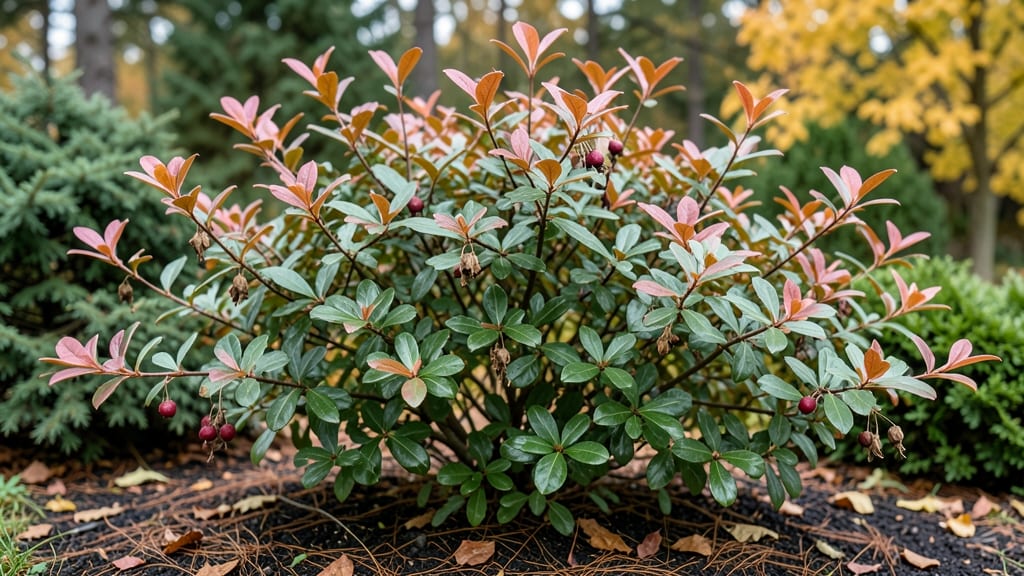
Winter barberry thrives when you know its secrets—cold hardiness isn’t just survival, it’s a chance to harvest tart-sweet berries even when most gardens sleep. 🌿 I’ve watched mine stand strong through 20°F nights, their glossy leaves turning a deep burgundy that lasts until spring.
The key isn’t just tough plants—it’s protecting them from winter’s sneaky threats like sunscald and rodent nibbles.
Start with the right prep: prune in late winter (before buds swell) to shape the plant and remove dead wood—this keeps energy flowing where it counts. A 3-inch layer of mulch around the base insulates roots, while wrapping younger plants in burlap shields them from drying winter winds.
Even in Zone 4, my barberries fruit heavily if I handle these basics right.
What you’ll get is a winter harvest that outshines store-bought berries—brighter color, sharper flavor, and none of the wilted disappointment. The berries stay on the bush longer when protected, so you can pick fresh for preserves or sauces straight from the snow-dusted branches.
It’s the one plant that makes winter gardening feel like a victory.
Works just as well in containers as in the ground, making it perfect for small spaces or urban gardens. The same care rules apply whether you’re in a frost pocket or a windy hilltop—just adjust mulch thickness for your climate. Here’s how to keep yours thriving all season long.
📚 In This Guide
- What you need
- Instructions
- Tips and common mistakes
- Wrapping up and next steps
What you need
- ● Pro tip: 💡 If foraging, bring a small bag or basket with holes for ventilation—barberries bruise easily!
Step-by-step guide to harvesting and preserving winter barberries
Here's how to transform your winter barberry harvest into delicious preserves and cooking staples.
🌿 Step 1: Identify and Harvest Ripe Winter Barberries
Winter barberries ripen in late fall, turning a deep red when fully mature. Look for berries that are firm but slightly soft to the touch—these will have the perfect balance of tartness and sweetness. I always harvest on a dry day to prevent mold, and I pick berries by hand to avoid crushing them.
Use sharp pruning shears to trim clusters from the bush, leaving a small stem attached. This makes it easier to sort later. Fill a clean bucket with your harvest, but don't overfill—you want room to shake out any twigs or leaves that fall in during picking. I like to spread a tarp underneath to catch any stray berries that drop.
✂️ Step 2: Clean and Prepare the Berries
Spread your harvested barberries on a clean kitchen towel or colander and gently shake to remove any leaves or stems. For a thorough clean, I rinse them under cool water and then pat them dry with a clean towel. It's important to remove any damaged or shriveled berries—they can spoil the batch during preservation.
Once dry, I sort the berries into two piles: those with small imperfections (which I'll use for cooking) and perfectly intact ones (reserved for preserves). This step ensures your final product is uniform in texture and flavor. Weigh your berries to determine how much sugar and pectin you'll need for your recipes.
🔥 Step 3: Choose Your Preservation Method
For jams and jellies, combine your barberries with an equal weight of granulated sugar and about 1 packet of powdered pectin. Cook the mixture over medium heat, stirring constantly until it reaches a full boil. This usually takes 15-20 minutes. You'll know it's ready when the mixture sheets off the spoon in a thick ribbon when cooled for a minute.
If you're making a syrup, simmer the berries with water and sugar (a 1:1 ratio) for 30-45 minutes until the liquid reduces by half. For freezing, simply spread the berries on a tray and freeze them before transferring to a sealed container. This preserves their tart-sweet flavor perfectly for cold-weather cooking.
🧂 Step 4: Store and Use Your Preserved Barberries
Once your preserves or syrup have cooled, transfer them to sterilized jars with airtight lids. Label each jar with the date and type of preserve. Store them in a cool, dark place, where they'll keep for up to 1 year. The syrup can also be kept in the refrigerator for up to 6 months.
Use your barberry preserves in winter baking, as a glaze for meats, or stirred into yogurt for a tangy twist. The frozen berries are perfect for adding a burst of flavor to sauces or stews. I always make sure to use them within a few months of freezing to enjoy their peak flavor.
Tips & tricks for perfect winter barberry preservation
Don't let your winter barberry harvest go to waste—these simple tricks ensure your preserves stay vibrant and flavorful.
Harvesting Tip: Always harvest barberries in the morning when they're cool and firm. The cooler temperature helps preserve their natural tartness, and morning berries haven't been exposed to midday heat that can make them mushy. I've found that harvesting on cloudy days actually works best—the berries contain more sugar and less acid, giving your preserves a more balanced flavor.
Cleaning Secret: When rinsing your barberries in Step 2, use a colander with large holes and give them a gentle swirl rather than rubbing them. This prevents bruising, which can lead to a watery preserve. After rinsing, I always spread them on a clean kitchen towel and gently pat them dry with another towel. This two-step drying process removes excess moisture that could dilute your preserves later.
Preservation Timing: For jams and jellies, the 15-20 minutes of cooking time at medium heat is crucial. Use a candy thermometer if you have one—you're aiming for 220°F (the gel point). Without one, the sheeting test is reliable: drop a spoonful of the hot mixture onto a chilled plate. If it wrinkles when you push it with your finger, it's ready. This ensures perfect set without overcooking.
Storage Wisdom: For long-term storage, leave about a ½-inch headspace in your jars before sealing. This prevents the preserves from expanding and breaking the seals as they cool. I also like to process my jars in a water bath for 10 minutes after sealing—this extra step extends shelf life to 18 months in cool, dark places. The syrup can be refrigerated for up to 6 months, but I find freezing it in ice cube trays works even better for small portions.
Pro Tips for Barberry In Winter
- Don't let your winter barberry harvest go to waste—these simple tricks ensure your preserves stay vibrant and flavorful.
- Harvesting Tip: Always harvest barberries in the morning when they're cool and firm.
- Cleaning Secret: When rinsing your barberries in Step 2, use a colander with large holes and give them a gentle swirl rather than rubbing them.
Frequently asked questions
about barberry in winter—because even the tartest berries come with curious minds!When is the best time to harvest barberries in winter?
Barberries are typically harvested in late winter or early spring before new growth begins. Look for deep red, firm berries still clinging to the shrub. Avoid harvesting after a hard frost, as the berries may soften or split. If you miss the window, dried barberries (like those used in Middle Eastern cuisine) can be harvested later in the season.
Can I substitute barberries for other tart berries in recipes?
If you can’t find barberries, try substitutes like pomegranate molasses, cranberries, or even a mix of red wine vinegar and sugar for a similar tangy kick. Just adjust sweetness to taste—barberries are much more tart than cranberries. For texture, dried currants or chopped dried cherries can work in baked goods.
How do I store barberries to keep them fresh for months?
Fresh barberries last 2–3 weeks in the fridge in a sealed container. For long-term storage, freeze them whole (they’ll keep for up to a year) or dry them in a dehydrator or low oven (140°F/60°C for 6–8 hours). Dried barberries store well in airtight jars for 6+ months—perfect for winter cooking!
Are barberries safe to eat raw, or should I cook them first?
Barberries are edible raw but are extremely tart and astringent—most people prefer them cooked! Use them in sauces, jams, or desserts to mellow the flavor. If you’re sensitive to oxalates (found in berries), cooking reduces their levels. Always wash them thoroughly to remove any lingering thorns or debris.
Why are my barberry bushes losing leaves in winter—is this normal?
Yes! Barberry bushes are deciduous or semi-evergreen, depending on the variety. Many drop leaves in winter to conserve energy, while others retain some foliage. No action is needed—just avoid pruning until spring. If leaves turn brown and crispy before winter, it may signal overwatering or disease. Mulch lightly to protect roots from freeze-thaw cycles.
Pro Tip:
Barberries are packed with vitamin C and antioxidants—double the immune-boosting power in winter! Try them in glazes for roasted meats or as a zesty topping for yogurt. Just remember: a little goes a long way with their intense flavor!
Wrapping up and next steps
Barberry in winter isn’t just a survival tactic—it’s a flavor adventure! 🌟 From tangy jams to hearty stews, this hardy berry transforms cold-weather meals into something special. Whether you’re foraging, preserving, or experimenting in the kitchen, barberries prove that winter can be delicious.
Ready to dive in? Start by harvesting a few branches or picking up some dried berries, then let your creativity run wild—your taste buds will thank you! 🍽️