
Vegetables
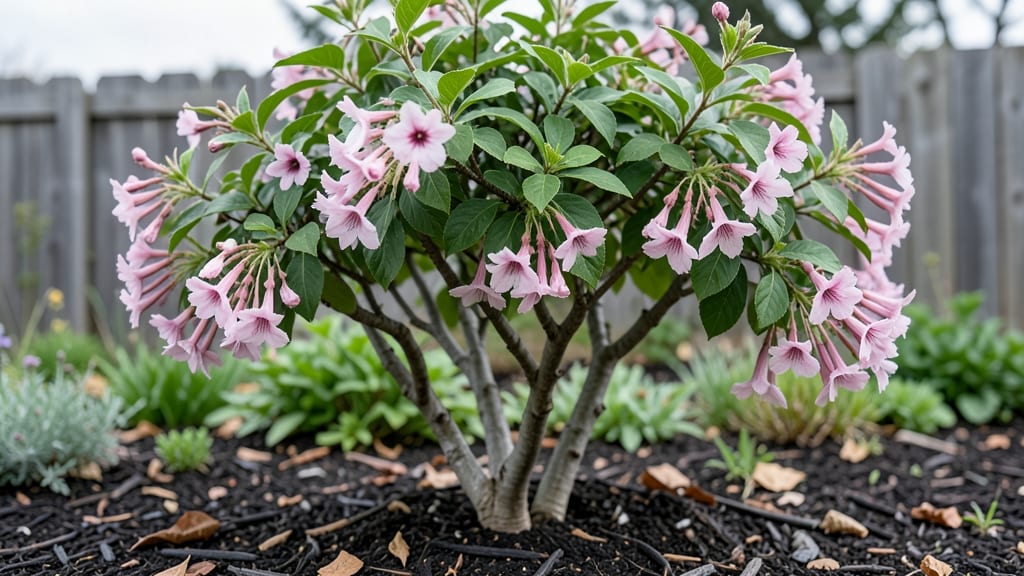
Weigela shrubs in winter need frost-proof pruning to survive—and thrive—through freezing temperatures. 🌿 I’ve watched my Weigela go from a bare skeleton to a riot of pink blooms by spring, all because I pruned at the right time and protected it properly.
The key? Timing, mulching, and knowing how far to cut back without sacrificing next year’s flowers.
Most Weigela varieties handle USDA zones 4-8, but late frosts can still catch them off guard. The real secret is pruning after the first hard freeze but before new growth starts—usually late winter to early spring.
Cut back 1/3 of the oldest stems to encourage fresh growth, but leave the younger branches to bloom early. Mulch heavily (3-4 inches) with shredded bark or straw to insulate roots.
You’ll know winter stress if branches look mushy or leaves stay brown into spring. That’s when you gently rake off dead foliage and check for pests hiding in crevices. A light application of dormant oil spray in late winter can prevent infestations before buds swell.
With the right care, your Weigela will bounce back with bold, repeat blooms all season.
Works in containers or garden beds, and even in colder microclimates with extra mulch. Here’s how to keep yours alive—and stunning—through the coldest months.
📚 In This Guide
- What you need
- Instructions
- Tips and common mistakes
- Wrapping up and next steps
What you need
- ○ Pruning shears: Bypass pruners (sharp, clean, and disinfected with rubbing alcohol or a 10% bleach solution). Optional: Loppers (for thicker branches, 2–3 ft length).
- ● Garden gloves: Heavy-duty, cut-resistant gloves (e.g., Mechanix Wear or Fellex for protection against thorns).
- ● Disinfectant: 70% isopropyl alcohol or household bleach (1 part bleach to 9 parts water) to sterilize tools between cuts.
- ● Pruning sealant: Tree wound pruning paste (e.g., Tanglefoot Tree Wound Pruning Seal) to protect large cuts from disease.
- ● Mulch: 4–6 inches of organic mulch (e.g., shredded bark, pine straw, or compost) to insulate roots.
- ● Watering can or hose: With a fine spray nozzle for post-pruning hydration.
- ○ Stakes or twine: Optional—if your Weigela has weak or leggy growth, use bamboo stakes (3–4 ft) and soft twine to support branches.
- ● Timing: Prune after the first hard frost (late fall/early winter) but before new growth (typically November–February, depending on your climate zone).
- ● Weather: Choose a dry, calm day (avoid pruning if rain or wind is forecasted within 24 hours).
- ● Plant health check: Inspect the shrub for dead, diseased, or damaged branches before pruning.
- ○ Safety gear: Optional but recommended: Safety goggles (if dealing with thorny branches) and long sleeves.
Step-by-Step guide to winter pruning for weigela shrubs
Here’s how to prepare your weigela for winter while ensuring vibrant spring blooms—no guesswork involved.
✂️ Step 1: Time Your Pruning for Maximum Impact
Prune weigela in late winter to early spring, ideally 4-6 weeks before your last frost date. This timing lets the plant recover before new growth begins. I always wait until the threat of hard freezes has passed—typically February or March in most climates. If you prune too early, tender new shoots can get damaged by late frosts.
Look for dormant stems with no visible buds or leaves. Healthy weigela stems have a smooth, slightly woody texture. Avoid pruning when the ground is still frozen or during extended cold snaps below 20°F, as the stress can weaken the plant.
🌿 Step 2: Remove Dead or Damaged Wood First
Start by inspecting the shrub for dead, diseased, or crossing branches. Dead wood appears gray, brittle, or hollow when cut. Snip these out at the base with clean, sharp pruners—no need to leave stubs. Diseased branches often have black spots, mold, or unusual growths; remove them immediately to prevent spread.
Crossing branches compete for sunlight and air circulation, which invites pests. I like to step back and visualize the shrub’s shape—remove any branches growing inward or rubbing against others. This opens up the center for better airflow and future blooms.
✂️ Step 3: Thin Out Overcrowded Growth
Weigela blooms on new wood, so focus on thinning rather than heavy cutting. Select 1/3 of the oldest stems—these are usually the thickest, woodiest branches—and prune them back to the ground. This encourages younger, more vigorous growth and prevents the shrub from becoming too dense.
For the remaining stems, cut back by one-third of their length, targeting just above a outward-facing bud. Angle your cuts slightly upward to prevent water from pooling. If a stem looks leggy or bare at the base, shorten it further to promote bushier growth.
☀️ Step 4: Shape for Sun Exposure and Airflow
Step back and assess the shrub’s overall form. Weigela thrives with open, airy growth, so avoid creating a dense, closed canopy. Trim back any branches that block sunlight from reaching the center. Aim for a rounded, slightly vase-like shape—this ensures even sunlight exposure and reduces winter moisture buildup.
Pay special attention to the outer edges of the shrub. Prune to create a natural, tapered silhouette that allows light to penetrate deeper. This not only encourages more blooms but also reduces the risk of fungal issues by improving airflow.
🪴 Step 5: Clean Up and Protect for Winter
After pruning, sterilize your tools with rubbing alcohol to prevent disease spread. Rake up and dispose of all clippings—never leave them beneath the shrub, as they can harbor pests or diseases over winter. I also apply a 2-3 inch layer of mulch around the base to insulate roots and retain moisture.
For extra protection in Zone 5 or colder, wrap the shrub with burlap or frost cloth if temperatures are expected to drop below 10°F. Remove the wrap in early spring once new growth appears. Water the base deeply before the first hard freeze to help roots withstand cold temperatures.
Tips & tricks for perfect winter pruning of weigela shrubs
Here's what I've learned after years of winter pruning—these details make all the difference for spring blooms.
Timing is Everything: The 4-6 week window before your last frost date is critical for weigela recovery. I check my local frost date calendar and mark the date 4 weeks out—this gives me a clear deadline. If you're unsure, wait until you see new buds forming on the stems. Pruning too early risks frost damage to tender new growth, while waiting too long can stress the plant before winter.
Cutting Technique Matters: When you're thinning those oldest stems in Step 3, make your cuts just above an outward-facing bud at a 45-degree angle. This creates a natural water runoff path and encourages vigorous growth from that bud. I always use sharp pruners to make clean cuts—dull blades crush stems, inviting disease. For thicker stems, I make a small notch on the underside before completing the cut to prevent tearing.
Seasonal Shape Maintenance: The vase-like shape in Step 4 isn't just aesthetic—it's functional. Weigela needs good air circulation to prevent fungal issues like powdery mildew. After pruning, I always run my hand through the center to check for blocked airflow. You should be able to easily slide your hand through without touching any branches. This open structure also helps snow shed more easily in winter, preventing branch breakage.
Winter Protection Strategy: For Zone 5 gardens where temperatures drop below 10°F, I've found that wrapping with burlap works better than frost cloth for weigela. The burlap allows some airflow while providing insulation. I secure it loosely—too tight can restrict growth. In milder winters, I skip wrapping entirely and focus on the 2-3 inch mulch layer, which provides excellent root insulation. The key is protecting the plant without suffocating it.
Pro Tips for Weigela Shrub In Winter
- Here's what I've learned after years of winter pruning—these details make all the difference for spring blooms.
- Timing is Everything: The 4-6 week window before your last frost date is critical for weigela recovery.
- Cutting Technique Matters: When you're thinning those oldest stems in Step 3, make your cuts just above an outward-facing bud at a 45-degree angle.
Frequently asked questions
Got questions about keeping your Weigela shrub thriving through winter? Here are some common concerns—and expert answers—to help you prune with confidence and enjoy year-round blooms!
Can Weigela shrubs survive harsh winters without extra protection?
Most Weigela varieties are hardy to USDA Zones 4-8, meaning they can handle light frost without issues. However, in Zone 3 or colder, young plants or newly planted shrubs may need a thick layer of mulch (3-4 inches) around the base to insulate roots. Avoid heavy snow loads by gently brushing off branches—never shake the plant!
When is the best time to prune Weigela in winter?
The ideal window is late winter to early spring (February–March), before new growth begins. Pruning too early can stimulate tender shoots that may freeze. If you missed the window, wait until after flowering (late spring) to avoid cutting off next year’s blooms. Never prune in fall—it invites disease and weakens winter hardiness.
Should I cut back dead or damaged branches now, or wait for spring?
Remove truly dead wood (blackened, brittle branches) immediately—even in winter—to prevent pests or disease from spreading. Wait for spring to prune for shape or size, as cold weather can make cuts harder to heal. Use sterilized pruners and seal larger cuts with pruning sealant if needed.
What if my Weigela looks sad in winter—is it dying?
Don’t panic! Weigela sheds leaves naturally in winter—it’s dormant, not dead. Look for green buds at branch tips (a sign of life!). If branches are completely brown and mushy, they may be dead. Trim them out in spring. Yellow leaves in winter? Likely just nutrient loss—feed in early spring instead.
Are there winter-hardy Weigela alternatives if mine struggles with cold?
Yes! Try these cold-tolerant picks:
- Weigela ‘Wine & Roses’: Hardy to Zone 4, with deep purple foliage.
- Weigela ‘Midnight Wine’: Thrives in Zone 3-8, dark leaves + pink blooms.
- Weigela ‘Alexandra’: Zone 4-9, compact size, early spring flowers.
Wrapping up and next steps
Your weigela shrub can thrive even in winter with the right care—especially when it comes to pruning!
By understanding its frost-resistant nature, timing cuts properly, and giving it a little TLC, you’ll enjoy vibrant blooms year after year. Don’t wait! Grab your pruners and head outside this season to shape your weigela for a stunning spring rebirth. 🌿✨
Next steps:
- Mark your calendar for late winter or early spring (just before new growth starts).
- Gather your tools and review the pruning guide one last time.
- Share your progress with fellow gardeners—tag us in your winter pruning pics!