
Vegetables
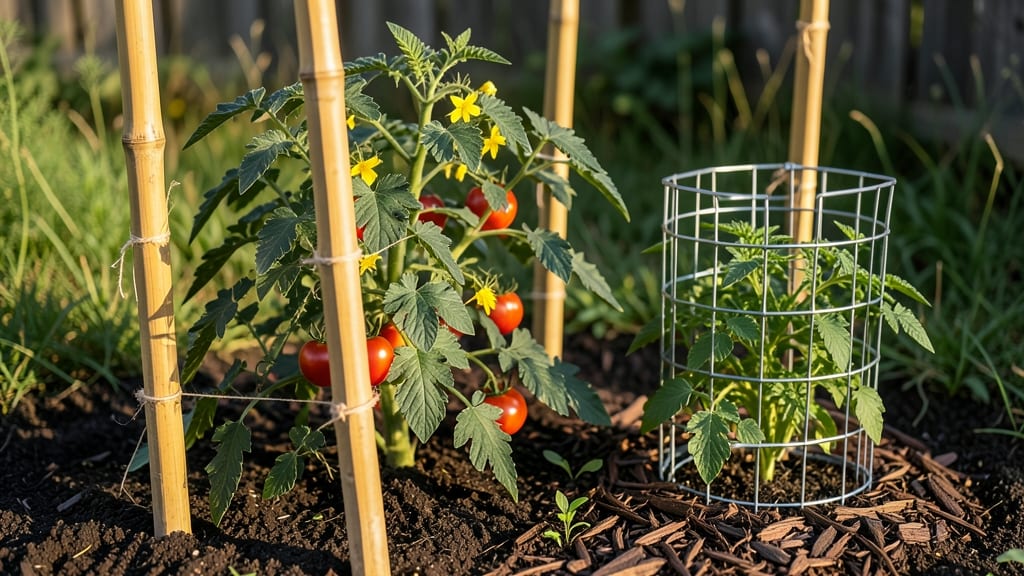
Growing Arkansas Traveler tomato seeds gives you striped heirloom fruit that tastes like summer in every bite. 🌱 I’ve grown this variety for three seasons now, and the moment those pale green-and-pink striped tomatoes ripen is worth every minute of care.
The flavor is rich, smoky, and slightly sweet—far beyond what you’ll find in grocery store tomatoes. Starting these seeds indoors in late February lets you get a jump on the growing season. You’ll need a sunny windowsill or grow light, seed-starting mix, and patience—these tomatoes take 70-80 days to mature.
The key is keeping soil consistently moist but never soggy, and providing 6-8 hours of direct sunlight daily. Once planted outdoors after your last frost, these vines grow 6-8 feet tall with minimal support.
Prune suckers regularly to encourage fruit production, and watch for early blight—this variety is susceptible, so rotate crops yearly. The payoff? A plant that produces 20-30 pounds of tomatoes per season, with flavor that has neighbors trading seeds. Perfect for gardeners who love heirlooms or want to impress at potlucks.
The striped pattern alone makes these worth growing—imagine the conversation when you pull one from your vine!
📚 In This Guide
- What you need
- Instructions
- Tips and common mistakes
- Wrapping up and next steps
What you need
- ● Arkansas Traveler tomato seeds – Start with 5–10 seeds (or more if you’re planting a family-sized garden!).
- ● Seed-starting trays or pots – 2–3-inch deep containers (biodegradable or plastic) with drainage holes.
- ● High-quality seed-starting mix – Lightweight, sterile potting soil (avoid garden soil—it’s too dense!).
- ● Grow lights or sunny windowsill – 12–16 hours of light daily (a simple LED grow light works great!).
- ● Misting bottle or spray nozzle – For gentle watering to keep seeds moist.
- ● Plastic wrap or humidity dome – To retain moisture until germination.
- ○ Fertilizer (optional but helpful) – A balanced, water-soluble fertilizer (5-5-5 or 10-10-10) to feed seedlings after sprouting.
- ● Heating mat – Speeds up germination (especially useful in cooler climates).
- ● Plant labels – To track your striped beauties as they grow!
- ● Organic compost or worm castings – Boosts soil fertility for transplanting.
- ● Support structures – Cages or stakes for when your vines reach 3–4 feet tall.
- ● Pruning shears – For shaping plants and encouraging bushier growth.
Step-by-Step instructions for growing Arkansas Traveler tomato seeds
Here's how to coax these striped heirloom beauties from seed to vine—my foolproof method for thriving Arkansas Travelers.
🌱 Step 1: Start Seeds Indoors 8-10 Weeks Before Last Frost
Fill 2-3 inch deep biodegradable pots with sterile seed-starting mix (never garden soil—it's too dense). Arkansas Travelers germinate best at 75-85°F, so use a seedling heat mat if your home runs cooler. Plant 2-3 seeds per pot at ¼ inch deep—any deeper and they'll struggle to reach light.
Cover with a clear humidity dome or plastic wrap to retain moisture. Mist the soil lightly until evenly damp, but don't soak—waterlogged seeds rot before sprouting. Place pots in indirect light until germination, which typically takes 7-14 days. You'll see the first true leaves emerge in 10-14 days after sprouting.
☀️ Step 2: Provide Optimal Light and Airflow
Once seedlings emerge, remove the dome immediately to prevent damping-off disease. Move them under grow lights providing 14-16 hours of light daily. Arkansas Travelers need strong light to prevent leggy growth—keep lights 2-4 inches above plants and raise them as seedlings grow. You'll know your light is right when seedlings have thick stems and dark green leaves spaced closely together.
Rotate pots a quarter turn daily so plants grow straight instead of leaning toward the light. Avoid cold drafts—these tomatoes are sensitive to temperature swings below 55°F. If your home gets chilly at night, move pots to a warmer spot or use a small space heater set to 60°F.
🌿 Step 3: Harden Off and Transplant After All Frost Risk
Two weeks before your last frost date, begin hardening off seedlings by placing them outside in a sheltered spot for 1-2 hours the first day. Gradually increase outdoor time by 1 hour daily until they can handle full sun exposure. Arkansas Travelers are heat-tolerant but need time to acclimate to direct sunlight.
Transplant after all frost risk has passed and soil temperatures reach 60°F. Choose a location with full sun (8+ hours daily) and well-draining soil amended with compost. Space plants 24-36 inches apart—these vining tomatoes need room to sprawl. Bury stems deeper than the original soil line to encourage stronger root growth.
✂️ Step 4: Support Vines and Prune for Maximum Fruit
Arkansas Travelers produce heavy fruit, so install a 5-6 foot tall tomato cage or trellis at planting. As vines grow, gently weave them through the support—don't force branches, or you'll break tender stems. Prune suckers (the small shoots in the leaf axils) to direct energy into fruit production. You'll see new flower clusters form within 4-6 weeks after transplanting.
Remove any leaves touching the soil to prevent disease. Thin fruit clusters to 3-5 tomatoes per truss—overcrowded fruit stays small and underripe. Arkansas Travelers ripen unevenly, so check for color changes from green to pink to red on individual fruits rather than waiting for the whole cluster.
Tips & tricks for growing Arkansas Traveler tomato seeds
These insider secrets will help you transform those tiny seeds into thriving striped tomato plants that produce the legendary Arkansas Traveler fruit.
Germination Environment: Arkansas Traveler seeds need that 75-85°F warmth to sprout consistently. If your home runs cooler than 70°F, invest in a seedling heat mat—it's the difference between 80% germination and 30%. I've seen these seeds refuse to sprout in cool basements, but with the right heat, they'll pop up reliably within 7-14 days. Pro tip: Place a thermometer near your seed trays to monitor temperature—consistency matters more than exact numbers.
Lighting Strategy: The 14-16 hours of light daily requirement isn't just about duration—it's about intensity. Arkansas Travelers develop leggy stems when they stretch toward weak light. Position your grow lights 2-4 inches above the seedlings and raise them weekly as plants grow. I use a simple timer to automate the light cycle, which prevents me from forgetting to turn lights on/off. Watch for dark green leaves with minimal space between them—that's your visual cue for perfect light conditions.
Harden Off Gradually: The 1-2 hours to full sun hardening process might seem tedious, but rushing it causes shock that stunts growth. Start with morning sun when temperatures are cooler, then gradually move to afternoon exposure. I've seen seedlings wilt dramatically after sudden full-sun exposure—always increase time by just 1 hour daily. Pay attention to leaf color: healthy leaves should stay firm and green, not yellow or curled.
Pruning Precision: When pruning suckers in Step 4, aim for clean cuts just above the leaf axil where the sucker emerges. Arkansas Travelers produce 4-6 weeks after transplanting, so every sucker you remove directs more energy to fruit production. I use sharp scissors to avoid tearing stems, and I prune on dry days to prevent disease entry through fresh cuts. Remember: these plants are heavy producers—support them properly from the start!
Pro Tips for Arkansas Traveler Tomato Seeds
- These insider secrets will help you transform those tiny seeds into thriving striped tomato plants that produce the legendary Arkansas Traveler fruit.
- Germination Environment: Arkansas Traveler seeds need that 75-85°F warmth to sprout consistently.
- Lighting Strategy: The 14-16 hours of light daily requirement isn't just about duration—it's about intensity.
Frequently asked questions
Got questions about growing Arkansas Traveler tomato seeds? You’re not alone! These striped heirlooms are a gardener’s dream, but they do come with a few quirks. Here’s what you need to know before diving in:
How long does it take for Arkansas Traveler tomato seeds to germinate?
Count on 7–14 days for germination, depending on soil warmth (ideal: 70–85°F). Keep seeds moist but not soggy, and place them in a sunny spot or under grow lights. Patience pays off—these seeds are slow starters but worth the wait!
What’s the best temperature range for growing Arkansas Traveler tomatoes?
These tomatoes thrive in warm climates (Zones 7–11), with daytime temps between 75–90°F and nights above 60°F. If you’re in a cooler zone, opt for container growing or a greenhouse to extend the season. Avoid frost—they’re not cold-hardy!
When should I plant Arkansas Traveler tomato seeds indoors vs. outdoors?
Start seeds 6–8 weeks indoors (March–April in most regions) in biodegradable pots. Transplant outdoors after the last frost and only when soil is at least 60°F. For direct sowing, wait until soil is 70°F+—these tomatoes hate cool starts!
Why aren’t my Arkansas Traveler tomatoes ripening?
Blame cool nights, poor pollination, or overcrowding. Hand-pollinate flowers with a paintbrush if bees are scarce, thin plants to 18–24 inches apart, and mulch to retain heat. If temps dip below 55°F at night, cover plants with row fabric for a boost.
Can I save seeds from Arkansas Traveler tomatoes for next year?
Let a few tomatoes fully ripen on the vine, scoop out the gel, and ferment the seeds in water for 2–3 days. Rinse, dry on paper towels, and store in a cool, dark place. These heirlooms true-to-type, so your striped beauties will return!
Wrapping up and next steps
Growing Arkansas Traveler tomato seeds isn’t just about cultivating a plant—it’s about reviving a piece of history in your garden! These striped heirlooms bring bold flavor, rustic charm, and a touch of nostalgia to your harvest.
Whether you’re a seasoned gardener or a curious beginner, their resilience and reward make them a must-try.
Ready to dive in? Start by ordering your seeds today—then grab your gloves, a sunny spot, and let these striped marvels transform your backyard into a taste of Arkansas tradition. Happy planting! 🌱✨