
Vegetables
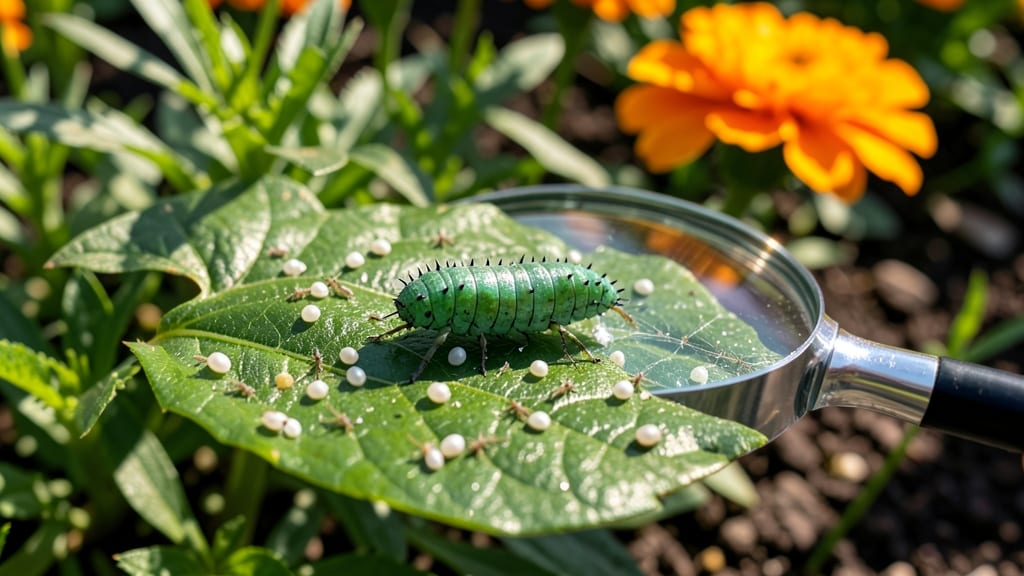
My garden's aphid battles ended when I discovered Arbico Organics green lacewings—tiny, voracious allies that outperform chemical sprays. 🌿 These delicate but deadly predators devour aphids, mites, and even caterpillars, turning your plants into a protected paradise without harsh chemicals.
The secret lies in their hunting habits: lacewings patrol foliage, munching pests while leaving your plants unharmed. A single lacewing can eat hundreds of bugs in its lifetime, making them one of nature's most efficient pest controllers. The best part? They thrive in organic gardens where pesticides are banned.
Just release them at dusk near infested plants, provide shallow water sources, and avoid disturbing their shelter. Within 2-3 weeks, you'll notice fewer pests and healthier plants. It's organic pest control at its finest—no sprays, no waiting, just natural balance.
Perfect for vegetable gardens, flower beds, or any space plagued by soft-bodied insects. Here's how to make them work for you—no experience needed.
📚 In This Guide
- What you need
- Instructions
- Tips and common mistakes
- Wrapping up and next steps
What you need
- ● Arbico Organics Green Lacewings (Lacewing Larvae or Eggs): 1–2 packs (5,000–10,000 larvae or 1,000–2,000 eggs per pack), depending on garden size.
- ● Pro tip: Start with larvae for immediate action or eggs for gradual, long-term control! 🌟
- ○ Release Container: Spray bottle (8–16 oz) with fine mist nozzle or a small, breathable mesh bag (optional for egg releases).
- ● Water Source: Room-temperature water (avoid cold—lacewings are sensitive!).
- ● Garden Tools: Handheld sprayer (for rehydrating larvae) or a soft paintbrush (for gentle egg placement).
- ● Pruners or scissors (to trim infested leaves for targeted releases).
- ● Sugar Water Feeder: 1–2 small dishes with a 1:10 sugar-water mix (to attract adult lacewings for egg-laying).
- ● Shade Cloth: Lightweight fabric (for protecting newly released larvae from direct sun or predators).
- ● Pest Monitor: Yellow sticky traps (to track aphid/sap-sucker populations before release).
- ● Gloves: Lightweight gardening gloves (to handle plants gently during placement).
Step-by-step guide to deploying Arbico Organics green lacewings
Here's how to harness these voracious predators for natural pest control—effective, organic, and easy to manage.
🪴 Step 1: Understand the Release Timing and Conditions
Green lacewings thrive in moderate temperatures (55-85°F), so time your release for early morning or late afternoon when temperatures are cooler. Avoid releasing them during peak sun hours—lacewings are delicate and can succumb to heat stress or dehydration. Check your garden's microclimates first; shaded areas under trees or along north-facing walls provide ideal release spots for the first 24 hours.
I always release mine when pest populations are at their most active but before they cause irreversible damage. For example, aphid outbreaks in spring or spider mite infestations in summer are perfect windows. Wait until you see visible pest activity—lacewings need food to establish themselves, and newly released adults won't survive long without it.
🌱 Step 2: Prepare the Release Environment
Remove any broad-spectrum pesticides or synthetic insecticides from your garden at least 2 weeks before release. Even residual traces can harm lacewings. Focus on creating shelter spots—lacewings prefer areas with dense foliage, leaf litter, or low-growing plants where they can hide during the day and hunt at night. I often release them near my basil and pepper plants, which naturally attract soft-bodied pests like aphids and whiteflies.
Water your plants lightly the day before release to ensure the soil is moist but not soggy. Lacewings need accessible moisture for their larvae, and damp conditions help them locate prey more efficiently. Avoid overhead watering right before release—wet wings can make them less mobile, reducing their effectiveness.
💧 Step 3: Release the Lacewings Strategically
Open the shipping container carefully and allow the lacewings to crawl out on their own—never force them. I place the container near the target area and let them emerge naturally over 1-2 hours. This reduces stress and ensures they orient themselves to the new environment. Avoid releasing them directly onto leaves; instead, place them near the base of plants where they can climb upward.
For best results, release lacewings in small batches over several days. A single release of 25-50 adults per 100 square feet works well, but spreading them out increases their chances of survival. I release half in the morning and half in the evening, as cooler temperatures improve their mobility and hunting efficiency.
☀️ Step 4: Provide Ongoing Support for Establishment
After release, monitor your garden for signs of lacewing activity. You’ll see adults patrolling foliage at dusk or eggs laid on the undersides of leaves—these look like tiny yellow beads. Larvae, which resemble tiny alligators, are the real pest hunters. If you don’t see eggs within 3-5 days, consider releasing a second batch or check for environmental stressors like extreme heat or wind.
Supplement their diet if pest populations are low. A light spray of nectar-rich flowers (like dill or fennel) attracts adult lacewings, while a small dish of water with a floating cork provides hydration. I avoid overwatering the release area—lacewings prefer slightly drier conditions for hunting, but they need moisture to survive.
✂️ Step 5: Maintain and Monitor for Long-Term Control
Lacewings reproduce quickly, so you’ll likely see multiple generations over a season. After the initial release, you may not need to reorder for 4-6 weeks, depending on pest pressure. However, if you notice a resurgence of pests, release additional lacewings or introduce complementary predators like ladybugs for a layered defense.
Prune heavily infested plants only after lacewings have had 10-14 days to establish. Removing habitat mid-season disrupts their lifecycle. Instead, focus on maintaining a balanced ecosystem—diverse plantings, minimal disturbance, and consistent moisture support lacewing populations naturally.
Tips & tricks for perfect green lacewing deployment
Mastering these natural predators takes a few key insights that go beyond the basics.
Temperature and Timing: The 55-85°F window is non-negotiable—lacewings are tropical creatures at heart. I've seen them fail spectacularly when released midday in 90°F+ heat. If you must release during hotter conditions, do it in the early morning and provide immediate shade with lightweight row covers until evening. The first 24 hours are critical for acclimation, so avoid disturbing them during this period.
Environmental Preparation: That 2-week pesticide-free window isn't just about avoiding direct harm—residual chemicals can linger in soil and foliage, creating an invisible barrier that repels lacewings. I've learned the hard way that even "organic" neem oil can be problematic if overused. For maximum effectiveness, rotate your garden layout to create microclimates: place release zones near plants with dense foliage like basil or dill, which provide both shelter and food sources for emerging larvae.
Release Strategy: The 1-2 hour emergence period might seem short, but it's intentional. Lacewings are sensitive to sudden environmental changes, and forcing them out too quickly increases mortality rates. I use a simple technique: place the shipping container near the base of a plant and leave it undisturbed. The lacewings will naturally climb upward as they sense the environment. For larger gardens, consider dividing your 25-50 per 100 square feet into smaller batches—this gives you more flexibility to target specific pest hotspots.
Pro Tips for Arbico Organics Green Lacewings
- Mastering these natural predators takes a few key insights that go beyond the basics.
- Temperature and Timing: The 55-85°F window is non-negotiable—lacewings are tropical creatures at heart.
- Environmental Preparation: That 2-week pesticide-free window isn't just about avoiding direct harm—residual chemicals can linger in soil and foliage, creating an invisible barrier that repels lacewings.
Frequently asked questions
Got questions about harnessing the power of Arbico Organics Green Lacewings? You’re not alone! Here are some common queries—and their answers—to help you get the most out of these natural pest predators.
How soon will I see results after releasing green lacewings?
Results typically appear within 7–14 days, depending on pest population and environmental conditions. Lacewings lay eggs that hatch into voracious larvae, which devour soft-bodied pests like aphids, mites, and whiteflies. Monitor your garden closely and release additional lacewings if infestations persist. Patience is key—these tiny warriors work best over time!
What should I do if my green lacewings disappear after release?
Don’t panic! Lacewings are highly mobile and may fly away in search of food or shelter. To retain them, release them at dusk or dawn when they’re less active, and provide nearby water sources (like shallow dishes with pebbles). Avoid strong pesticides—these predators are sensitive to chemicals. Reorder if needed, but give them a few days to establish themselves.
Can I use green lacewings in extreme heat or cold?
Green lacewings thrive in moderate temperatures (50–85°F). Extreme heat (>90°F) or cold (<40°F) can stress them, reducing effectiveness. If temperatures spike, release them in shaded areas or early/late in the day. For cold climates, release them in spring or early summer and avoid late-season releases. A simple shade cloth can help in scorching conditions.
Are there alternatives if green lacewings aren’t available?
Yes! Consider other beneficial insects like ladybugs (aphid control), parasitic wasps (for caterpillars), or predatory mites (for spider mites). Arbico Organics also offers neem oil or insecticidal soap as organic, non-toxic sprays for immediate pest relief. Combine methods for a layered defense—diversity is your garden’s best friend!
How do I prevent lacewings from being eaten by other predators?
Lacewings are safe from most predators, but birds or larger insects (like praying mantises) might snack on them. To minimize losses, release lacewings near dense foliage where they can hide. Avoid releasing them near bird feeders or areas with high bird activity. Focus on shady, pest-heavy zones to give them the best chance to multiply and thrive.
Wrapping up and next steps
Incorporating Arbico Organics Green Lacewings into your pest-control strategy is a game-changer for gardeners who prioritize effective, eco-friendly solutions. These voracious predators deliver natural protection against aphids, mites, and other pests while keeping your plants thriving—without harsh chemicals. 🌱✨
Ready to take the next step? Start by ordering your green lacewings today and observe the transformation in your garden. Happy gardening—and happy hunting for those pesky bugs!