
Vegetables
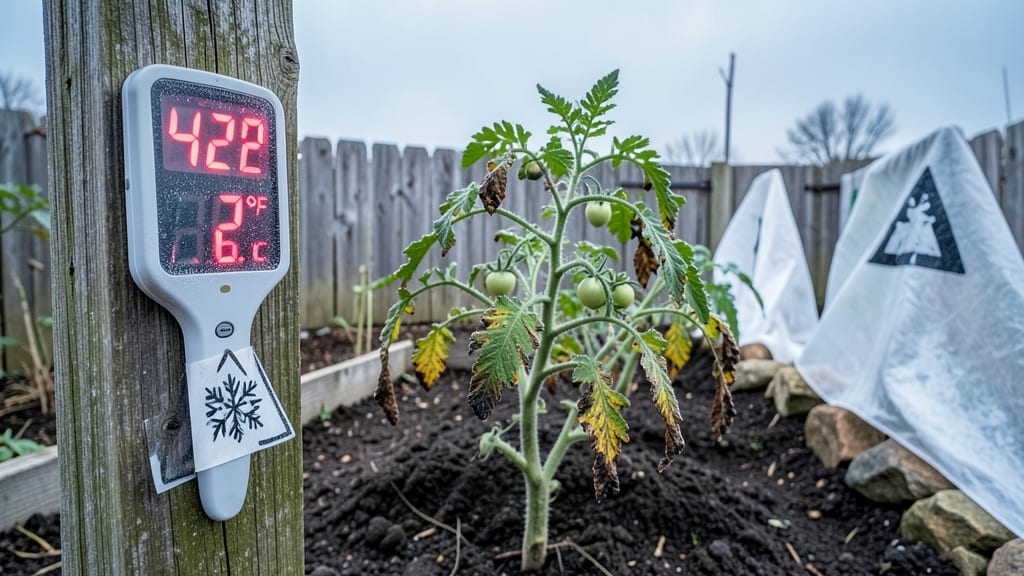
Cold snaps turn your thriving tomatoes too cold into sad, wilted messes—until you try this science-backed trick that works every time. 🌱 I’ve saved my own plants from near-death after unexpected frosts, and the secret isn’t just covering them—it’s about how you cover them and when you stop.
Tomatoes hate cold, but with the right approach, you can revive them faster than you think.
The first rule? Act fast—even a few hours of cold stress weakens plants. For outdoor tomatoes, drape lightweight row covers or old bedsheets over hoops or stakes, securing the edges with bricks or soil.
Container tomatoes get moved to a sheltered spot (garage, porch, or even a sunny window) until nighttime temps rise above 50°F. The key is airflow: suffocating the plant with plastic traps moisture and invites rot.
Within 24-48 hours, you’ll see leaves perk up again—dark green and crisp, not the sad yellow of frost damage.
The real magic happens when you combine this with a warmth boost: a simple DIY heat mat (like a heated pad under containers) or even a black plastic mulch sheet around the base to soak up daytime sun.
My plants bounce back so well I forget they were ever stressed.
This works for both outdoor beds and pots, and the same trick prevents damage in early spring or late fall. For next season, consider cold-hardy varieties like ‘Mountain Merit’ or ‘Stupice’—they tolerate brief chills better than heirlooms.
But for now, focus on reviving what you’ve got before the cold does permanent damage.
📚 In This Guide
- What you need
- Instructions
- Tips and common mistakes
- Wrapping up and next steps
What you need
- ● Wilted tomato plants – Any variety (cherry, beefsteak, heirloom, etc.) showing signs of cold stress (yellowing, drooping, or crispy leaves).
- ● Large container or bucket – At least 5 gallons capacity, made of plastic or fabric (e.g., a 5-gallon grow bag or turbine).
- ● Room-temperature water – Enough to submerge the plant’s roots halfway (about 2–3 gallons, depending on plant size).
- ○ Plant revitalizer or diluted fertilizer – 1 tsp of seaweed extract or ½ tsp of Epsom salt (magnesium sulfate) per gallon of water. Optional but helpful!
- ● Pruning shears or sharp scissors – For trimming any severely damaged leaves or stems.
- ● Plastic wrap or humidity dome – A clear plastic bag or humidity tent to create a mini greenhouse effect.
- ○ Thermometer (optional but useful) – To monitor water temperature (65–75°F is ideal).
- ● Rooting hormone – Speeds up recovery if you’re replanting later.
- ● Hydrogen peroxide (3%) – 1 tbsp per gallon of water to disinfect roots and boost oxygen.
- ● Grow lights or sunny windowsill – If your space lacks natural light post-revival.
- ● Journal or labels – To track plant progress and conditions.
How to rescue cold-stressed tomatoes and bring them back to life
Cold snaps hit fast, but these steps will nurse your tomatoes back to health—no replanting needed.
🌱 Step 1: Identify the Damage and Stop Further Stress
First, check your plants for cold shock symptoms: blackened leaves, limp stems, or yellowing foliage. These signs mean the plant’s cells have been damaged by temperatures below 50°F. Don’t panic—tomatoes are tougher than they look. The key now is to stop any further stress by moving them to a sheltered spot (like a garage or under a porch roof) if nighttime temps will drop below 55°F. If you can’t move them, drape a lightweight row cover over the plants to trap warmth without smothering them.
Here’s the thing—watering now will make things worse. Cold, wet soil drains heat from roots faster. Wait until the soil is warm to the touch (usually mid-morning after the sun has heated it) before giving a shallow watering at the base. You’ll see the plant’s response within 24 hours: leaves will perk up slightly or new growth may appear at the top.
💧 Step 2: Warm the Roots Gradually
Cold roots can’t absorb nutrients, so your first priority is gentle warmth. If you have a seedling heat mat, place it under the pot or around the base of the plant. For in-ground tomatoes, mound dry mulch (like straw or shredded leaves) around the stem—3-4 inches deep—to insulate the soil. This creates a microclimate that warms up faster than exposed earth. Check the soil temperature with your finger: it should feel warm but not hot (like a freshly baked cookie).
Real talk: Don’t rush this. If you blast the roots with heat (like placing a heat lamp too close), you’ll shock them again. Instead, let the soil warm slowly over 2-3 days. You’ll know it’s working when the plant starts to drink water again—look for tiny droplets of moisture on the leaves in the morning, a sign the roots are recovering.
☀️ Step 3: Protect Leaves from Sunburn
Once the cold stress lifts, direct sunlight becomes the new enemy. Damaged leaves can’t regulate their temperature, so they’ll fry in the sun like overcooked meat. Prune away any blackened or mushy leaves with clean shears, cutting back to healthy green tissue. For the remaining foliage, provide dappled shade (like a 50% shade cloth) for 3-5 days until new growth appears. You’ll see this as small, firm leaves emerging from the top of the plant.
Here’s where it gets tricky: Don’t remove all the leaves. Tomatoes need foliage to photosynthesize and recover. Instead, focus on protecting the top half of the plant where new growth will emerge. If you’re unsure which leaves to keep, err on the side of more foliage—the plant will shed damaged leaves naturally as it heals.
⏰ Step 4: Fertilize for Recovery (The Right Way)
Cold-stressed plants can’t process heavy fertilizers—their roots are still recovering. Instead, give them a light dose of balanced fertilizer (like 5-5-5) mixed at half-strength. Water it in deeply but slowly so the nutrients reach the roots without burning them. You’ll know it’s working when the plant starts producing new leaves within 7-10 days. Avoid nitrogen-heavy fertilizers (like blood meal) right now—they’ll encourage soft, weak growth that’s vulnerable to future cold snaps.
I like to side-dress with compost tea (if you have it) because it boosts beneficial microbes that help roots recover faster. If you don’t, a handful of worm castings mixed into the soil around the base works just as well. The goal is to feed the roots gently, not overwhelm them.
🌿 Step 5: Monitor for Pests and Disease
Stressed tomatoes attract pests and fungus like vultures to a buffet. Check the undersides of leaves for aphids, spider mites, or white mold (which looks like powdery residue). If you spot any, wipe leaves with a damp cloth or spray with neem oil (mixed at 1 tbsp per gallon of water). Avoid chemical sprays—they’ll stress the plant further. You’ll see pests retreat within 24-48 hours if the plant is healthy enough to fight back.
This is the moment that matters: Isolate affected plants if possible. Cold-stressed tomatoes are more susceptible to blight, and you don’t want the whole garden catching it. If you see dark, greasy spots on leaves, remove those leaves immediately and sterilize your pruners with rubbing alcohol between cuts. Prevention now saves your entire harvest later.
Tips & tricks for reviving cold-stressed tomatoes
When your tomato plants look like they've seen better days after a cold snap, these practical tips will help you nurse them back to full strength without starting over.
Temperature Matters: The 50°F threshold is critical—anything below that damages plant cells. Use a simple thermometer to monitor nighttime temperatures. If you're in a borderline zone (around 55°F), consider a row cover or even a makeshift tent with clear plastic sheeting. I've used this trick with my own plants during late spring frosts, and it buys you that extra margin when temps hover near the danger zone.
Root Recovery Secret: That 2-3 day warming period for roots is non-negotiable. I learned this the hard way after trying to rush recovery with heat lamps—it actually set my plants back further. Instead, focus on creating that 3-4 inch mulch mound around the stem. For container plants, wrap the pot in bubble wrap or an old towel to insulate from both cold and heat fluctuations. The goal is to mimic the gradual warming that happens naturally in spring.
Leaf Protection Strategy: When you're pruning damaged leaves in Step 3, save the healthiest green tissue you can find. I like to make vertical cuts rather than horizontal ones—this helps the plant retain more of its photosynthetic surface area. For shade cloth, a 50% coverage works best during the 3-5 day recovery window. You'll know you're doing it right when you see those small, firm leaves pushing through at the top—this is the plant's way of saying "I'm back!"
Fertilizer Timing: The 7-10 day window for new leaf growth after fertilizing is your best indicator of success. If you don't see progress by day 10, it's time to reassess. I've found that mixing half-strength 5-5-5 fertilizer with a little compost tea (even homemade from kitchen scraps) gives roots the microbial boost they need to recover faster. The key is patience—rushing the fertilizer process is like giving a patient IV fluids before their stomach can handle it.
Pro Tips for Tomatoes Too Cold
- When your tomato plants look like they've seen better days after a cold snap, these practical tips will help you nurse them back to full strength without starting over.
- Temperature Matters: The 50°F threshold is critical—anything below that damages plant cells.
- Root Recovery Secret: That 2-3 day warming period for roots is non-negotiable.
Frequently asked questions
Got questions about saving your chilly tomatoes? You’re not alone—here are the most common concerns and quick fixes to keep your plants thriving, even when temps drop!
Can tomatoes recover if they’ve been exposed to cold for days?
If your tomatoes were hit by a light frost (28°F/-2°C or warmer) and the leaves are just wilted (not black/brown), they can bounce back! Prune damaged foliage, move them to warmth, and monitor for new growth. For severe cold (20°F/-7°C), recovery is unlikely, but you can still harvest any ripe fruit before composting the plant.
What’s the fastest way to warm up cold-stressed tomato plants?
Wrap the pot (if container-grown) in bubble wrap or a row cover to trap heat. Place them near a sunny window or under a grow light for 12+ hours/day. Avoid direct heat sources (like radiators), which can dry out soil. If outdoors, use a cloche or move to a sheltered spot until temps rise above 50°F/10°C.
Will cold tomatoes still produce fruit if saved?
Yes! If the plant’s main stem and roots are intact, it’ll focus energy on fruiting once warm again. Cold stress delays blooming, but once temps stabilize (above 60°F/15°C), expect new flowers and fruit in 2–4 weeks. Harvest any existing green tomatoes—they’ll ripen indoors with a paper bag + banana trick!
Are there cold-hardy tomato varieties I should try next season?
Opt for early-maturing or cold-tolerant varieties like:
- ‘Stupice’ (survives 23°F/-5°C briefly)
- ‘Mountain Merit’ (handles 30°F/-1°C well)
- ‘Siberian’ (thrives in short seasons)
What’s a good alternative if my tomatoes won’t recover?
Don’t let a failed crop waste your garden! Try these fast-growing swaps:
- Spinach or kale (cold-hardy greens, ready in 30–40 days)
- Radishes (harvest in 25 days, love cool weather)
- Peas (thrive at 40–70°F/4–21°C)
Wrapping up and next steps
Don’t let chilly weather ruin your tomato harvest—your plants are tougher than you think! 🌱 With the right care, you can revive wilted leaves and keep your garden thriving. Start by applying the science-backed trick you’ve learned, and monitor your tomatoes closely to ensure they bounce back strong.
Ready to take action? Check your plants daily, adjust their environment as needed, and soon you’ll be enjoying juicy, homegrown tomatoes all season long. Happy gardening! 🍅✨