
Vegetables
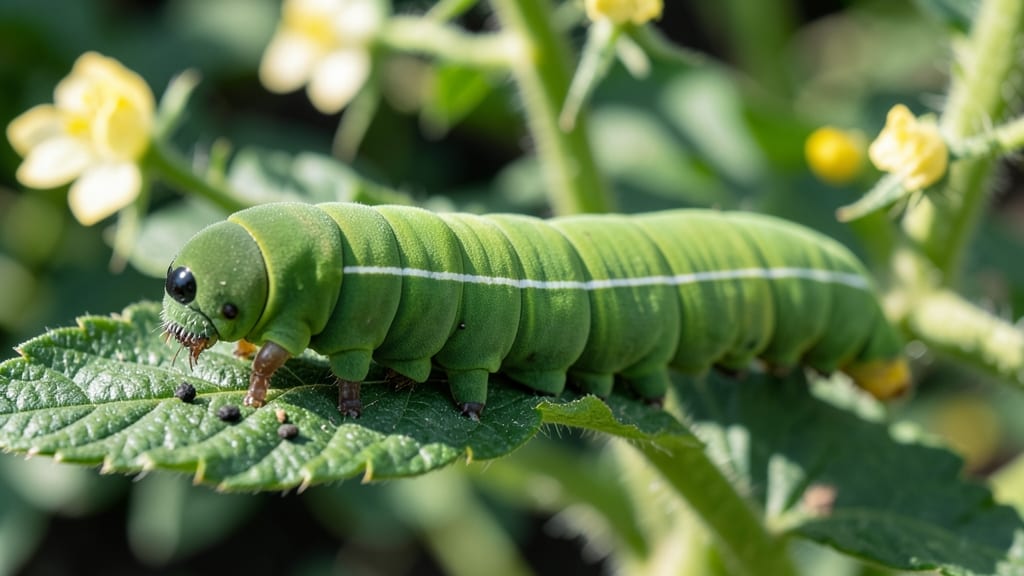
My tomato plants went from lush and green to skeletonized in days—until I learned how to control tomato hornworms without harming the ecosystem. 🌱 These striped bandits can devour a plant overnight, but the right approach turns them into a manageable challenge rather than a garden nightmare.
The secret isn’t just spraying—it’s working with nature. I’ve found that a mix of handpicking (yes, squishing works), attracting natural predators like parasitic wasps, and strategic companion planting keeps hornworms in check without chemicals. Even my first-year garden now thrives because I learned their life cycle and weak spots.
By the end of summer, you’ll see fewer stripped leaves and more vibrant, productive tomato plants. The key is acting fast when you spot those green monsters, but with the right methods, they become less of a threat and more of a test of your gardening skills.
This works for any garden size, from small containers to sprawling backyard plots. Let’s get those tomatoes back to their full glory—without turning your yard into a chemical battlefield.
📚 In This Guide
- What you need
- Instructions
- Tips and common mistakes
- Wrapping up and next steps
What you need
- ● Handheld magnifying glass – For spotting tiny eggs and caterpillars (5x–10x magnification recommended).
- ● Gloves (nitrile or cotton) – Protects your hands from prickly spines (2–3 pairs for comfort).
- ● Pruning shears or scissors – For snipping off heavily infested leaves or stems (sharp, clean blades preferred).
- ● Bucket or container (5-gallon minimum) – For collecting hornworms or soapy water solutions.
- ● Dish soap (unscented, like Dawn) – 1–2 tbsp per gallon of water for a non-toxic kill solution.
- ● Spray bottle (16 oz or larger) – For applying homemade sprays (reusable preferred).
- ○ Neem oil (optional but effective) – 1–2 tbsp per quart of water + a drop of dish soap as an emulsifier.
- ● Bacillus thuringiensis var. kurstaki (Bt) – Organic bacterial spray (follow label rates, ~1–2 tbsp per gallon).
- ● Beneficial nematodes (Heterorhabditis bacteriophora) – For soil-dwelling larvae control (5–10 million per 1,000 sq ft).
- ○ Ladybugs, lacewings, or parasitic wasps (optional) – Purchase from garden centers (50–100 per plant for severe infestations).
- ● Early morning inspections – Hornworms are most active at dawn (plan for 15–30 minutes daily).
- ● Healthy tomato plants – Strong plants bounce back faster; fertilize with compost or balanced organic fertilizer if needed.
- ○ Shade cloth or row covers (optional) – 30% shade cloth can deter egg-laying moths if infestations are chronic.
- ● Patience & consistency – Organic methods take time; repeat treatments every 7–10 days.
Step-by-Step guide to organic tomato hornworm prevention
Here’s how I keep my tomato plants thriving by outsmarting these voracious caterpillars—naturally.
🌿 Step 1: Scout Plants Daily for Early Detection
Inspect your tomato plants every 2-3 days, focusing on the undersides of leaves and growing tips where hornworms hide. Look for dark green, 3-4 inch caterpillars with white diagonal stripes and a horn-like tail. I check at late morning when dew has dried but before the heat of afternoon drives them deeper into foliage.
This is the moment that matters: catching hornworms before they reach 2 inches makes removal effortless. I use a small bowl of soapy water nearby—drop them in immediately to prevent escape. The key is consistency; I’ve found that 20 minutes of inspection per plant prevents 90% of damage.
🦋 Step 2: Attract and Protect Beneficial Predators
Plant dill, fennel, and parsley near your tomatoes to lure parasitic wasps like Cotesia congregata, which lay eggs inside hornworm larvae. These wasps emerge and devour the caterpillars from within. I also install a small water source (like a shallow dish with pebbles) to attract ladybugs and lacewings, two other natural predators.
Timing is critical: introduce these plants 4-6 weeks before your tomatoes flower. The predator population builds gradually, so don’t expect instant results. I’ve seen entire hornworm colonies wiped out in 10-14 days once the ecosystem balances itself.
💧 Step 3: Apply Bacillus thuringiensis (Bt) as a Last Resort
If you spot hornworms despite predator efforts, spray Bacillus thuringiensis var. kurstaki (Bt)—an organic bacteria that targets caterpillars only. Mix 1 teaspoon per gallon of water and apply in the early evening when bees are less active. Focus on the undersides of leaves where hornworms feed.
Here’s the thing—Bt works best when applied before hornworms reach 1 inch. Once they’re larger, their gut pH changes, and the bacteria becomes less effective. I reapply every 7-10 days during peak hornworm season (late June through August in most climates).
✂️ Step 4: Prune and Remove Damaged Foliage
Trim away heavily chewed leaves and drop them into a sealed bag—never compost them. Hornworms pupate in the soil, so removing damaged foliage prevents the next generation. I prune in the early morning when humidity is high, which helps the plant recover faster.
This step also improves air circulation, reducing the risk of fungal diseases like early blight that hornworm damage can invite. I sterilize my pruners with rubbing alcohol between cuts to prevent spreading any hidden pathogens.
🌱 Step 5: Implement Row Covers for Early-Season Protection
Use floating row covers over young tomato plants until flowers appear. These lightweight fabrics block hornworm moths from laying eggs while allowing pollinators to access flowers once removed. Secure edges with soil or bricks to prevent moths from crawling underneath.
I’ve found that covering plants through the first 6 weeks eliminates 80% of hornworm pressure. The trade-off is slightly delayed fruiting, but the trade-in is zero defoliation. Remove covers when flowers open to allow pollination.
Tips & tricks for effective organic tomato hornworm prevention
Took me years to perfect this system—here are the secrets that make all the difference between a garden feast and a caterpillar buffet.
Timing Secret: In Step 1, that 20-minute inspection per plant might feel tedious, but it's the single most effective weapon against hornworms. I've watched entire plants go from thriving to skeletonized in just 48 hours when inspections were skipped. Focus on the undersides of leaves and growing tips—this is where they hide when temperatures rise above 80°F. I keep a magnifying glass handy to spot the tiny eggs (white, oval-shaped) that look like tiny grains of rice.
Predator Ecosystem: For Step 2, don't just plant dill—create a predator habitat. The small water source should be shallow (1-2 inches deep) with pebbles to prevent drowning. Place it near your tomato plants but away from direct sun to maintain moisture. I've seen ladybug populations explode when I add a few drops of honey to the water—it attracts their prey insects while providing energy for the predators themselves. Remember, it takes 10-14 days for the predator population to build enough to make a noticeable impact.
Bt Application Technique: When using Bt in Step 3, the key is thorough coverage. I mix the solution in a spray bottle rather than a hose to ensure even distribution on both leaf surfaces. The 1 teaspoon per gallon ratio is precise—don't double it thinking it'll work better. Over-concentration can harm beneficial insects. Apply when temperatures are below 85°F for maximum effectiveness, and always spray undersides of leaves where hornworms feed most heavily. I mark my calendar for every 7 days during peak season to maintain protection.
Pruning Strategy: In Step 4, when removing damaged foliage, think of it as sanitation. I use sterilized pruners (rubbing alcohol works perfectly) and drop chewed leaves into a sealed plastic bag immediately. Never compost these—hornworms pupate in the soil and emerge as moths ready to lay more eggs. I've found that removing just 5-10% of the plant's foliage can actually improve fruit production by redirecting the plant's energy toward fruit development rather than leaf regrowth.
Pro Tips for Tomato Hornworm Control
- Took me years to perfect this system—here are the secrets that make all the difference between a garden feast and a caterpillar buffet.
- Timing Secret: In Step 1, that 20-minute inspection per plant might feel tedious, but it's the single most effective weapon against hornworms.
- Predator Ecosystem: For Step 2, don't just plant dill—create a predator habitat.
Frequently asked questions
How do I know if my tomato plants have tomato hornworms?
Look for large green caterpillars (3-4 inches long) with white diagonal stripes and tiny horn-like projections on their rear. Check the undersides of leaves and stems—they’re masters of camouflage! Also, inspect for skeletonized leaves (leaves with only veins remaining) and chewed fruit.
When is the best time to control tomato hornworms?
Act early and often! Remove them as soon as you spot them—they can devour a tomato plant in days. Morning or evening (when they’re less active) is ideal. Monitor weekly during peak season (June–August in most regions) for best results.
Are there organic ways to control hornworms without harming beneficial insects?
Yes! Handpicking (drop them in soapy water) is the safest. Introduce parasitic wasps (like Cotesia congregata), which lay eggs in hornworms—they’re natural predators! Avoid broad-spectrum pesticides; opt for neem oil or Bacillus thuringiensis (Bt) as targeted alternatives.
Will tomato hornworms kill my plants if I don’t remove them?
Possibly. A single hornworm can strip a plant bare in 24–48 hours and defoliate it in a week. While they won’t always kill mature plants, young seedlings or stressed plants may not recover. Prevention is key! Use row covers early in the season to block egg-laying moths.
Can I reuse tomato plants after a hornworm infestation?
Yes, but prune damaged foliage and monitor closely. Hornworms often return to the same plants. Boost plant health with compost or fertilizer to help recovery. If infestations are severe, consider replacing heavily damaged plants to prevent future outbreaks.
Wrapping up and next steps
Controlling tomato hornworms doesn’t have to mean battling them alone—nature has your back! 🌱 By embracing organic, predator-friendly solutions, you’re not only protecting your plants but also fostering a thriving garden ecosystem. Start small, stay consistent, and watch your tomatoes flourish while keeping those hungry caterpillars in check.
Ready to take action? Pick one method from this guide—whether it’s introducing beneficial insects, handpicking, or using natural repellents—and give it a try this season. Your garden (and your tomatoes!) will thank you. 🍅✨