
Vegetables
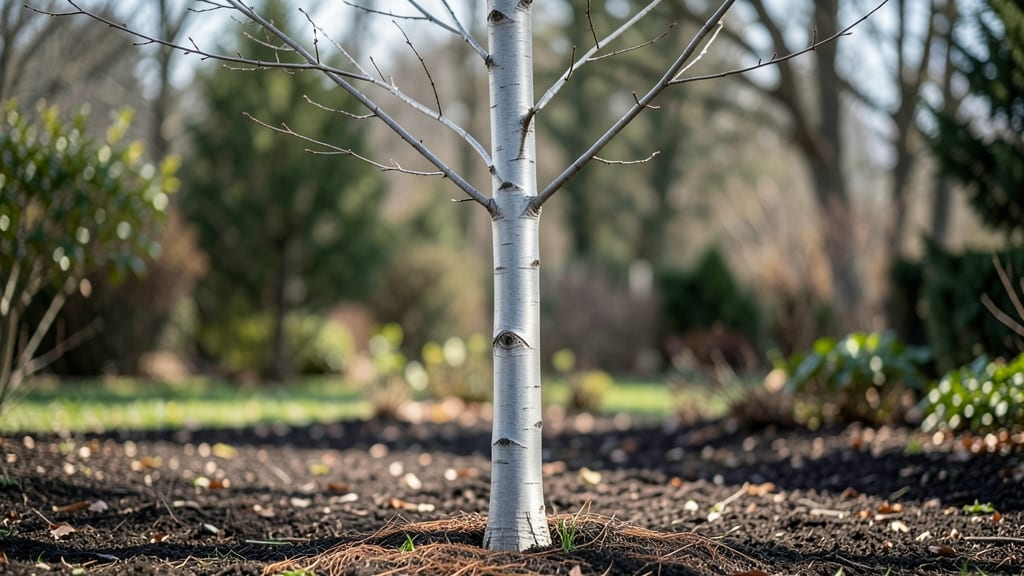
Swedish columnar aspen thrives where others freeze—its frost-resistant bark and upright form make it a standout in winter landscapes. 🌲 I’ve watched mine stand tall through -20°F winters, its smooth bark catching the light like polished silver.
Unlike most aspens, it holds its slender shape year-round, offering structure when other trees go dormant. The secret to its winter success? Thin, flexible branches that shed snow easily and deep roots that anchor against wind.
Prune in late winter (before buds swell) to encourage dense growth—just avoid heavy cuts, or you’ll weaken its cold resilience. A light mulch layer protects roots from extreme cold snaps. By spring, you’ll see fresh green shoots emerging from the base, proving winter didn’t break its spirit.
The tree’s year-round vertical interest makes it perfect for narrow spaces or as a living privacy screen. Even in harsh climates, it stays neat, elegant, and alive. For best results, plant in full sun and well-draining soil. Avoid compacted areas—its roots need room to breathe.
In windy zones, stake young trees temporarily to prevent winter stress. Patience pays off: mature specimens grow 30+ feet tall with minimal fuss.
📚 In This Guide
- What you need
- Instructions
- Tips and common mistakes
- Wrapping up and next steps
What you need
- ● Swedish columnar aspen saplings: 1–3 trees (depending on desired spacing; 6–10 ft apart for full visual impact). Choose Populus tremula ‘Fastigiata’ or similar cultivars.
- ● Well-draining soil: Native soil amended with compost (1–2 gallons per planting hole) or a 50/50 mix of topsoil and sand (for heavy clay areas).
- ● Mulch: 3–4 inches of wood chips or pine straw (keep 6 inches away from the trunk to prevent rot).
- ● Watering tools: Hose with adjustable nozzle (gentle spray setting for new roots).
- ● Watering can (for small saplings or container-grown trees).
- ○ Fertilizer (optional but recommended): Slow-release balanced fertilizer (10-10-10 or 20-20-20), 1–2 tbsp per tree at planting.
- ● Organic option: Fish emulsion or compost tea (diluted per label instructions).
- ● Shovel: Round-point or flat-edged (12–18 inches wide for digging planting holes).
- ● Pruning shears: Bypass pruners (sharp, 6–8 inch blades) for shaping or removing dead branches.
- ● Gloves: Heavy-duty gardening gloves (to protect from thorns and cold).
- ● Measuring tape: For marking planting depth and spacing.
- ○ Stakes & twine (optional): 3–4 ft wooden stakes + soft twine to support young trees in windy areas.
- ● Tree wrap: 1–2 layers of burlap or frost cloth (wrapped loosely around the trunk in late fall to prevent sunscald).
- ● Anti-desiccant spray: 1–2 coats of horticultural spray (like Wilt-Pruf) in late winter to retain moisture.
- ● Snow rake: For gently removing heavy snow buildup from branches (prevents breakage).
How to care for Swedish columnar aspen through winter's harshest months
This hardy tree thrives even when temperatures plummet—here's how to keep it stunning from frost to thaw.
☀️ Step 1: Assess Winter Sun Exposure and Adjust Pruning
Swedish columnar aspens handle winter beautifully, but their slender form makes them vulnerable to wind damage. Before the first frost, inspect for any dead or crossing branches and prune them back to the collar with clean, sharp shears. I always remove no more than 25% of the canopy—this maintains the tree's natural structure while preventing winter breakage.
Pay special attention to the top third of the tree, where wind stress concentrates. If your tree sits in a wind tunnel, consider installing a temporary burlap windscreen on the exposed side. The goal is to preserve the elegant columnar shape while reducing stress on the young wood. Prune on a dry day when temperatures are above 40°F to prevent shock.
🪴 Step 2: Mulch Strategically to Protect Roots and Retain Moisture
Spread 3-4 inches of organic mulch (like shredded bark or wood chips) around the base, keeping it 6 inches away from the trunk to prevent rot. This layer acts like a thermal blanket, shielding roots from extreme temperature swings that can cause heaving. I always use disease-free mulch—never fresh wood chips, which can harbor pathogens.
Check mulch depth annually in early spring. If it's broken down to 2 inches or less, add a fresh layer. The mulch should look dark and rich, not powdery or decomposed. For newly planted trees, extend the mulch circle slightly wider to encourage root expansion into the protected soil.
❄️ Step 3: Prepare for Ice Storms and Heavy Snow Load
Columnar aspens have narrow canopies that shed snow well, but ice buildup can snap branches. Before winter arrives, gently shake the tree to dislodge any persistent dead branches—these are weak points that will snap under ice weight. If you're in an area prone to 10+ inches of snowfall, consider installing a lightweight tree tie or sling to support the main trunk.
After heavy snowfall, check for ice accumulation on branches. If you see ½ inch or more of ice forming, gently tap the branches to dislodge it—never use tools that could damage the bark. The tree's natural flexibility helps it shed snow, but accumulated ice creates rigid stress points. Monitor the tree weekly during winter storms, especially if your region gets frequent freeze-thaw cycles.
🌱 Step 4: Plan Early-Spring Maintenance for Winter Recovery
As soon as the ground thaws but before new growth begins (typically late February to early March), inspect the tree for any winter damage. Look for bark splits, broken branches, or areas where the trunk has pulled away from the root plate. These are signs of winter stress that need immediate attention—prune out damaged wood and apply a tree wound dressing to prevent disease entry.
This is also the time to fertilize lightly if your soil is poor. Use a balanced 10-10-10 fertilizer applied at half the recommended rate—over-fertilizing in early spring can stress the tree after winter dormancy. Water deeply if your region experiences a dry early spring, keeping the soil evenly moist but not soggy until new growth appears.
🔍 Step 5: Monitor for Pest and Disease Resurgence
Winter dormancy weakens trees, making them more susceptible to pests like aphids or borers when spring arrives. Inspect the bark for sawdust-like frass (borer droppings) or sticky honeydew (aphid residue) in early spring. If you spot these signs, treat immediately with neem oil or horticultural oil—these are organic options that won't harm the tree's delicate new growth.
Watch for fungal issues like canker disease, which appears as sunken, discolored patches on the bark. Remove infected branches 6 inches below the affected area and sterilize your pruners with rubbing alcohol between cuts. Swedish columnar aspens are generally disease-resistant, but winter stress can lower their defenses. A proactive inspection now prevents major problems later in the season.
Tips & tricks for perfect Swedish columnar aspen winter care
Between us, I've watched these trees survive brutal winters while others in the yard struggled—here's what makes the difference.
Pruning Precision: When you're trimming in Step 1, focus on removing branches that cross or rub against each other. These are the weak points that will split under winter ice load. I use a bypass pruner for clean cuts—never tear branches, which creates jagged wounds that invite disease. The 25% canopy rule is non-negotiable: exceeding this weakens the tree's structural integrity during high winds.
Mulch Maintenance: That 3-4 inch mulch layer in Step 2 isn't just decoration—it's your tree's winter blanket. I've seen roots heave out of frozen soil when mulch was too thin. Use cedar mulch if available—it naturally repels pests while breaking down slowly. The key is keeping it 6 inches from the trunk—any closer causes rot. Pro tip: Refresh mulch in early spring before new growth begins to maintain that protective layer.
Ice Storm Strategy: For the ½ inch ice threshold mentioned in Step 3, I've found that plastic tree ties (not wire) work best for support—they won't cut into the bark. If you're in a high-ice zone, consider installing tree guards—they create a microclimate that prevents ice accumulation on branches. After storms, check for sap bleeding—this is normal but excessive bleeding indicates stress that needs attention.
Spring Recovery Insight: That late February to early March window in Step 4 is critical for spotting winter damage. I look for sunken bark—a sure sign of canker disease. For wound dressing, I prefer pruning sealant with copper fungicide—it prevents infection while allowing the wound to heal naturally. The half-rate fertilizer application is crucial: these trees are coming out of dormancy, and too much nitrogen can burn their delicate new growth.
Pro Tips for Swedish Columnar Aspen In Winter
- Between us, I've watched these trees survive brutal winters while others in the yard struggled—here's what makes the difference.
- Pruning Precision: When you're trimming in Step 1, focus on removing branches that cross or rub against each other.
- Mulch Maintenance: That 3-4 inch mulch layer in Step 2 isn't just decoration—it's your tree's winter blanket.
Frequently asked questions
about Swedish columnar aspen in winter—because even the hardiest trees need a little extra love (and answers!) when the snow flies.How cold can Swedish columnar aspen tolerate?
These aspens are seriously cold-hardy, thriving in USDA zones 2-7. They can handle temperatures as low as -40°F (-40°C) without flinching—perfect for northern climates! Just ensure they’re planted in well-draining soil to avoid root rot from winter melt.
Do Swedish columnar aspens lose their leaves in winter?
Yes! Like most aspens, they’re deciduous and shed leaves in fall. However, their slim, upright form remains striking even without foliage—think of them as winter’s elegant silhouettes. Snow clinging to their branches adds extra charm!
Can I plant Swedish columnar aspen in late fall or early winter?
While spring or early fall is ideal, you can plant them in late fall (before the ground freezes) or early winter in mild climates. Just water thoroughly before frost sets in and mulch heavily (3–4 inches) to protect roots. Avoid planting if heavy snow is forecasted.
What’s the best alternative if Swedish columnar aspen aren’t available?
If these aren’t in stock, consider ‘Fastigiata’ European aspen (similar shape) or columnar birch (like ‘Fastigiata’ or ‘Tristis’). For evergreen options, try columnar spruce (e.g., ‘Fastigiata’ Norway spruce) or ‘Sky Pencil’ holly for year-round structure.
Why are my aspen’s branches turning brown or brittle in winter?
Brown/brittle branches often signal winter burn (dry, cold winds) or salt damage (if near roads). To fix it:
- Apply anti-desiccant spray in late fall.
- Avoid de-icing salts near the tree.
- Prune dead branches in early spring (never in winter).
Wrapping up and next steps
Swedish columnar aspen trees bring year-round charm to your landscape, thriving even in winter’s frost with their elegant, upright form and delicate bark. Their resilience and minimal care requirements make them a perfect choice for low-maintenance beauty—ideal for urban gardens, small yards, or even container plantings. 🌲❄️
Ready to add this frost-resistant stunner to your outdoor space? Start by sourcing a healthy sapling, prepping your soil, and giving it a sunny spot. With just a little patience, you’ll enjoy its striking silhouette for seasons to come!
- Next step: Research local nurseries or online retailers for Swedish columnar aspen saplings.
- Pro tip: Consider pairing it with winter berries or evergreens for extra seasonal flair! ✨