
Vegetables
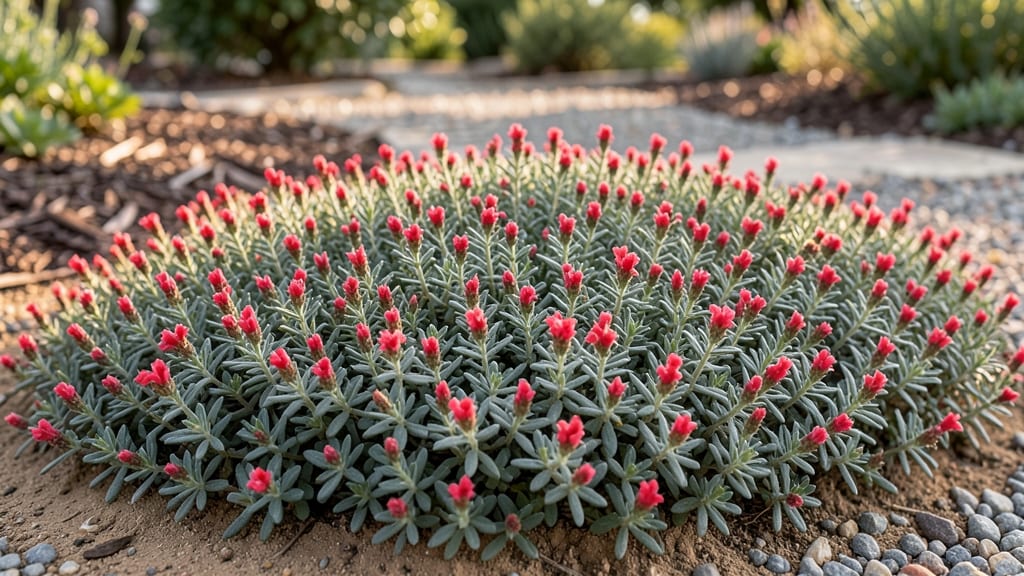
Growing red creeping thyme in South Carolina gives you a drought-proof, fragrant ground cover that thrives year-round without fuss. 🌿 The vibrant red foliage stays lush through our hot summers and mild winters, making it the perfect solution for sunny slopes, between stepping stones, or as a living mulch that suppresses weeds naturally.
This hardy perennial spreads effortlessly, creating a dense carpet that needs almost no maintenance once established.
South Carolina’s climate is actually ideal for red creeping thyme—it handles our humid summers and mild winters with ease, as long as you plant it in well-draining soil and give it full sun (at least 6 hours daily). The real secret to keeping that rich red color?
Watering deeply but infrequently—this plant despises soggy roots and will tell you when it’s thirsty by turning a dull gray-green. Once settled in, it barely needs watering, making it perfect for low-water landscapes.
What you’ll love most is how low-maintenance this plant truly is. Prune lightly in early spring to encourage fresh growth, and you’ll have a vibrant red carpet that stays weed-free and fragrant all season long.
It pairs beautifully with native SC plants like coreopsis and salvia, creating pollinator-friendly gardens that thrive with minimal effort. The best part? No pesticides needed—this thyme is naturally resistant to pests and diseases.
If you’re ready to transform a sunny spot into a lush, fragrant ground cover that requires almost no attention, red creeping thyme is your answer. Start with 6-inch spacing between plants, and within a year, you’ll have a dense, vibrant mat that outshines any other ground cover.
Here’s how to get started without a single headache.
📚 In This Guide
- What you need
- Instructions
- Tips and common mistakes
- Wrapping up and next steps
What you need
- ● Red creeping thyme plants – 10–20 plants per 100 sq. ft. (check local nurseries for South Carolina-adapted varieties).
- ● Well-draining soil – Amend heavy clay soil with compost or sand (1–2 inches mixed into the top 6 inches of soil).
- ○ Mulch (optional but recommended) – Pine straw or shredded bark (2–3 inches thick) to retain moisture and suppress weeds.
- ● Pruners or shears – Bypass pruners for clean trimming (sterilize with rubbing alcohol between cuts).
- ● Garden hose or watering can – For initial watering (avoid overhead sprinklers to prevent fungal issues).
- ● Garden gloves – To protect hands from prickly stems (nitrile-coated gloves work best).
- ● Soil pH test kit – Ideal pH for thyme: 6.0–7.0 (adjust with lime or sulfur if needed).
- ● Edging tool – To define borders neatly (especially if planting near pathways or lawns).
- ○ Slow-release fertilizer (5-10-5) – 1–2 tbsp per sq. ft. applied in early spring (optional for nutrient-poor soil).
- ● Drip irrigation system – For large areas (thyme thrives on drought but benefits from consistent moisture during establishment).
- ● Sunlight – Full sun (6+ hours/day) for optimal growth and color. South Carolina’s climate is perfect for this!
- ● Spaced-out planting – Allow 12–18 inches between plants for airflow and expansion.
- ● Patience – Thyme spreads slowly but steadily—give it 2–3 years to fully establish.
Step-by-step guide to planting red creeping thyme in South Carolina
This hardy ground cover thrives in our humid climate—here’s how to establish it for lush, year-round color.
🌱 Step 1: Select and Prepare the Planting Site
Red creeping thyme adores full sun and well-drained soil, so choose a spot with at least 6 hours of direct sunlight daily. In South Carolina’s heat, afternoon shade helps prevent leaf scorch, but morning sun is ideal. Test your soil—thyme tolerates poor soil but flourishes in slightly alkaline conditions (pH 6.0-7.0). If your soil is heavy clay, amend with 1-2 inches of compost mixed into the top 6 inches of soil.
Remove any weeds or grass from the area, as thyme competes poorly with aggressive ground covers. Loosen the soil with a garden fork to improve drainage—thyme roots rot quickly in soggy conditions. The perfect site balances sun exposure and drainage, ensuring vibrant red foliage all season.
🪴 Step 2: Plant Red Creeping Thyme Properly
Space plants 9-12 inches apart to allow for spreading. Dig holes slightly larger than the root ball, then place each plant so the top of the root ball sits even with the soil surface. Press the soil gently around the roots to eliminate air pockets, but avoid compacting it too firmly—thyme needs room to breathe.
Water deeply right after planting to settle the soil and encourage root contact. Mulch with 1 inch of pine straw or gravel (avoid thick organic mulch, which can suffocate roots). This step is critical—proper planting depth and spacing prevent future crowding and ensure even coverage.
☀️ Step 3: Establish Watering and Maintenance Routine
Water newly planted thyme 1-2 times per week for the first 4-6 weeks, keeping the soil evenly moist but never soggy. Once established, red creeping thyme is drought-tolerant—water only when the top 1 inch of soil feels dry. In South Carolina’s summers, this usually means every 10-14 days, but adjust based on rainfall.
Fertilize lightly once a year in early spring with a balanced, slow-release fertilizer (10-10-10) at half-strength. Over-fertilizing encourages leafy growth at the expense of the vibrant red hue. Prune back any woody stems in late winter to encourage fresh, colorful growth—this keeps thyme dense and lush.
✂️ Step 4: Prune and Encourage Spreading
Shear the thyme lightly in late spring or early summer to maintain its height at 2-3 inches. Use sharp shears and cut just above the woodier stems to promote bushier growth. Avoid cutting into bare wood, as thyme may not regrow from those areas. This step is key to preventing leggy growth and keeping the red foliage vibrant.
Let the thyme spread naturally—it will fill in gaps over time. If you want to encourage faster coverage, gently tug back any overgrown sections in early spring. Red creeping thyme is hardy and self-sustaining once established, making it a perfect low-maintenance ground cover for South Carolina landscapes.
🌿 Step 5: Protect and Enjoy Year-Round
In South Carolina’s mild winters, red creeping thyme stays green and vibrant. A light mulch of pine straw in late fall helps protect roots from freezing temperatures. This ground cover is deer-resistant and thrives with minimal intervention, making it ideal for borders, slopes, and between stepping stones.
Watch for signs of stress—yellowing leaves often indicate overwatering, while crispy edges signal drought. Adjust your care routine accordingly. With proper planting and maintenance, your red creeping thyme will provide year-round color and texture with almost no effort.
Tips & tricks for perfect red creeping thyme in South Carolina
Here's what I've learned after years of growing this vibrant ground cover—these tricks will help your red creeping thyme thrive with minimal effort.
Site Selection Secret: While Step 1 mentions full sun, I've found that morning sun with afternoon shade in South Carolina's intense summers actually preserves that stunning red hue longer. The afternoon shade prevents leaf scorch while still giving you those 6 hours of direct sunlight. Look for spots with natural afternoon shade from nearby trees or structures.
Soil Preparation Pro Tip: The instructions recommend 1-2 inches of compost, but I take it a step further by mixing in a handful of sand or perlite when amending clay soil. This creates tiny air pockets that improve drainage dramatically—thyme roots absolutely hate soggy conditions. Think of it as giving your thyme's roots a spa treatment for better airflow.
Planting Depth Watch: In Step 2, planting with the root ball even with the soil surface is crucial, but I've seen many gardeners bury it slightly too deep. Use your finger to gently press the soil around the roots—if you can't see the top of the root ball, you've gone too far. Proper depth ensures strong root establishment without suffocating the plant.
Watering Wisdom: The 1-2 times per week guideline is perfect, but I've discovered a simple trick to check moisture: stick your finger about 1 inch into the soil. If it feels dry at that depth, it's time to water. This method is far more reliable than guessing based on days since last watering, especially in South Carolina's variable humidity patterns.
Pro Tips for Red Creeping Thyme South Carolina
- Here's what I've learned after years of growing this vibrant ground cover—these tricks will help your red creeping thyme thrive with minimal effort.
- Site Selection Secret: While Step 1 mentions full sun, I've found that morning sun with afternoon shade in South Carolina's intense summers actually preserves that stunning red hue longer.
- Soil Preparation Pro Tip: The instructions recommend 1-2 inches of compost, but I take it a step further by mixing in a handful of sand or perlite when amending clay soil.
Frequently asked questions
Got questions about growing red creeping thyme in South Carolina? You’re not alone! Here are some of the most common ones—and their answers—to help you thrive with this vibrant, low-maintenance ground cover.
Is red creeping thyme drought-tolerant?
Absolutely! Once established, red creeping thyme thrives on minimal watering—perfect for South Carolina’s hot, dry summers. Water deeply after planting, then let it go. Overwatering can lead to root rot, so aim for 1 inch of water per week (including rainfall). Mulch lightly to retain moisture without smothering the plant.
How long does it take to spread and fill in?
Patience is key! Red creeping thyme spreads slowly but steadily, typically taking 1–2 years to fully cover a 10x10-foot area. For faster results, plant plugs 12–18 inches apart and trim back in early spring to encourage bushier growth. In ideal conditions (full sun, well-drained soil), you’ll see noticeable progress by year two.
Will red creeping thyme attract bees or pests?
Great news for pollinators—this thyme is a bee magnet! Its fragrant flowers draw bees, butterflies, and beneficial insects. As for pests, it’s generally resistant to deer and rabbits (thanks to its aromatic oils), but watch for aphids or spider mites in extreme drought. A quick spray of water or neem oil usually clears them up.
Does red creeping thyme survive South Carolina winters?
Yes! This hardy perennial handles South Carolina’s winters (USDA Zones 5–9) with ease. It may turn brown in cold snaps but rebounds in spring. For extra protection, add a light mulch layer (2–3 inches) in late fall. Avoid heavy mulch, which can suffocate the plant.
What’s a good alternative if thyme isn’t my style?
If you want colorful, low-maintenance ground covers for SC, consider:
- ‘Cable’ sedum (drought-proof, succulent-like, pink flowers)
- ‘Dragon’s Blood’ stonecrop (deep red foliage, thrives in shade)
- ‘June Bride’ phlox (fragrant, pink blooms, attracts pollinators)
- ‘World’s Greatest’ sedum (sun-loving, vibrant orange-red tones)
Wrapping up and next steps
Red creeping thyme is a dream ground cover for South Carolina’s climate—offering vibrant color, drought resistance, and minimal upkeep. Whether you’re enhancing pollinator gardens, suppressing weeds, or adding a pop of red to your landscape, this hardy plant delivers beauty with almost no fuss. Ready to transform your outdoor space?
🌱 Next Steps:
- Start small—plant a patch in a sunny spot and watch it thrive!
- Share your progress with fellow gardeners (or tag us on social media).
- Explore complementary plants like lavender or sedum for a stunning combo.