
Vegetables
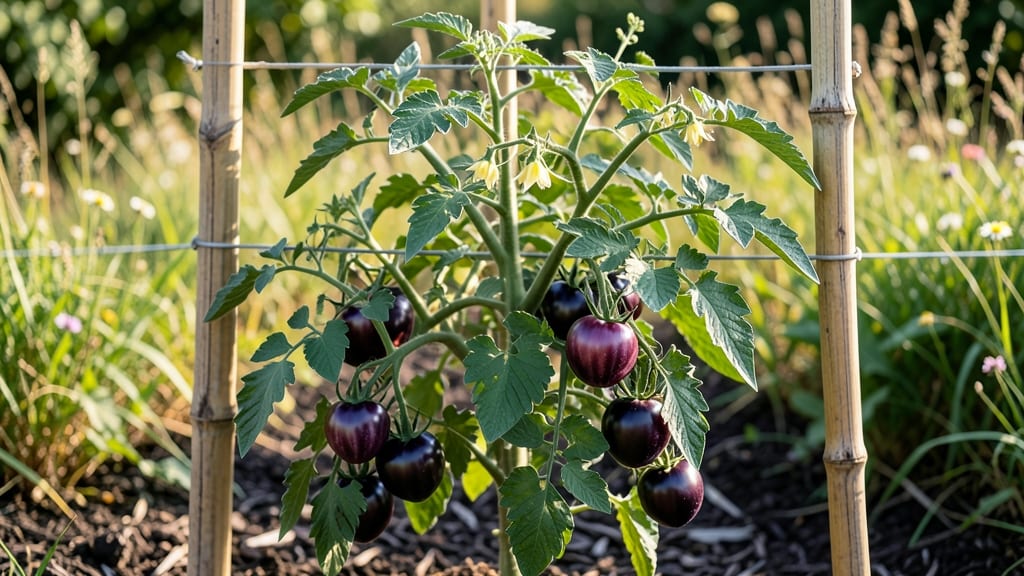
Growing purple tomatoes in New Hampshire’s rocky soil and short season is absolutely doable—if you pick the right variety and time it perfectly. 🌱 I’ve grown Purple Cherokee and Black Krim for years in my 6x4-foot raised beds, and they thrive with the right prep, even when summer feels like a sprint.
The key? Start seeds indoors in early April and transplant after the last frost, when soil warms to at least 55°F.
New Hampshire’s thin, rocky soil needs a boost—mix in 3 inches of compost and a handful of balanced fertilizer at planting. Purple tomatoes love full sun (at least 6-8 hours daily) and consistent moisture, so mulch heavily to retain water and suppress weeds.
They’re also more resistant to common NH pests like hornworms and early blight, but watch for aphids and spider mites in dry spells.
By mid-July, you’ll see clusters of deep purple fruit ripening—earlier than many heirlooms. These tomatoes are sweeter and more complex than red varieties, perfect for slicing, sauces, or even roasting. In my garden, they keep producing until first frost, often yielding 8-10 pounds per plant with proper care.
For NH growers, source seeds from local nurseries like Baker Creek Heirloom Seeds (they ship early!) or Portland Nursery. If space is tight, try container growing—just ensure pots are at least 5 gallons deep.
The secret to success? Don’t rush—purple tomatoes need time to ripen fully, so protect them with row covers if frost threatens early.
📚 In This Guide
- What you need
- Instructions
- Tips and common mistakes
- Wrapping up and next steps
What you need
- ● Purple tomato seeds or seedlings: Choose indeterminate varieties like 'Purple Cherokee' or 'Black Krim' (3-5 plants for a small harvest).
- ● Containers or raised beds: 5-gallon fabric grow bags (2-3 per plant) or
- ● Raised beds (minimum 12" deep, 18" wide)
- ● High-quality potting mix: 10-15 lbs of organic, well-draining mix (e.g., Black Gold or Fox Farm Ocean Forest).
- ● Slow-release fertilizer: 1 lb of balanced (10-10-10) or tomato-specific granules.
- ● Compost or worm castings: 1-2 cups per plant (boosts nutrients!).
- ● Support system: Cage or trellis (6-8 ft tall for indeterminate varieties)
- ● Bamboo stakes (3-4 per plant) or twine for DIY support
- ● Hand trowel or small shovel (for planting/seeding).
- ● Watering can or drip irrigation system (consistent moisture is key!).
- ● Pruning shears (for trimming suckers and dead leaves).
- ● Thermometer (to monitor soil/air temps, especially in NH’s cool springs).
- ● Row cover or frost cloth (for early/late-season protection).
- ● Gloves & knee pads (because gardening is hard work!).
- ● Grow lights or LED bulbs (for winter/early spring extension).
- ● Mulch (straw or shredded leaves) (retains moisture and regulates temp).
- ● Fish emulsion or seaweed extract (liquid feed for extra nutrients).
- ● Plant markers (to track varieties in small spaces).
- ● Heated grow mat (for indoor starts in NH’s short season).
Step-by-step guide to growing purple tomatoes in New Hampshire’s climate
Here’s how I’ve adapted purple tomato varieties to thrive in NH’s short seasons—with tricks to extend harvests and maximize small spaces.
🌱 Step 1: Select Cold-Tolerant Purple Varieties and Start Early Indoors
Choose Indigo Rose or Purple Cherokee—both handle NH’s cooler springs better than standard red tomatoes. I start seeds 8-10 weeks before last frost (early April in most of NH) using a seedling heat mat to maintain 75-80°F soil temps. Purple varieties need consistent warmth to germinate, so I pre-warm the seed-starting mix in the microwave for 30 seconds before sowing.
Plant 2 seeds per cell in 2-inch peat pots filled with sterile seed-starting mix (never garden soil—it’s too dense). Press seeds ¼ inch deep and mist lightly. Cover with a humidity dome but remove it immediately once sprouts appear—condensation encourages damping-off. Expect germination in 7-12 days, though cooler NH basements may take longer.
☀️ Step 2: Harden Off and Transplant After Frost Risk Passes
Start hardening off 2 weeks before last frost by placing seedlings outside in partial shade for 1 hour daily, gradually increasing time. Purple tomatoes are more sensitive to cold than reds, so I wait until soil temps hit 60°F before transplanting—usually mid-May in southern NH or late May in northern zones. Choose a south-facing spot with 6-8 hours of sun and amend the soil with compost to improve drainage.
Transplant seedlings 18-24 inches apart in a 5-gallon container or directly into the ground. Bury stems deeper than the original pot—purple varieties develop roots along the stem, giving them extra stability. Water deeply at transplanting to settle soil and reduce shock. Mulch with straw to retain moisture and protect against NH’s unpredictable spring frosts.
💧 Step 3: Manage Water and Fertility for Vibrant Purple Fruits
Purple tomatoes need consistent moisture—let the top 1 inch of soil dry between waterings, but avoid wetting leaves to prevent disease. I use drip irrigation set to early morning to keep foliage dry. Purple varieties are prone to blossom-end rot, so I add calcium-rich fertilizer (like crushed eggshells) at planting and every 4 weeks afterward. Too much nitrogen makes them leafy but fruitless—stick to a balanced 10-10-10 formula.
Prune suckers (the shoots between main stems and branches) weekly to focus energy on fruit production. Purple tomatoes ripen slower than reds, so I remove lower leaves to improve airflow and cage plants with 6-foot tomato towers to save space. In NH’s humid summers, I spray with neem oil preventatively to deter pests like hornworms.
⏰ Step 4: Extend the Season with Row Covers and Greenhouses
To squeeze extra weeks out of NH’s short season, I cover plants with floating row covers in early fall when temps dip below 50°F. This protects fruits from early frosts and extends harvests into October. For a true year-round hack, grow one plant in a 5-gallon container and move it under a small greenhouse or grow light in winter. Purple tomatoes need 14+ hours of light to ripen indoors, so supplement with full-spectrum LEDs if natural light drops below 6 hours daily.
Harvest when tomatoes turn deep purple and yield slightly to pressure. Store unripe fruits in a cool, dark place to finish ripening—purple tomatoes often need 2-3 weeks to fully color after picking. In NH’s climate, I prioritize Indigo Rose for its disease resistance and sweet flavor, even if it means a slightly shorter harvest window.
Tips & tricks for growing purple tomatoes in New Hampshire
Here’s what nobody tells you about growing purple tomatoes in NH’s tricky climate—these are the secrets that’ll keep your plants thriving all year.
Seed Starting Precision: The 8-10 week timeline before last frost is critical, but don’t rush—purple varieties need that full window to develop strong roots. I’ve learned the hard way that cooler NH basements can delay germination beyond the 7-12 day range, so if you’re in a chilly space, consider using a seedling heat mat set to maintain those 75-80°F soil temps consistently. Pre-warming the seed-starting mix for just 30 seconds in the microwave creates the perfect germination environment without overheating.
Hardening Off Strategy: Purple tomatoes are more delicate than red varieties, so the 2-week hardening off period demands extra attention. Start with just 1 hour daily in partial shade, then gradually increase exposure. Watch for wilting—this is your cue to slow down. I’ve found that waiting for 60°F soil temps before transplanting prevents shock, especially in NH’s unpredictable spring weather. A south-facing spot with 6-8 hours of sun is non-negotiable for vibrant fruit production.
Rooting Technique: When transplanting, bury stems deeper than the original pot—this might feel counterintuitive, but purple varieties develop roots along the stem, creating a stronger plant. I’ve seen firsthand how this technique prevents toppling in NH’s windy conditions. Pair this with deep watering at transplanting to settle soil and reduce shock, and you’ll give your plants the best possible start.
Season Extension Hacks: To push harvests into October, I cover plants with floating row covers when temps dip below 50°F. For year-round growing, dedicate one plant to a 5-gallon container and move it under grow lights when natural light drops below 6 hours daily. Purple tomatoes need 14+ hours of light to ripen indoors, so full-spectrum LEDs are worth the investment for that perfect indoor harvest.
Pro Tips for Purple Tomato Nh
- Here’s what nobody tells you about growing purple tomatoes in NH’s tricky climate—these are the secrets that’ll keep your plants thriving all year.
- Seed Starting Precision: The 8-10 week timeline before last frost is critical, but don’t rush—purple varieties need that full window to develop strong roots.
- Hardening Off Strategy: Purple tomatoes are more delicate than red varieties, so the 2-week hardening off period demands extra attention.
Frequently asked questions
Got questions about growing purple tomatoes in New Hampshire? You’re not alone! Here are some of the most common queries—plus quick, actionable answers to help you crush your harvest, even in small spaces.
How long does it take for purple tomatoes to grow from seed in NH’s climate?
Purple tomatoes typically take 70–90 days to mature from seed, but in NH’s shorter growing season (Zone 4–5), start seeds indoors 6–8 weeks before your last frost date (usually mid-May). Use grow lights to extend daylight if needed—purple varieties like Indigo Rose or Black Krim thrive with 12+ hours of light daily.
Can I grow purple tomatoes in NH’s cold weather, or do I need a greenhouse?
While purple tomatoes love warmth, you can grow them in NH with a few tricks! Use black plastic mulch to warm soil, plant in containers near a south-facing wall (or under a cold frame), and choose early-maturing varieties. A small greenhouse or hoop tunnel extends the season by 4–6 weeks—worth it for that sweet, deep flavor!
What’s the best way to prune purple tomatoes for maximum yield in small spaces?
Prune indeterminate purple tomatoes (like Cherokee Purple) by removing suckers (the small shoots between main stems and branches) to direct energy to fruit. Leave 3–4 main stems and prune lower leaves to improve airflow. For determinate varieties (bush types), minimal pruning is needed—just pinch off early flowers to boost bigger harvests later.
What can I do if my purple tomato plants get blight or pests in NH?
NH’s humidity is a magnet for early blight and pests like aphids. Prevent blight with copper fungicide sprays and mulch (straw works great). For pests, neem oil or insecticidal soap is your best friend—spray early in the morning. Rotate crops yearly (avoid planting tomatoes in the same spot) and remove affected leaves immediately to stop spread.
Are there good alternatives to purple tomatoes for small-space NH gardens?
If purple tomatoes seem tricky, try these space-saving, cold-tolerant alternatives:
- Cherry tomatoes (e.g., Sweet 100) – Compact, prolific, and great for containers.
- Peppers (e.g., Jalapeño or Shishito) – Thrive in pots and add bold flavor.
- Bush beans (e.g., Blue Lake) – Fast-growing, nitrogen-fixing, and pest-resistant.
- Kale or Swiss chard – Cold-hardy greens that produce all season.
Wrapping up and next steps
Growing purple tomatoes in New Hampshire is a rewarding way to enjoy fresh, nutrient-rich produce—even in small spaces! Whether you’re a seasoned gardener or just starting out, this year-round hack proves that delicious harvests aren’t limited by climate or square footage.
With the right setup and care, you’ll be savoring homegrown tomatoes in no time.
Ready to take the next step? Start small—plant a single container or balcony garden this season, and watch your confidence (and tomato plants!) grow. Happy gardening, and may your NH harvest be bursting with color and flavor! 🌱🍅