
Vegetables
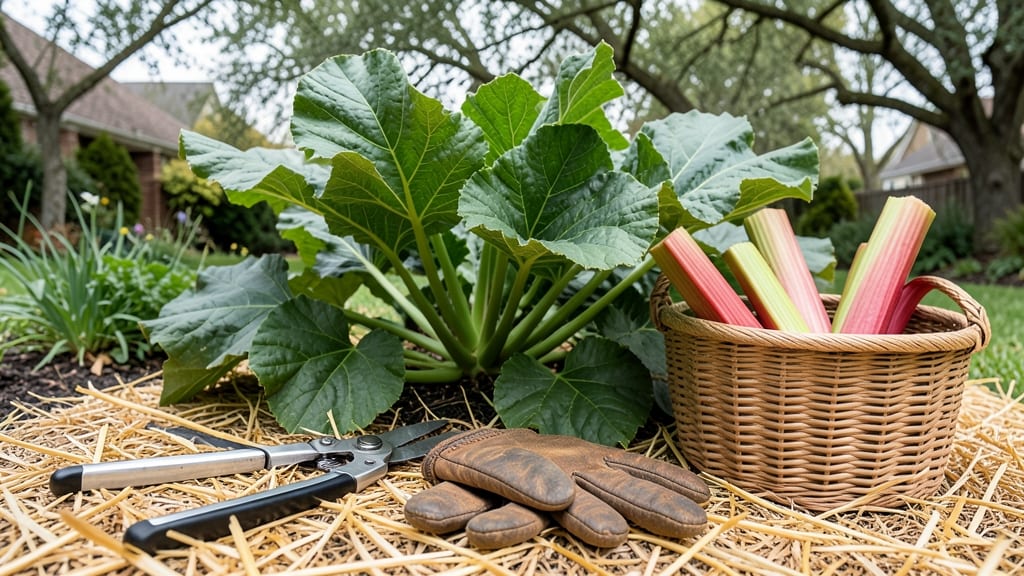
Preparing rhubarb for winter keeps those tart stalks coming for next year’s pies—and beyond. 🌱 I’ve learned the hard way that skipping winter care means weak growth, fewer stalks, and rhubarb that’s half the size by spring. The secret?
A little pruning, mulching, and crown protection that takes just 30 minutes but saves months of frustration. Start by cutting back the foliage to 6 inches above the crown once the stalks stop producing. This prevents disease and lets snow insulate the crown naturally.
In colder zones (below Zone 5), mound 4-6 inches of straw or leaves over the crown—this is your rhubarb’s winter blanket. Mild climates? A 2-inch layer of mulch keeps roots happy without smothering.
By spring, you’ll see stronger, more productive plants with thicker stalks—ready for your first harvest just weeks after frost. The freezer-friendly slices you prep now will still taste fresh in December, proving winter prep pays off twice: for the plant and your baking.
For Zone 6 and below, add an extra layer of mulch in January if temps dip below 10°F. Southern gardeners? Skip heavy mulch—rhubarb hates soggy roots. Either way, your rhubarb will thank you with years of reliable harvests.
📚 In This Guide
- What you need
- Instructions
- Tips and common mistakes
- Wrapping up and next steps
What you need
- ● Fresh rhubarb stalks: 1–2 pounds (or more, depending on your harvest). Look for firm, vibrant stalks with no signs of rot or sliminess.
- ● Sharp chef’s knife or kitchen shears: A 10-inch or 8-inch knife works best for clean cuts.
- ● Cutting board: A 12x18-inch plastic or wooden board to protect your counters.
- ● Large mixing bowl: A 4–6 quart bowl for rinsing and draining.
- ● Colander: A 8-inch stainless steel or plastic strainer for rinsing.
- ● Paper towels or clean kitchen towels: For drying stalks thoroughly.
- ● Freezer-safe bags or containers: Option 1: Gallon-sized freezer bags (with zip locks) – 2–4 bags depending on quantity.
- ● Option 2: Rigid airtight containers (like 1-quart or 2-quart plastic bins) – great for portion control!
- ○ Parchment paper or wax paper: For lining containers (optional but helpful for easy removal).
- ● Permanent marker: To label bags/containers with the date (trust us, this saves headaches later!).
- ● Sugar or simple syrup: ½ cup granulated sugar or 1 cup light corn syrup per bag (for sweetened rhubarb slices—great for pies!).
- ● Vacuum sealer: Extends shelf life by removing air (ideal for long-term storage).
- ● Food-safe gloves: If you’re handling large quantities and want to keep things sanitary.
- ● Freezer storage box: A clear plastic bin to organize labeled bags in your freezer.
Step-by-step guide to preserving rhubarb for winter baking
Here's my foolproof method for harvesting, prepping, and freezing rhubarb so it stays vibrant and ready for pies, compotes, and jams all winter long.
🌿 Step 1: Harvest at Peak Ripeness
Wait until early summer when stalks reach 12-18 inches tall and are firm but still tender—this ensures maximum sweetness and texture. Use a sharp knife to cut stalks at the base rather than pulling, which can damage the crown. I always harvest in the morning after dew has dried but before the sun peaks, as the stalks contain the most moisture and flavor at that time.
Remove any fibrous leaves (they're inedible and contain oxalic acid) and trim the bottom inch of each stalk to eliminate any lingering soil or tough fibers. Rinse the stalks under cool water to remove dirt, then pat them dry with a clean towel. This prep step is critical—wet rhubarb freezes poorly and can develop ice crystals that ruin texture.
✂️ Step 2: Slice Uniformly for Even Freezing
Slice stalks into ¼-inch thick rounds using a mandoline or sharp chef's knife for consistency. Uniform slices freeze evenly and thaw at the same rate, which is key for baking applications. I like to arrange the slices on a parchment-lined tray in a single layer, leaving ½-inch between each piece—this prevents them from sticking together during the initial freezing process.
Place the tray in the freezer for 2-3 hours until completely solid. This step is what prevents freezer burn and clumping later. Once frozen, transfer the slices to airtight freezer bags or vacuum-sealed containers. Label each with the date—properly stored rhubarb keeps for up to 12 months without losing quality.
💧 Step 3: Pre-Treat for Optimal Texture
For rhubarb destined for baking, I recommend a quick pre-treatment to maintain texture. Toss the frozen slices with 1 tablespoon of lemon juice per quart before sealing the bags. The acidity helps preserve color and prevents browning when thawed. You can also add 1 tablespoon of sugar per quart if you prefer slightly sweeter rhubarb straight from the freezer.
Squeeze out as much air as possible before sealing—oxygen is the enemy of long-term freezer storage. I use a straw to suck out excess air from bagged rhubarb before heat-sealing. Store the bags flat in the freezer to maximize space and prevent crushing. When ready to use, thaw overnight in the refrigerator or directly in recipes—no need to defrost separately.
⏰ Step 4: Thaw and Use Like Fresh
When you're ready to bake, simply transfer the frozen rhubarb slices directly from the freezer to your recipe. They'll thaw as they cook, and you won't notice any difference in texture or flavor compared to fresh. For compotes or sauces, I like to simmer the frozen rhubarb with equal parts water and sugar (about 1 cup liquid per 4 cups rhubarb) until tender.
Here's the thing—frozen rhubarb actually concentrates its flavor during storage, making it even more potent than fresh. You might need to adjust sweetener levels slightly in recipes, but the texture remains perfect for pies, crumbles, and even smoothies. The key is to use it within 12 months for best results, as flavor degradation begins after that point.
Tips & tricks for perfectly preserved rhubarb
These little details make all the difference between rhubarb that's ready for winter baking and rhubarb that turns mushy or flavorless.
Harvest Timing: The morning after dew dries but before noon is ideal for harvesting—this window captures peak moisture and sweetness. I've learned the hard way that harvesting in the afternoon often yields stalks with less vibrant color and slightly tougher texture. If you miss the morning window, harvest in the late afternoon instead of evening, as the stalks tend to lose moisture overnight.
Slice Consistency: Using a mandoline for those ¼-inch slices gives the most even results, but a sharp chef's knife works too—just measure against a ruler to ensure uniformity. The ½-inch spacing on the tray isn't just about preventing sticking; it also allows for faster freezing, which is crucial for maintaining texture. I always double-check my slices by holding them up to a light source—anything thicker than ¼-inch will take longer to thaw and may develop ice crystals.
Freezer Strategy: The 2-3 hour initial freeze is non-negotiable for preventing freezer burn. I place a small bowl of water in the freezer next to my rhubarb tray to maintain consistent humidity during this critical phase. Once frozen solid, I transfer the slices to bags immediately—never let them sit at room temperature longer than 10 minutes after removing from the freezer, or you'll risk condensation that leads to ice crystals.
Storage Wisdom: Labeling your bags with the date is worth the extra 30 seconds—rhubarb starts losing flavor after 12 months, and the texture becomes slightly mealy. I also include the harvest date on my labels, which helps me track how long the rhubarb has been stored. For maximum freshness, store bags flat rather than upright to prevent crushing, and avoid stacking heavy items on top of them in the freezer.
Pro Tips for Preparing Rhubarb For Winter
- These little details make all the difference between rhubarb that's ready for winter baking and rhubarb that turns mushy or flavorless.
- Harvest Timing: The morning after dew dries but before noon is ideal for harvesting—this window captures peak moisture and sweetness.
- Slice Consistency: Using a mandoline for those ¼-inch slices gives the most even results, but a sharp chef's knife works too—just measure against a ruler to ensure uniformity.
Frequently asked questions
Got questions about storing rhubarb for winter? You’re not alone! Here are answers to the most common concerns to help you preserve those tart-sweet stalks like a pro.
When is the best time to harvest and prep rhubarb for freezing?
Harvest rhubarb in late spring or early summer, when stalks are firm, crisp, and about 10–12 inches long. Avoid freezing rhubarb that’s overly mature or woody—it loses texture and flavor. Aim for peak freshness by prepping it within 24 hours of harvest for the best results.
Can I freeze rhubarb without blanching it first?
Blanching (dipping in boiling water, then ice water) helps preserve color and texture, but you can freeze rhubarb raw if you’re short on time. Raw-frozen rhubarb works well in baked goods (like pies or crumbles) but may turn mushy in recipes requiring texture, like sauces or stir-fries.
How long will frozen rhubarb last, and how do I know it’s gone bad?
Properly stored frozen rhubarb stays good for 8–12 months. To check for spoilage, look for ice crystals, off smells, or a slimy texture after thawing. If it smells sour or tastes funky, it’s time to toss it—safety first!
Is frozen rhubarb as good as fresh for baking?
Frozen rhubarb works perfectly in pies, muffins, and compotes—just thaw it first if the recipe calls for fresh. For sauces or jams, thaw and drain excess liquid to avoid a watery consistency. The tartness and fiber stay intact, making it a great pantry staple.
What if my rhubarb freezes before I can prep it?
No worries! If rhubarb freezes in the ground, dig it up and let it thaw indoors. Trim off any damaged or mushy parts, then wash and slice as usual. The texture may be softer, but it’s still safe to freeze—just use it in recipes where texture isn’t critical (like baked goods).
Wrapping up and next steps
Preparing rhubarb for winter is all about simple steps and smart storage—so you can enjoy its tangy-sweet flavor in pies, compotes, and baked goods all year long! 🌱 Whether you’re freezing slices, making jam, or fermenting stalks, your efforts will pay off with homemade goodness whenever cravings strike.
Now that you’re equipped with the know-how, why not pick your favorite method and start preserving today?
Ready to take the next step? Grab a basket of fresh rhubarb and dive into your winter prep—your future self (and taste buds) will thank you! 🍽️