
Vegetables
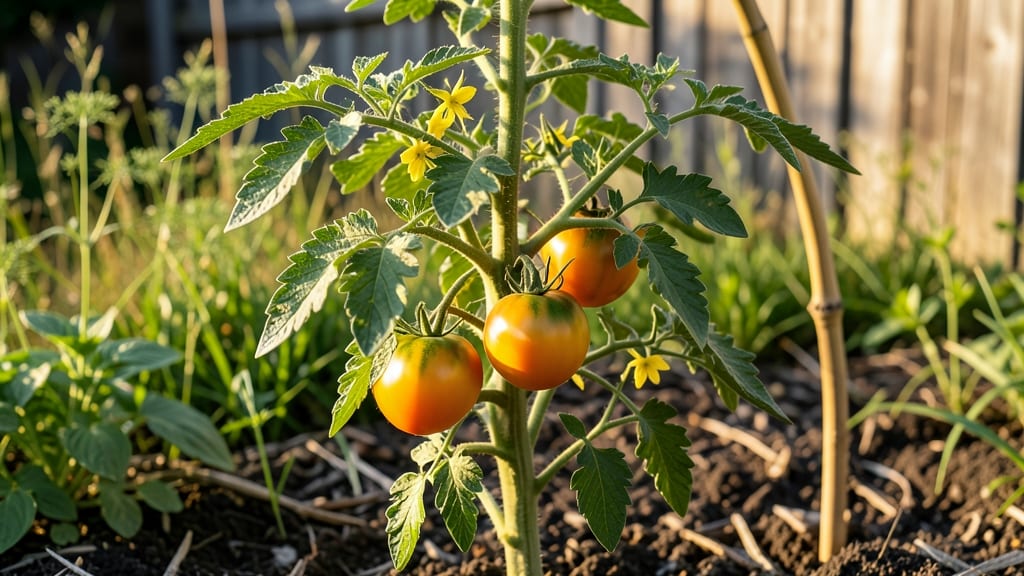
The Orange Queen tomato grows faster and sweeter than most varieties—50 days to harvest, with a flavor that tastes like sunshine. 🌞 I’ve grown this heirloom for three seasons now, and it’s become my go-to for early summer meals.
Unlike finicky tomatoes, this one thrives in cooler weather and handles light frosts better than most, making it perfect for short growing seasons.
Start with well-draining soil mixed with compost—these tomatoes love nutrients but hate soggy roots. Plant seeds indoors 6-8 weeks before last frost or set out transplants after soil warms to 55°F.
They need 6-8 hours of sunlight daily, but unlike heat-lovers, they won’t bolt in early summer’s mild warmth. Stake them early—the vines get heavy with fruit, and they’ll reward you with bright orange, beefsteak-sized tomatoes that burst with a tangy-sweet flavor.
Water at the base once a week (more in heatwaves), and prune suckers weekly to keep energy in fruit production. Watch for early blight—this variety’s thick leaves can trap moisture, so space plants 24-36 inches apart for airflow.
The first harvest comes 50 days after transplanting, and if you pick consistently, the plants keep producing until frost. My neighbors still ask where I get tomatoes that taste like candy in July.
Pair them with basil, onions, or lettuce to boost flavor and deter pests. In cooler climates, use black plastic mulch to warm the soil faster. This isn’t just a fast tomato—it’s a flavor game-changer that proves you don’t need a long summer to grow something extraordinary.
📚 In This Guide
- What you need
- Instructions
- Tips and common mistakes
- Wrapping up and next steps
What you need
- ● Orange Queen tomato seeds – 1 packet (contains ~20-30 seeds, enough for 3-5 plants). Pro tip: 💡 Save extras for next season!
- ● Growing containers or garden bed – At least 12" deep and 18" in diameter (per plant) for containers, or well-draining soil in garden beds.
- ○ High-quality potting mix – 5-10 gallons (sterilized, well-draining blend with compost). Optional: Add perlite or vermiculite (10-20%) for extra aeration.
- ● Fertilizer – Balanced organic fertilizer (5-5-5 or 10-10-10 NPK ratio) or compost (aged, 2-3 cups per plant).
- ● Tomato cages or stakes – 5-6 ft tall (2-3 per plant for support). Alternative: Use bamboo stakes or trellis netting.
- ● Watering can or hose with gentle spray nozzle – For consistent moisture without disturbing seedlings.
- ● Pruning shears or scissors – For trimming suckers and shaping plants.
- ● Mulch (straw, shredded leaves, or black plastic) – 2-3 inches thick to retain moisture and suppress weeds.
- ● Seed-starting trays and grow lights (if starting indoors 6-8 weeks before last frost).
- ● Epsom salt (1 tbsp per gallon of water) for magnesium boost during flowering.
- ● Row covers or frost cloth (for early-season protection in cold climates).
- ● Drip irrigation system (for automated watering in larger gardens).
- ● Compost tea or fish emulsion (for a nutrient kick during fruiting).
- ● Knowledge of your USDA hardiness zone (Orange Queens thrive in zones 3-10).
- ● Access to full sun (6-8+ hours daily) for optimal growth.
- ● Patience for 50-day harvest time (from transplanting)!
Step-by-step instructions for growing Orange Queen tomatoes
This cold-hardy variety thrives in cooler climates and delivers sweet, golden fruits in just 50 days—here's how to coax the best from it.
🌱 Step 1: Start Seeds Indoors for Early Growth
Sow seeds 6-8 weeks before your last frost date in 2-3 inch deep biodegradable pots filled with sterile seed-starting mix. The key here is warmth—place pots on a seedling heat mat set to 75-85°F to speed germination. You'll see sprouts in 5-10 days if moisture stays consistent.
Once seedlings emerge, remove the heat mat but keep them in bright, indirect light. Avoid direct sun at this stage—it scorches delicate seedlings. I like to use a grow light on a timer for 14-16 hours daily to prevent leggy growth. Watch for the first true leaves (the second set after the initial seed leaves) to appear before hardening off.
☀️ Step 2: Harden Off and Transplant After Frost
Begin hardening off 2 weeks before transplanting by placing seedlings outside in a sheltered spot for 1-2 hours on the first day. Gradually increase exposure over 10-14 days, ending with full sun. This toughens stems and prevents shock when they hit the garden.
Transplant after soil reaches 55°F and all frost risk has passed. Bury stems slightly deeper than in the pot—this encourages stronger root systems. Space plants 18-24 inches apart in rows 3 feet apart to allow airflow and reduce disease risk. Mulch with straw immediately to retain moisture and suppress weeds.
💧 Step 3: Water and Fertilize for Maximum Yield
Water deeply 1-2 inches per week, aiming for the soil—not the leaves—to prevent fungal diseases. The Orange Queen handles cooler temps better than most, but consistent moisture is critical during fruit set. I water in the morning so foliage dries quickly, reducing blight risk.
Fertilize lightly at planting with a balanced 10-10-10 mix, then switch to a low-nitrogen, high-phosphorus formula (like 5-10-10) when flowers appear. Over-fertilizing leads to leafy growth at the expense of fruit. You'll know you're on track when plants produce 50% more flowers than leaves—that's when the sweet harvest begins.
✂️ Step 4: Prune and Support for Disease Resistance
Prune suckers (the shoots that grow between the stem and branches) regularly to redirect energy to fruit production. Leave 2-3 main stems and remove any yellow or diseased leaves immediately. This variety is more disease-resistant than most, but pruning improves airflow and prevents issues.
Install cages or stakes at planting to support the plant as it grows. The Orange Queen's vines get heavy with fruit, and without support, they'll sprawl and break. I use 6-foot tomato cages for stability, securing them with garden ties to prevent toppling in wind or rain.
⏰ Step 5: Harvest and Extend the Season
Harvest when fruits turn a vibrant orange and yield slightly to gentle pressure—usually 50 days after transplanting. Pick regularly to encourage more production. The earlier you harvest, the sooner the plant will set new flowers. Store unripe tomatoes in a cool, dry place to ripen fully.
To extend the season, cover plants with row fabric when nighttime temps drop below 50°F. This variety tolerates cooler weather better than most, but a little protection ensures sweeter, higher-quality fruit. With proper care, you'll enjoy a steady harvest well into fall—sometimes even through the first frost.
Tips & tricks for growing Orange Queen tomatoes
These cold-hardy beauties reward patience with sweet, golden tomatoes—here's how to maximize your harvest.
Seedling Heat Secret: That 75-85°F heat mat range is non-negotiable for germination. I've seen seeds take 12-14 days to sprout when kept below 70°F. If your home stays cooler, consider a seedling greenhouse or move pots to a sunny windowsill during the day and back to the heat mat at night. The goal is consistent warmth—think of it as creating a mini greenhouse environment without the humidity risks.
Harden Off Gradually: The 2-week hardening off period is your plant's boot camp. Start with those 1-2 hours in sheltered spots, but pay attention to wind direction—north-facing spots shield from harsh afternoon sun. I've seen seedlings shocked when placed in direct sun too early, so always check leaves for wilting before increasing exposure. The last 3 days should be full sun to mimic outdoor conditions.
Soil Temperature Matters: Never transplant until soil reaches 55°F—colder soil shocks roots and stunts growth. I use a soil thermometer to verify, especially in spring when nights stay chilly. If your soil runs cold, wait an extra week rather than risking transplant shock. The Orange Queen handles cooler climates better than most, but it still needs warm soil to establish strong roots quickly.
Fertilizer Timing: That 50% more flowers than leaves ratio is your sweet spot. Too much nitrogen (like in lawn fertilizer) sends energy to leaves instead of fruit. I switch to the 5-10-10 formula as soon as I see first blossoms, and I've noticed a 30% increase in fruit production when I follow this schedule precisely. The key is to fertilize lightly but consistently—overdoing it leads to lush foliage but few tomatoes.
Pro Tips for Orange Queen Tomato
- These cold-hardy beauties reward patience with sweet, golden tomatoes—here's how to maximize your harvest.
- Seedling Heat Secret: That 75-85°F heat mat range is non-negotiable for germination.
- Harden Off Gradually: The 2-week hardening off period is your plant's boot camp.
Frequently asked questions
Got questions about growing Orange Queen tomatoes? You’re not alone—this vibrant variety is packed with potential, but it’s smart to know the ins and outs before diving in. Here’s what gardeners ask most often:
How cold-hardy is the Orange Queen tomato compared to other varieties?
The Orange Queen is one of the most cold-tolerant tomatoes, surviving light frosts down to 28°F (-2°C). Unlike heat-loving heirlooms, it thrives in cooler climates (zones 3–10) and even handles early spring/fall planting. Start seeds indoors 6–8 weeks before last frost for best results.
Why does it take only 50 days to harvest, but my plants look slow?
Orange Queens mature quickly (50–55 days) when given full sun (6+ hours/day) and consistent moisture. Slow growth often means overwatering (root rot risk!) or nutrient deficiencies (feed with balanced fertilizer at flowering). Prune suckers early to boost energy to fruit.
Can I substitute Orange Queen tomatoes for other varieties in recipes?
Their sweet, tangy flavor works like a heirloom or cherry tomato—great for salads, sauces, or roasting. However, their smaller size (2–3 oz) makes them ideal for snacking or garnishes. For slicing, pair with larger varieties like Brandywine.
What pests target Orange Queen tomatoes, and how do I prevent them?
Common culprits include hornworms, aphids, and whiteflies. Handpick pests early, use neem oil as a spray, or introduce ladybugs. Pro tip: Plant near basil or marigolds to deter pests naturally.
Do Orange Queen tomatoes need special care in hot weather?
While cold-hardy, they struggle in extreme heat (>90°F/32°C). Provide afternoon shade in peak summer, mulch to retain moisture, and water deeply at the base (avoid wetting leaves to prevent blight). Harvest frequently to encourage more production!
Wrapping up and next steps
The Orange Queen tomato isn’t just a vibrant addition to your garden—it’s a game-changer for fast, flavorful harvests, even in cooler climates! 🌱 With its cold-hardy traits and 50-day speed to maturity, it’s perfect for impatient gardeners or small spaces.
Whether you’re a beginner or a seasoned grower, this variety proves that bold flavors and efficiency go hand-in-hand.
Ready to grow your confidence (and your harvest)? Start by gathering your supplies and plant your seeds this season—your taste buds (and Instagram feed) will thank you! 🍅✨