
Vegetables
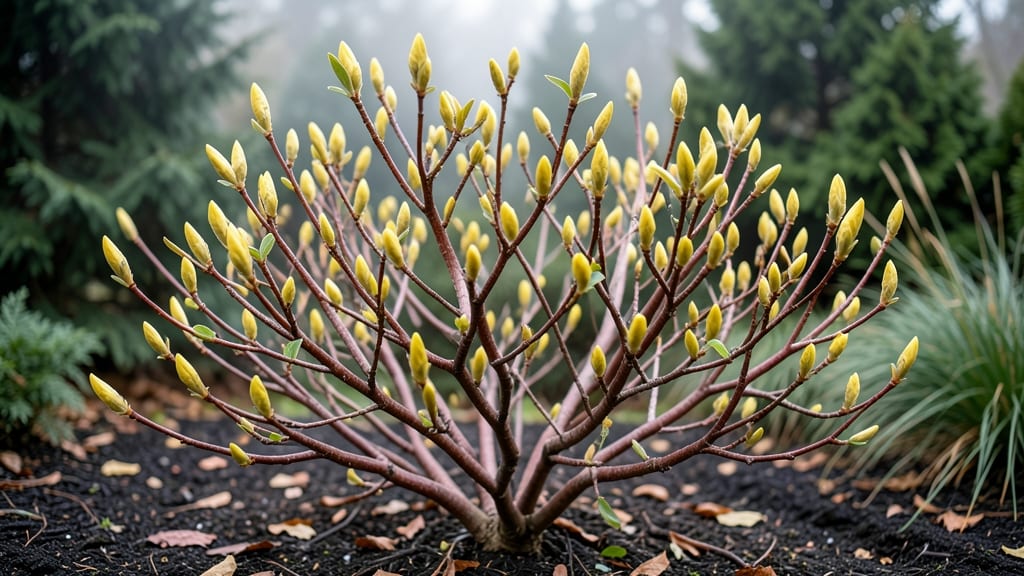
Lynwood Gold forsythia thrives in winter like a tough little survivor. 🌿 While other shrubs hibernate, this cold-resistant variety keeps its golden stems standing—even when temperatures drop below 10°F. The secret lies in its dormant but resilient branches, which store energy for explosive spring blooms.
Here's the thing—no fancy winter care is needed. Unlike finicky forsythias, Lynwood Gold sheds its leaves naturally and enters deep dormancy, protecting its stems from frost. The only maintenance?
Light pruning after blooms fade in early spring to shape the shrub and encourage new growth. No mulch, no wrapping—just let nature do its thing.
What you'll notice by late winter is those iconic golden stems waiting patiently for spring. They won't bloom until late winter or early spring, but their presence signals new life. The shrub's cold hardiness means you can plant it in zones 4-8 without worrying about winter damage.
For gardeners in colder zones, a single tip: avoid heavy pruning in fall, as new growth is more vulnerable to frost. The rest? Just admire those architectural stems against snow—proof that beauty and resilience go hand in hand.
📚 In This Guide
- What you need
- Instructions
- Tips and common mistakes
- Wrapping up and next steps
What you need
- ● Pruning shears or loppers – Sharp, clean tools (sterilize with rubbing alcohol to prevent disease).
- ● Gloves – Heavy-duty gardening gloves (for protection against thorns and cold).
- ● Mulch – 3–4 inches of organic mulch (shredded bark, straw, or wood chips).
- ● Burlap or frost cloth – Lightweight, breathable fabric (for wrapping young or tender stems).
- ● Watering can or hose – For deep watering (avoid overhead spraying in freezing temps).
- ○ Stakes or twine – Optional, for securing wrapped stems (if heavy snow is expected).
- ● Weather check – Wait for dry, above-freezing days (ideal temps: 40–50°F) to prune.
- ● Plant health assessment – Inspect for dead, diseased, or crossing branches before trimming.
- ● Local frost dates – Know your last frost date to time mulching/wrapping correctly.
How to care for Lynwood Gold forsythia through winter
Winter can stress even cold-hardy shrubs—here’s how to protect your Lynwood Gold forsythia’s delicate stems and ensure vibrant spring blooms.
🌿 Step 1: Assess Winter Damage Early
Wait until late winter—after the worst cold snaps—before pruning. Lynwood Gold forsythia often shows damage as brown, mushy stems or split bark. Gently peel back the outer bark on a few branches to check for green tissue underneath; if you see green, the stem is still alive. If the center is black or hollow, it’s dead and should be removed.
Real talk: Don’t rush this step. Pruning too soon can expose new growth to late frosts. I wait until mid-February in my zone 5 climate—adjust based on your last frost date. Use sterilized pruners to avoid spreading disease between healthy and damaged stems.
✂️ Step 2: Prune Dead and Weak Growth
Cut back all dead, broken, or crossing branches to just above a healthy bud or lateral branch. Lynwood Gold’s golden-yellow blooms form on old wood, so avoid heavy pruning—never remove more than one-third of the plant’s total growth. I shape the plant while standing back to maintain its natural, slightly rounded form.
Watch for sucker growth at the base—these compete with the main stems for nutrients. Thin them out immediately to redirect energy toward flowering. Use sharp, clean pruners to make cuts at a 45-degree angle, about ¼ inch above the bud. This prevents water from pooling and reduces rot risk.
💧 Step 3: Mulch and Hydrate for Spring Revival
Apply a 3-inch layer of organic mulch (like shredded bark or pine straw) around the base, keeping it 6 inches away from the trunk. This insulates roots from temperature swings and retains moisture. Water deeply once a month during dry winter spells—even dormant plants need hydration to recover from cold stress.
Here’s the thing—Lynwood Gold’s roots stay active in mild winters. If your soil feels dry 2 inches below the surface, give it a slow, deep watering. Avoid overhead sprinkling, which can freeze and damage tender buds. A soaker hose works best for targeted hydration.
☀️ Step 4: Protect from Late Frost and Windburn
If your region experiences late frosts after buds swell, cover the shrub with frost cloth at night. Secure it loosely—tight fabric can trap too much heat and damage buds. Remove the cloth by 10 AM to allow sunlight and airflow. Lynwood Gold’s golden foliage is stunning, but windburn can scorch new growth.
Position a windbreak (like a temporary lattice or burlap screen) on the plant’s exposed side if your yard gets harsh winter winds. I’ve seen forsythia leaves turn brown and crispy when exposed to dry, cold winds—a simple barrier makes a huge difference. Check for aphids or spider mites hiding in crevices; treat with neem oil if you spot them.
⏰ Step 5: Fertilize and Monitor for Spring Readiness
In early March, apply a balanced, slow-release fertilizer (like 10-10-10) around the root zone. Lynwood Gold responds well to low-nitrogen feedings—too much can promote leafy growth at the expense of flowers. Water the soil before and after applying fertilizer to help it reach the roots.
By late March, you should see new green shoots emerging from the base. If the plant looks sluggish, test the soil pH—forsythia prefers slightly acidic to neutral (6.0–7.0). Amend with sulfur if your soil is alkaline. A healthy Lynwood Gold will reward you with vibrant yellow blooms by April, marking the start of spring.
Tips & tricks for reviving cold-resistant forsythia stems
Here's what nobody tells you about winterizing forsythia—these insights will help you avoid common pitfalls and maximize spring blooms.
Timing is Everything: The mid-February pruning window in Step 1 is critical because late frosts can still damage new growth. I've learned this the hard way after seeing buds freeze twice in a row. Check your local frost dates and adjust accordingly—some regions may need to delay until early March. If you're unsure, wait until you see consistent daytime temperatures above 40°F for at least a week.
Pruning Precision: When cutting back in Step 2, focus on making clean cuts just above a healthy bud at a 45-degree angle. This technique prevents water from pooling at the cut site, which reduces rot risk. I always use sterilized pruners to avoid spreading disease between branches. For stubborn deadwood, make a small notch in the underside of the branch first—this helps guide your cut and prevents tearing.
Mulch Mastery: The 3-inch layer of organic mulch in Step 3 works wonders, but placement matters just as much as quantity. Spread it in a donut shape around the base, keeping it 6 inches away from the trunk. This prevents moisture buildup against the bark, which can lead to fungal issues. I've found that shredded cedar mulch works particularly well because it repels pests while retaining moisture.
Frost Protection Hacks: For late frosts in Step 4, I've had the most success with breathable frost cloth rather than plastic sheeting. The fabric allows sunlight to penetrate while still providing protection. If you don't have frost cloth, old bedsheets work in a pinch—just make sure they're secured loosely. For wind protection, consider using a temporary burlap screen on the most exposed side of your forsythia. This simple barrier has saved my plants from windburn damage multiple times.
Pro Tips for Lynwood Gold Forsythia In Winter
- Here's what nobody tells you about winterizing forsythia—these insights will help you avoid common pitfalls and maximize spring blooms.
- Timing is Everything: The mid-February pruning window in Step 1 is critical because late frosts can still damage new growth.
- Pruning Precision: When cutting back in Step 2, focus on making clean cuts just above a healthy bud at a 45-degree angle.
Frequently asked questions
Got questions about keeping your Lynwood Gold Forsythia thriving through winter?
Here are answers to the most common ones—so you can prep for stunning spring blooms without stress!
Does Lynwood Gold Forsythia die back completely in winter?
Lynwood Gold Forsythia is deciduous, meaning it will shed leaves and appear dormant in winter. Don’t panic! The woody stems are cold-hardy (USDA Zones 5-9) and will regrow vigorously in spring. Prune dead foliage in late winter to encourage fresh growth—just avoid cutting into live buds.
How do I protect Lynwood Gold Forsythia from heavy snow or ice?
While resilient, young plants or heavy snow loads can bend stems. Gently brush off snow with a broom or shake it off carefully. For extreme ice, wrap stems loosely in burlap to prevent cracking. Avoid mulching too close to the base—keep it 3-4 inches away to prevent rot.
Can I prune Lynwood Gold Forsythia in winter for better blooms?
Yes! Late winter (February-March) is ideal for pruning. Cut back one-third of the oldest stems to the ground to rejuvenate the plant and encourage dense, vibrant blooms. Avoid heavy pruning in fall—it can stimulate tender new growth that won’t survive frost.
What if my Lynwood Gold Forsythia doesn’t bloom in spring?
Lack of blooms often stems from over-pruning, poor sunlight, or nutrient deficiency. Ensure it gets 6+ hours of sun daily and fertilize in early spring with a balanced 10-10-10 formula. If stems are leggy, prune selectively to redirect energy to flowering.
Are there winter-care alternatives if I forget to mulch?
No mulch? No problem! Apply a 2-3 inch layer of evergreen boughs or straw around the base as a last-minute insulator. Water deeply before the first hard freeze to help roots withstand cold. Just avoid compacting the soil—keep it loose for airflow.
Wrapping up and next steps
Your Lynwood Gold Forsythia is a hardy winter warrior—with the right care, it’ll burst back to life in spring with show-stopping blooms! 🌸 Pruning dormant stems, protecting roots, and feeding the soil now ensures vibrant growth when temperatures rise. Don’t wait! Grab your gloves and give those branches a fresh start—your future floral display will thank you.
Next step: Schedule a quick winter check-in for your forsythia this weekend. Trim, mulch, and water lightly to set the stage for a bigger, brighter spring show!