
Vegetables
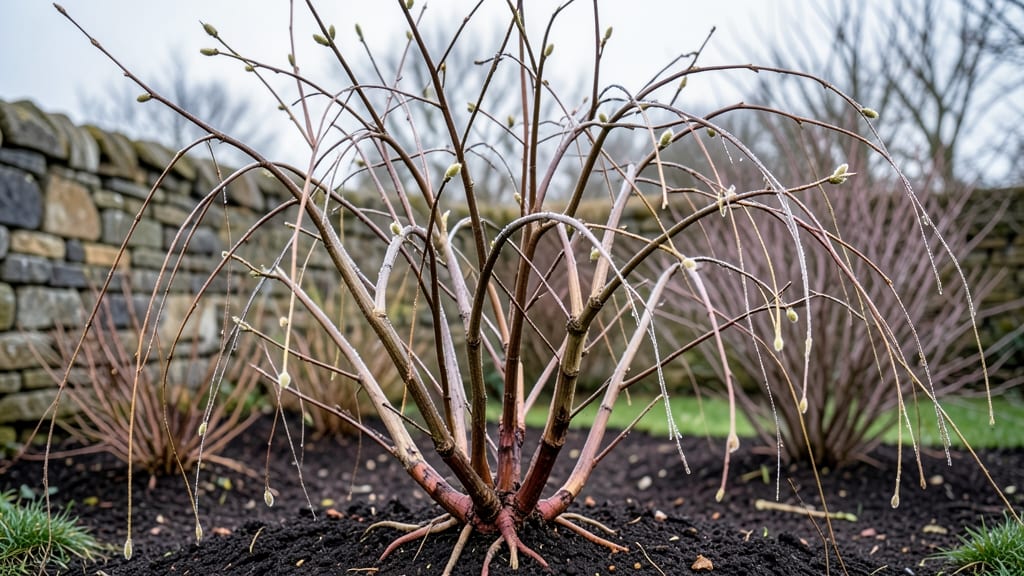
Hybrid willows in winter prove that cold doesn’t have to mean goodbye. 🌿 These hardy perennials don’t just survive—they stage a dramatic comeback each spring from scraps left behind after pruning. I’ve watched mine stand tall through -20°F winters, their dormant branches waiting patiently for warmer days.
The secret lies in their resilience: hybrid willows store energy in their roots and thick stems, so they bounce back even after heavy frost. You’ll only need to prune dead or damaged branches in early spring, giving them a clean start.
No fancy winter care is needed—just a little protection from harsh winds if your climate gets extreme. By late winter, you’ll spot the first green shoots pushing through, signaling the plant’s revival. The branches you pruned last fall can even be rooted in water for new plants—talk about free propagation!
This is gardening that feels almost magical. Works perfectly for cold climates, urban landscapes, or even as living fences. Here’s how to keep them thriving through the chill months.
📚 In This Guide
- What you need
- Instructions
- Tips and common mistakes
- Wrapping up and next steps
What you need
- ● Hybrid willow cuttings: 3–5 healthy, 12–18 inch long cuttings
- ● Freshly harvested (within 24 hours) from dormant or semi-dormant branches
- ● Rooting hormone: 1 small bottle (e.g., Clonex or similar)
- ● Well-draining potting mix: 1–2 gallons (peat-based or coco coir blend)
- ● Containers: Small pots (4–6 inches deep) or a seedling tray with drainage holes
- ● 3–5 units total (one per cutting)
- ● Watering can or spray bottle: For gentle hydration
- ○ Plastic bags or clear domes: To create a humid microclimate (optional but recommended)
- ● Cold frame or greenhouse: For overwintering (if propagating outdoors)
- ● Pruning shears: Sharp, sterilized (rubbing alcohol wipe)
- ● Measuring tape or ruler: To ensure cutting lengths
- ○ Gloves (optional): For handling thorny or rough branches
- ● Sunlight access: Bright, indirect light (4+ hours daily)
- ○ Thermometer (optional): To monitor soil temps (ideal: 60–75°F for rooting)
- ● Insulation: Straw, burlap, or bubble wrap for outdoor pots
- ● Windbreak: If planting outdoors (e.g., a temporary fence or barrier)
- ● Mulch: Straw or shredded leaves (2–3 inches) to protect soil
Step-by-step guide to reviving hybrid willow in winter
Bringing hybrid willow back from winter dormancy is easier than you think—just follow these simple steps.
🌿 Step 1: Identify Healthy Willow Scraps for Propagation
Look for 12-18 inch long cuttings with 3-4 nodes (those little bumps where leaves used to grow). The best scraps are pencil-thick and still firm, not mushy or dried out. I always check for greenish-brown color—this means the branch still has life in it.
Cut just below a node with clean, sharp pruners or shears. Avoid branches that look brittle or have blackened spots—those won’t root. Store them in a cool, dark place (like a garage) until you’re ready to plant, but don’t let them dry out completely. If you’re working with fresh cuttings, use them within 24 hours for best results.
💧 Step 2: Prepare the Cuttings for Planting
Strip the lower 2-3 inches of leaves from each cutting—this prevents rot when they’re buried in soil. Dip the cut end in rooting hormone (optional but helpful) to encourage faster root growth. I like to use a small container of water to hold the cuttings upright while I work, so they stay stable.
Make a small slit in the base of the cutting with a knife—this creates more surface area for roots to form. Don’t go too deep, just enough to expose the inner wood. If you’re using willow scraps from a pond or stream, give them a quick rinse to remove any algae or debris before planting.
☀️ Step 3: Plant in Moist, Well-Draining Soil
Dig a hole 2-3 inches deep and insert the cutting so that at least 2 nodes are buried. Firm the soil gently around the base to eliminate air pockets. I like to plant in partial shade—willow can handle full sun once established, but young cuttings appreciate some protection from harsh winter winds.
Water deeply right after planting, then keep the soil moist but not soggy. You’ll know it’s right when the top inch feels damp but not wet. Mulch lightly with 1-2 inches of straw or shredded leaves to retain moisture and insulate the roots during cold snaps. Avoid heavy mulch—willow roots need to breathe.
⏰ Step 4: Monitor and Protect Through Winter
Check your cuttings every 1-2 weeks for signs of new growth, which usually appears in late winter or early spring. Look for tiny green shoots at the nodes—this is your signal that roots are forming below ground. If you see yellowing leaves, it’s usually a sign of too much moisture, so cut back on watering.
If your area gets below 10°F, add a lightweight frost blanket or even a plastic bottle (cut in half) over the cutting to create a mini greenhouse effect. Remove it during the day to let light in, but keep it on at night. By mid-spring, your willow scraps should be ready to grow into full plants—just give them time and patience.
🌱 Step 5: Encourage Full Growth in Spring
Once new shoots reach 4-6 inches tall, it’s time to fertilize lightly with a balanced 10-10-10 formula to support root and leaf growth. I like to use a slow-release granular fertilizer mixed into the soil around the base. Water again after fertilizing to help the nutrients spread.
By late spring, your hybrid willow should be strong enough to transplant if needed. If you’re keeping it in the same spot, just keep the soil moist and watch it grow! Willow is incredibly resilient—once it takes hold, it’ll thrive for years with minimal care.
Tips & tricks for perfect hybrid willow revival
Reviving hybrid willow from scraps is all about understanding what these tough plants need to bounce back. Here’s how to set yourself up for success.
Selection is Everything: When choosing your 12-18 inch cuttings, focus on scraps with 3-4 nodes that are pencil-thick and have that greenish-brown hue. I’ve learned the hard way that brittle or blackened branches won’t survive—think of it like choosing a healthy sapling from a forest. The best time to gather cuttings is in late fall or early winter when the plant is still dormant but hasn’t frozen solid. Store them in a cool, dark place like a garage, but keep them from drying out completely. That 24-hour freshness window is crucial for rooting success.
The Slit Trick: That small slit you make in the base of each cutting (just enough to expose the inner wood) is what actually encourages roots to form. I used to skip this step and wondered why my cuttings took so long to establish. Think of it like giving the plant a head start—more surface area means more opportunities for roots to grow. Just don’t go too deep, or you’ll damage the cutting’s ability to absorb moisture. For pond or stream scraps, that quick rinse removes algae that could block water uptake or introduce unwanted bacteria.
Moisture Balance: Keeping soil moist but not soggy is the sweet spot for willow cuttings. I’ve seen beginners either drown their cuttings or let them dry out—both kill them. The top inch of soil should feel damp, like a wrung-out sponge. Mulching with 1-2 inches of straw or shredded leaves helps maintain this balance while insulating roots during cold snaps. Remember, willow roots need to breathe, so avoid heavy mulch that could suffocate them. In Step 4, those 1-2 week check-ins are your chance to adjust watering before problems start.
Winter Protection: When temperatures drop below 10°F, that lightweight frost blanket or plastic bottle greenhouse becomes your best friend. I’ve seen willow cuttings survive winter bare, but they grow much stronger with this extra protection. The key is removing the cover during the day to let light in—willow needs photosynthesis to build energy for spring growth. By mid-spring, you’ll see those tiny green shoots as your reward for patience. This is when you know your hard work paid off.
Pro Tips for Hybrid Willow In Winter
- Reviving hybrid willow from scraps is all about understanding what these tough plants need to bounce back.
- Selection is Everything: When choosing your 12-18 inch cuttings, focus on scraps with 3-4 nodes that are pencil-thick and have that greenish-brown hue.
- The Slit Trick: That small slit you make in the base of each cutting (just enough to expose the inner wood) is what actually encourages roots to form.
Frequently asked questions
Got questions about keeping your hybrid willow thriving in winter?
Here are answers to the most common concerns—from cold survival tips to troubleshooting brown stems.
How cold can hybrid willow tolerate before dying back?
Hybrid willows are hardy but typically survive down to 10–15°F (-12 to -9°C). In colder zones, mulch heavily (4–6 inches) and protect young plants with burlap wraps. Evergreen varieties like Salix caprea handle frost better than weeping types.
Should I prune hybrid willow in winter, or wait until spring?
Winter is ideal for light pruning (remove dead/diseased branches) to reduce stress. Avoid heavy cuts—wait until late winter/early spring (when new buds swell) for shaping. Prune after the worst cold snaps to avoid shocking dormant plants.
Can I propagate hybrid willow from winter cuttings?
Yes! Take hardwood cuttings (1–2 ft long) in late winter (Jan–Feb) before buds break. Strip leaves, dip in rooting hormone, and plant in moist sand/perlite. Keep in 60–70°F (15–21°C) until roots form (4–8 weeks).
Why is my hybrid willow turning brown in winter? Is it dead?
Brown stems often mean dormancy, not death! Check for green buds—if present, the plant’s alive. Overwatering or salt buildup (from icy roads) can also cause browning. Trim dead wood in spring, but avoid over-pruning until growth resumes.
Are there winter-hardy alternatives to hybrid willow?
If your zone is Zone 4 or colder, try:
- Pussy willow (Salix discolor) – Zones 3–7
- Globe willow (Salix alba 'Tristis') – Zones 4–9
- Dwarf willow (Salix purpurea) – Zones 3–8
Wrapping up and next steps
Hybrid willows are a resilient, low-maintenance choice for winter gardening—proving that cold seasons can still yield lush, vibrant growth! 🌿 Whether you're reviving scraps or nurturing new cuttings, their hardiness and adaptability make them a fantastic addition to any garden, even in chilly climates.
Ready to give it a try? Start small—grab a few cuttings, follow the steps, and watch your winter garden thrive with minimal effort.
For even more green-thumb inspiration, explore other cold-resistant perennials or dive deeper into willow care. Your winter garden awaits—let’s grow together! 🌱