
Vegetables
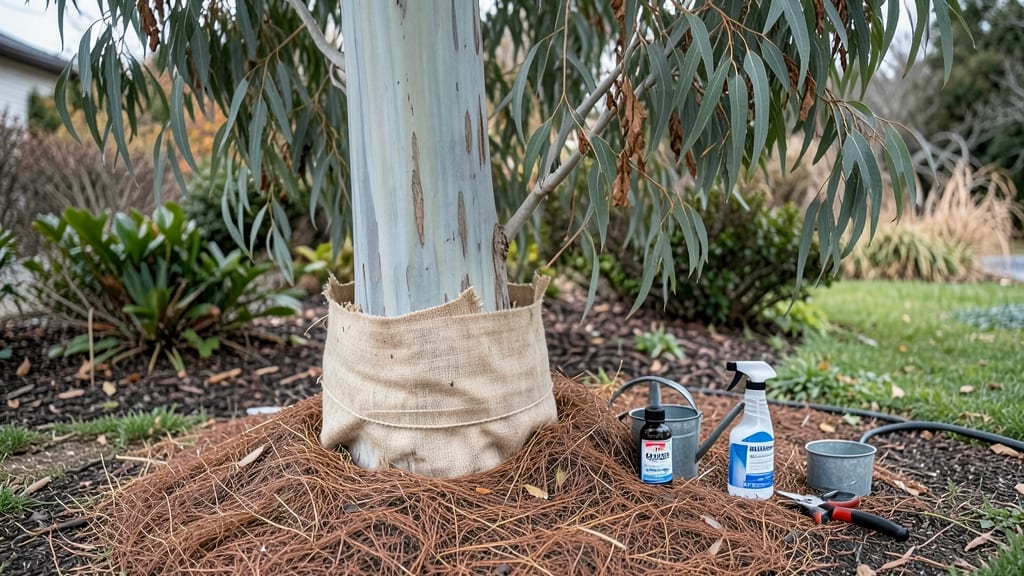
Overwintering eucalyptus isn’t just about survival—it’s about reviving that stunning silver-blue foliage next spring. 🌿 I’ve learned the hard way that eucalyptus hates sudden freezes, but with the right prep (pruning, mulching, and smart watering), you can keep yours thriving through even the coldest winters.
The key is treating it like a tropical guest who needs a cozy blanket and shade from harsh winds.
Start by pruning back any leggy growth in early fall—this encourages bushier regrowth and reduces stress on the plant. Then, wrap the base with 6-8 inches of mulch (straw or shredded leaves work best) to insulate roots from temperature swings.
Water deeply before the first frost but let the soil dry slightly between waterings—soggy roots in cold weather are a fast track to rot.
For frost-prone zones, consider moving potted eucalyptus to a sheltered spot (like a garage or unheated basement) where temps stay above 25°F. If outdoors, group plants together to share warmth, and drape frost cloth over them on nights when temps dip below 30°F.
With these steps, you’ll wake up to silvery-green leaves come spring instead of sad, brown stubs.
Pro tip: Eucalyptus hates sudden temperature shifts, so avoid moving pots around once winter settles. And if you’re in a mild climate? Just mulch and monitor—these plants are tougher than they look. Let’s keep that lush foliage alive!
📚 In This Guide
- What you need
- Instructions
- Tips and common mistakes
- Wrapping up and next steps
What you need
- ● Eucalyptus plant(s): Healthy, potted eucalyptus (preferably in containers with drainage holes). Size: Small to medium (1-3 feet tall).
- ● Grow lights or LED bulbs: Full-spectrum, 12-16 hours of light daily (e.g., 10,000-lux grow lights). Quantity: 1-2 per plant, depending on space.
- ● Thermometer & hygrometer: Digital indoor/outdoor model to monitor temperature (ideal range: 50–70°F) and humidity (aim for 40–60%).
- ● Insulating materials: Bubble wrap or frost cloth (cover entire pot).
- ● Mulch (straw or shredded leaves, 2–3 inches thick).
- ● Watering can or hose with nozzle: For gentle, deep watering (avoid soggy soil).
- ● Well-draining potting mix: Cactus/succulent blend (add perlite or sand for aeration). Quantity: Enough to refresh top 2–3 inches of soil.
- ● Fertilizer: Balanced, water-soluble fertilizer (e.g., 10-10-10) or slow-release granules. Dilution: Half-strength in winter.
- ● Pruning shears: Sharp, sterilized shears (for trimming dead/damaged branches).
- ● Pot or container (if repotting): Size: 1–2 inches larger in diameter than current pot, with drainage holes.
- ● Heating mat (50–60°F setting) for pots in freezing temps.
- ● Peat moss or coconut coir for improving soil moisture retention.
- ● Spray bottle (for misting leaves if humidity drops below 40%).
- ● Plant food additives (e.g., seaweed extract for stress relief).
- ● Greenhouse or cold frame (if overwintering outdoors in mild climates).
Step-by-Step instructions for overwintering eucalyptus
Here's how I keep my eucalyptus thriving through cold snaps—no dead branches in sight.
🌿 Step 1: Assess Your Plant's Cold Hardiness
First, check your eucalyptus variety because not all handle frost the same way. Most common types like Eucalyptus globulus or Eucalyptus cinerea are only hardy to USDA Zone 9, meaning they'll suffer damage below 25°F. If you're in a colder zone, you're basically wintering a tropical plant—so plan accordingly.
Look for signs of stress now: yellowing leaves, stunted growth, or leaf drop. These are your warning that your plant is already struggling with cooler temps. I like to move borderline-hardy plants indoors before the first frost hits, usually when nighttime temps dip below 40°F. Don't wait until the leaves start blackening—that's too late.
🪴 Step 2: Prepare for Indoor Protection
If you're bringing your eucalyptus inside, choose a bright spot near a south-facing window where it gets 6+ hours of indirect light daily. Sudden temperature shifts can shock the plant, so avoid drafty areas like near doors or air vents. I also mist the leaves lightly before moving it inside—this helps prevent the sudden dryness indoors.
Trim any dead or yellowing leaves before bringing it in. Use clean, sharp pruning shears to make cuts just above a leaf node. This reduces stress and helps the plant focus energy on survival. If your plant is large, you might need to prune it back by one-third to make it more manageable indoors.
☀️ Step 3: Maintain Ideal Indoor Conditions
Eucalyptus thrives in 65-75°F during the day and won't tolerate indoor heating above 80°F. If your home gets too dry, use a humidifier or place the pot on a tray filled with pebbles and water—just make sure the pot isn't sitting in standing water. I water mine every 7-10 days, checking when the top 2 inches of soil feel dry to the touch.
Rotate the plant quarter-turn weekly so it doesn't lean toward the light. You'll notice new growth starting in 4-6 weeks if conditions are right. If leaves start dropping, it's usually a sign of too much dry air or inconsistent watering. I also avoid fertilizing during winter—eucalyptus goes dormant and doesn't need extra nutrients.
⏰ Step 4: Gradually Acclimate Before Spring Planting
Start 6-8 weeks before your last frost date, move your eucalyptus back outside for 2-3 hours daily in a sheltered spot. Gradually increase outdoor time by 1 hour daily, protecting it from direct wind and harsh sun. This slow transition prevents shock and gives the plant time to adjust to temperature swings.
Once nighttime temps stay above 50°F consistently, you can leave it out full-time. Watch for new leaf growth as a sign it's adapting well. If you notice browning on new leaves, it might be adjusting to the sun—gradually increase exposure over 2 weeks. I also add a light layer of mulch around the base to insulate roots from early spring temperature fluctuations.
✂️ Step 5: Post-Winter Pruning and Care
After the last frost, trim back any dead or damaged growth with clean pruners. Cut just above a leaf node to encourage new, healthy growth. If your plant looks leggy from indoor life, prune back by one-third to encourage bushier growth. This is also a great time to repot if roots are circling the container—choose a pot 2 inches larger in diameter and fresh potting mix.
Resume regular watering once new growth appears, usually in late spring. I fertilize lightly with a balanced 10-10-10 formula in early summer to encourage robust growth. Keep an eye out for pests like spider mites, which love stressed plants—treat early with neem oil if you spot any webbing.
Tips & tricks for overwintering eucalyptus
Here's what nobody tells you about keeping eucalyptus alive through winter—these are the tricks that saved my plants after three failed attempts.
Zone Awareness: That 25°F threshold isn't just a number—it's the difference between a thriving plant and a sad, brown mess. If you're in Zone 8 or colder, treat your eucalyptus like a tropical houseguest: it's not built for your climate. I've seen people try to "toughen up" their plants by leaving them out too long, only to lose them completely. Check your local frost dates and move plants indoors when nighttime temps hit 40°F—that's when the real damage starts.
Light is Non-Negotiable: The 6+ hours of indirect light requirement isn't just a suggestion—it's survival. I've had eucalyptus plants stretch toward windows like they're reaching for salvation, and that's exactly what's happening. If your indoor space doesn't get enough light, consider supplementing with a grow light for 12 hours daily. The leaves will tell you the truth—if they're pale or sparse, your plant is starving for light, not water.
Timing is Everything: Those 2-3 hours daily of outdoor acclimation in Step 4 are your plant's training wheels for spring. I learned this the hard way when my eucalyptus went into shock after one too many hours in the sun—new leaves turned crispy within days. Start with 1 hour maximum on the first day, then gradually increase by 30 minutes every 3-4 days. Watch for wilting or leaf drop—those are your plant's SOS signals.
Pruning Secrets: When you prune back by one-third in Step 2 or Step 5, you're not just tidying up—you're giving your plant a fighting chance. Always cut just above a leaf node (that little bump where leaves grow), and make the cut at a 45-degree angle. This encourages new growth from the node below. I also dip my pruners in rubbing alcohol between cuts to prevent spreading any potential diseases your plant might be carrying.
Pro Tips for Over Winter Eucalyptus
- Here's what nobody tells you about keeping eucalyptus alive through winter—these are the tricks that saved my plants after three failed attempts.
- Zone Awareness: That 25°F threshold isn't just a number—it's the difference between a thriving plant and a sad, brown mess.
- Light is Non-Negotiable: The 6+ hours of indirect light requirement isn't just a suggestion—it's survival.
Frequently asked questions
Got questions about keeping your eucalyptus thriving through winter?
You’re not alone! Here are answers to the most common concerns—from frost protection to long-term care—so you can enjoy your eucalyptus year-round without stress.
How cold can eucalyptus tolerate before it needs protection?
Most eucalyptus varieties can handle light freezes down to 25–30°F (-4 to -1°C), but prolonged exposure to 20°F (-7°C) or below will damage or kill the plant. Young trees or tropical species (like Eucalyptus gunnii) are especially sensitive—wrap them in burlap or move potted plants indoors before temperatures drop.
What’s the best way to protect eucalyptus from frost?
For in-ground plants, mound mulch (straw, leaves, or pine needles) around the base up to the trunk’s height. For potted eucalyptus, wrap the pot in bubble wrap or move it to a sheltered spot (like a garage or under eaves). A frost cloth draped loosely over the plant also works—just secure it with stakes to avoid trapping moisture.
Can I overwinter eucalyptus indoors? If so, how?
Yes! Bring potted eucalyptus inside near a sunny window or grow light (they need 6+ hours of light daily). Reduce watering—let the top inch of soil dry out between waterings—and avoid drafts. Prune lightly to encourage bushier growth, and mist leaves occasionally if indoor air feels dry. Watch for pests like spider mites, which thrive in dry conditions.
What should I do if my eucalyptus loses leaves or looks wilted after frost?
Don’t panic! Eucalyptus often shed leaves in cold snaps, but the tree may regrow them in spring. If branches are brown and crispy (not just wilted), prune them back to healthy green growth. For severe damage, fertilize lightly in early spring to encourage recovery. Avoid overwatering—root rot is a bigger threat than cold in recovery mode.
Are there cold-hardy eucalyptus varieties I can plant for easier overwintering?
If you’re planting new, opt for hardier species like:
- Eucalyptus pauciflora (Snow Gum) – Tolerates 10°F (-12°C) with protection.
- Eucalyptus urnigera (Tasmanian Blue Gum) – Handles 15°F (-9°C) better than tropical types.
- Eucalyptus vernicosa (Cider Gum) – More resilient than E. globulus (common eucalyptus).
Even these benefit from mulch or microclimates (like south-facing walls) in harsh winters.
Wrapping up and next steps
Overwintering eucalyptus is all about preparation, protection, and patience—but the effort is worth it for those stunning, year-round greens! 🌿 By choosing the right variety, insulating roots, and shielding leaves from frost, you’ll keep your eucalyptus thriving even in colder months. Don’t let winter slow you down—your eucalyptus can be a resilient, evergreen star in your landscape!
Ready to take the next step? Start by monitoring your plant’s health through the season and adjust care as needed. With a little love, your eucalyptus will reward you with lush foliage come spring! 🌱