
Vegetables
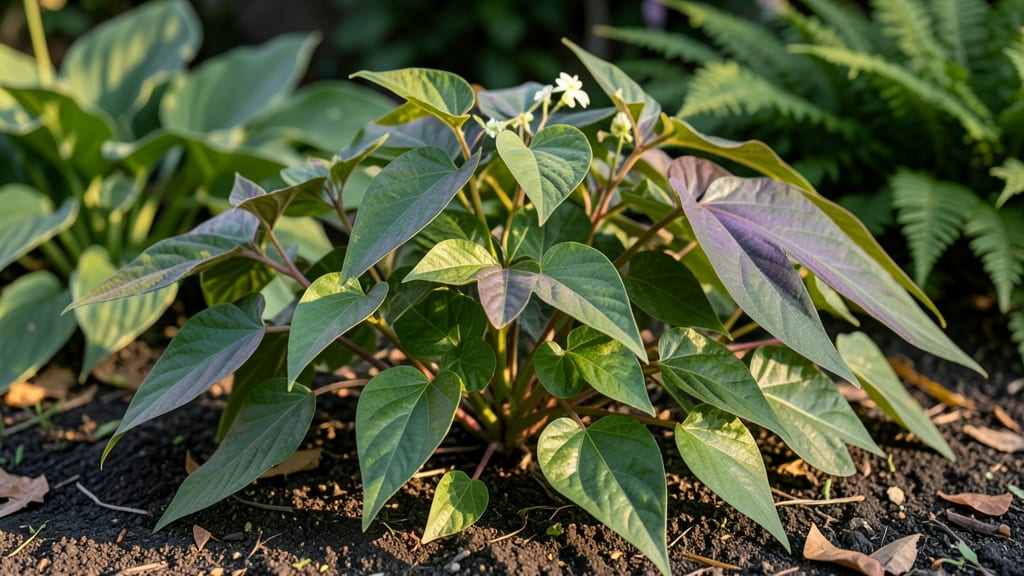
Growing green stem Malabar spinach from scraps in 7 days feels like magic—especially when you're staring at wilted stems you thought were trash. 🌱 I've regrown this fast-growing vine from grocery store scraps, and the secret is in its resilience: just a few inches of stem with a leaf node can sprout new growth within a week.
The trick is keeping it warm, humid, and consistently moist—no fancy equipment needed. A simple jar of water works for cuttings, while soil-grown plants thrive in partial shade and well-draining soil. This tropical vine handles heat better than most greens, making it perfect for summer gardens or even balcony containers.
By day 7, you'll have lush, dark green vines ready to climb a trellis or spill over pots. The leaves stay tender and slightly sweet, perfect for stir-fries or salads. Plus, it keeps producing for months if you prune regularly and harvest leaves from the bottom.
Works in zones 9-11 but can be grown as an annual elsewhere. Even my black thumb keeps this plant alive—it's that forgiving. Let's get those scraps growing!
📚 In This Guide
- What you need
- Instructions
- Tips and common mistakes
- Wrapping up and next steps
What you need
- ● Malabar spinach scraps: 1–2 healthy stems (3–4 inches long) with leafy growth. Pro tip: 💡 Choose stems with at least 2–3 leaves still attached!
- ● Water: Room-temperature or slightly warm (1 cup per container).
- ○ Container: 1 shallow dish, glass, or jar (6+ inches wide) with drainage holes (optional but recommended).
- ● Pebbles or paper towels: 1–2 inches (for drainage if no holes).
- ○ Organic potting mix: 1 small bag (or 2 cups pre-moistened mix). Optional: 🌱 Add a pinch of compost for nutrients!
- ● Scissors or knife: 1 (for trimming scraps).
- ● Spray bottle: 1 (for misting leaves).
- ● Measuring cup: 1 (for water/potting mix).
- ○ Tweezers (optional): 1 (for delicate leaf adjustments).
- ● Sunlight: Bright, indirect light (4+ hours/day). 💡 No sun? A grow light works too!
- ● Humidity: Moderate (kitchen counters work great!).
- ● Patience: 7–10 days for regrowth! ⏳ Track progress daily.
Step-by-Step instructions for regrowing green stem Malabar spinach
Here's how to turn scraps into fresh greens in just a week—no soil or special tools needed.
🌱 Step 1: Choose and Prep Your Stems
Start with 4-inch long stems that still have 2-3 leaves attached at the top. The thicker the stem, the better—it stores more energy for regrowth. Rinse the cut ends under cool water to remove any dirt or residue, then pat dry with a paper towel. I like to trim off any wilted or yellowing leaves at the base since they won’t contribute to new growth.
This is the moment that matters: only use stems with fresh, green leaves—wilting or brown stems won’t regrow. If your scraps are older than a day, soak them in cool water for 10 minutes to revive them before proceeding.
💧 Step 2: Set Up Your Water Regrowth Station
Fill a shallow container (like a small bowl or glass) with 2-3 inches of room-temperature water. The stems should sit in water up to half their length—no deeper, or they’ll rot. I use a clean mason jar with the top cut off to keep the stems stable while allowing airflow.
Place the stems in the water, spacing them 1-2 inches apart so they don’t crowd. You’ll see tiny bubbles forming within an hour—that’s a good sign the stems are absorbing moisture. Change the water every 2 days to prevent bacterial buildup, which can turn the water cloudy and stall regrowth.
☀️ Step 3: Provide Light and Monitor Daily
Set your container in a spot with bright, indirect light—like a south-facing windowsill or under a grow light. Direct sunlight can scorch the leaves, so if you’re using a sunny window, place it 6-12 inches away. You’ll notice new leaves unfurling in 3-4 days, starting as tiny, pale buds.
Watch for roots forming at the cut end—they’ll appear as white, fuzzy strands within 5-7 days. Once roots reach 1 inch long, your spinach is ready to transplant (if you choose) or continue growing in water. Here’s the thing—if the water gets murky before roots appear, rinse the stems and refresh the water immediately.
🌿 Step 4: Harvest and Encourage Continuous Growth
After 7-10 days, you’ll have 3-4 inches of fresh growth. Snip the stems just above a leaf node (the bump where leaves attach) to encourage branching. The cut stem can be reused in water—it’ll regrow again in another week! I harvest mine every 5-7 days this way, and a single bunch keeps producing for 3-4 cycles before slowing down.
For longer-term growth, transplant rooted stems into potting soil once they’ve developed 2-3 inches of roots. Keep the soil moist but not soggy and place in bright, indirect light until established. Real talk: if you forget to harvest, the leaves will keep growing—just get ready for a taller, bushier plant in your water setup!
Tips & tricks for regrowing green stem Malabar spinach
A few simple strategies can turn your scraps into a thriving green harvest with minimal effort. Here’s how to maximize your success.
Selection Matters: In Step 1, focus on stems with vibrant green leaves and a firm texture—these are your best candidates for regrowth. Thicker stems (about the diameter of a pencil) store more energy, giving you stronger regrowth. If you’re unsure about a stem’s viability, test it by placing it in water for 24 hours first. If it shows no signs of bubbling or new leaf formation, it’s better to start fresh with a better-quality stem.
Water Quality is Key: When setting up your water station in Step 2, use filtered or distilled water if possible—tap water with high chlorine or mineral content can stress the stems. Refreshing the water every 2 days isn’t just about cleanliness; it’s also a way to oxygenate the water, which helps the stems absorb nutrients more efficiently. If you notice the water turning cloudy before the 2-day mark, rinse the stems and refresh immediately to prevent bacterial growth that can stall regrowth.
Lighting Secrets: In Step 3, bright indirect light is non-negotiable, but here’s the trick: rotate your container every 2-3 days so all sides get equal exposure. This prevents lopsided growth and ensures your stems develop evenly. If you don’t have a south-facing window, a simple LED grow light (around 6-12 inches away) works wonders—just keep it on for 12-14 hours a day to mimic natural daylight cycles. Watch for new leaves unfurling in just 3-4 days as your first sign of success!
Harvesting Hack: When you’re ready to harvest in Step 4, use clean, sharp scissors to snip just above a leaf node. This small detail makes all the difference—it encourages the stem to branch out and produce even more leaves in future growth cycles. After harvesting, give your stems a quick rinse under cool water to remove any debris, then place them back in fresh water. You’ll be amazed at how quickly they bounce back and start growing again!
Pro Tips for Green Stem Malabar Spinach
- A few simple strategies can turn your scraps into a thriving green harvest with minimal effort.
- Selection Matters: In Step 1, focus on stems with vibrant green leaves and a firm texture—these are your best candidates for regrowth.
- Water Quality is Key: When setting up your water station in Step 2, use filtered or distilled water if possible—tap water with high chlorine or mineral content can stress the stems.
Frequently asked questions
Got questions about growing green stem Malabar spinach? You’re not alone! Here are answers to the most common queries—from beginners to seasoned gardeners—to help you succeed with this fast-growing, low-maintenance green.
Can I regrow green stem Malabar spinach from store-bought scraps?
This plant is one of the easiest to regrow. Simply place the root end (about 2–3 inches) in a jar of water, change the water every 2–3 days, and watch new leaves sprout in 7 days or less. No soil needed!
What’s the ideal temperature for growing green stem Malabar spinach?
This tropical plant thrives in warmth—aim for 65–85°F (18–29°C). It’s heat-tolerant but can struggle in freezing temps. If you’re in a cooler climate, grow it indoors near a sunny window or under grow lights.
How often should I water green stem Malabar spinach?
Keep the soil or water consistently moist (not soggy!). For scraps in water, refresh every 2–3 days. In soil, water when the top inch feels dry. Overwatering can cause root rot, so ensure containers have drainage.
Is green stem Malabar spinach safe to eat raw, or should I cook it?
While it’s edible raw (with a slightly crunchy, spinach-like texture), many prefer it cooked to soften the stems. Try stir-fries, soups, or sautéed dishes. Note: It’s high in oxalates, so moderation is key if you have kidney concerns.
What can I do if my Malabar spinach turns yellow or wilted?
Yellowing often signals overwatering or nutrient deficiency. Let soil dry slightly between waterings, and fertilize lightly with a balanced liquid fertilizer (half-strength) every 2–3 weeks. Wilting? Check for root rot or pests—trim damaged leaves and repot if needed.
Still stumped? Drop your question in the comments—we’re happy to help your green stem Malabar spinach thrive!
Wrapping up and next steps
Growing green stem Malabar spinach from scraps is a rewarding and sustainable way to enjoy fresh greens year-round—no green thumb required! 🌱 Whether you’re a beginner or a seasoned gardener, this quick-growing plant proves that even small kitchen scraps can yield big harvests. Ready to dive in?
Your next step? Grab those scraps, follow the simple steps, and watch your kitchen transform into a mini garden. Happy growing—and enjoy your homegrown bounty! 🌿