
Vegetables
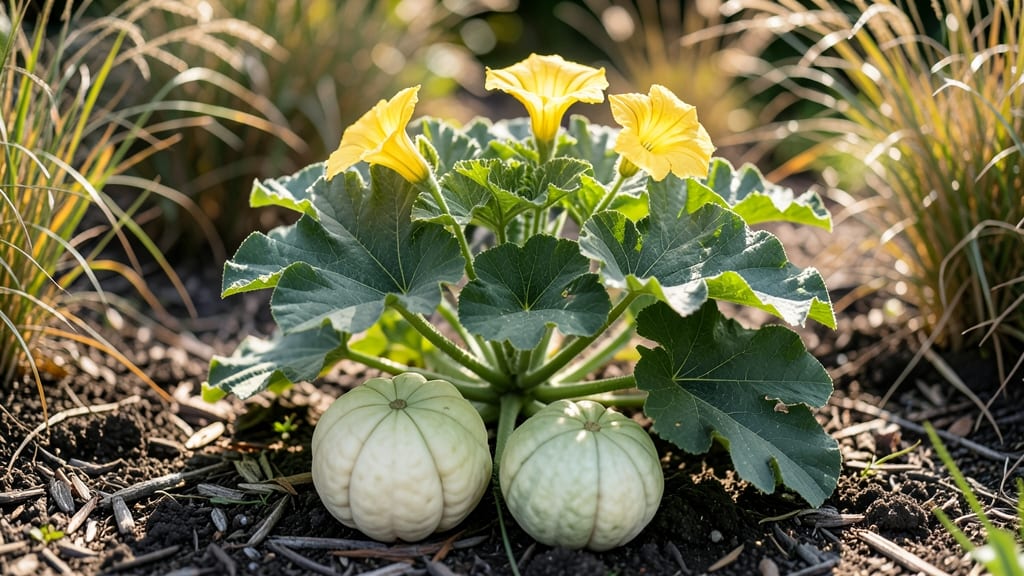
Growing Early White Bush Scallop Squash means fresh, tender squash straight from your garden for months—even in cooler climates. 🌱 This cold-hardy perennial thrives where other summer squash would fail, producing scalloped fruits that taste sweeter than store-bought varieties.
The secret lies in its bush habit and adaptability, making it perfect for small spaces or containers.
Start seeds indoors 6-8 weeks before last frost or sow directly in well-drained soil rich in compost. Plant in full sun (6+ hours daily) with 18-24 inches between plants, and keep soil consistently moist but not soggy.
Unlike annual squash, this perennial returns every year with proper care—just watch for squash bugs and cucumber beetles, which hate nearby marigolds or nasturtiums.
📚 In This Guide
- What you need
- Instructions
- Tips and common mistakes
- Wrapping up and next steps
What you need
- ● Seeds: Certified organic or heirloom Cucurbita pepo (early white bush scallop squash) seeds (1–2 oz packet, ~50–100 seeds).
- ● Growing Space: Full sun (6–8 hours daily) in a well-draining, fertile garden bed (6’ x 6’ minimum per plant).
- ● OR 5-gallon containers with drainage holes (for patio/container gardening).
- ● Soil: Loamy, well-amended soil with pH 6.0–7.0. Mix in 2–3 inches of compost or aged manure.
- ● Fertilizer: Balanced organic fertilizer (10-10-10) or compost tea (apply at planting and mid-season).
- ● Watering Supplies: Drip irrigation or soaker hose (to keep soil consistently moist, not soggy).
- ● Mulch: Straw or shredded leaves (2–3 inches) to retain moisture and suppress weeds.
- ○ Trellis or Cage (Optional but Helpful): Small tomato cages or lightweight trellis (for bush varieties to support vines).
- ● Row Cover: Frost cloth (for extending the growing season in cooler climates).
- ● Pest Deterrents: Neem oil spray or companion plants (e.g., marigolds, nasturtiums).
- ● Harvest Tools: Sharp pruners or a small knife for clean cuts.
- ● Storage Containers: Mesh bags or wooden crates for post-harvest airflow.
Step-by-step guide to planting and cultivating early white bush scallop squash
This cold-hardy perennial thrives with minimal fuss—just follow these steps for a steady harvest.
🌱 Step 1: Select and Prepare Planting Site
Choose a location with full sun exposure—at least 6-8 hours daily—and well-draining soil. Early White Bush Scallop Squash tolerates cooler temperatures better than most squash varieties, but it still needs 60°F soil warmth to germinate properly. If your spring is chilly, wait until after the last frost date or use black plastic mulch to warm the soil 2-3 weeks earlier.
Test your soil’s drainage by digging a 6-inch hole and filling it with water. If it drains within an hour, your soil is ready. If not, amend with 2-3 inches of compost mixed into the top 6 inches of soil. This variety handles clay better than most, but it still needs good airflow to prevent fungal diseases. Space plants 3-4 feet apart to allow for bushy growth and easy harvesting.
🌿 Step 2: Plant Seeds or Transplants at the Right Time
Direct-sow seeds ½ inch deep after soil reaches 60°F, or transplant 4-6 week-old seedlings when nighttime temperatures stay above 50°F. I prefer sowing seeds directly because the roots resent transplanting, and this squash grows best when undisturbed. Plant 2-3 seeds per hill, then thin to the strongest seedling once they reach 2 inches tall.
Here’s the thing—this squash is perennial in USDA Zones 4-9, but it needs a long, warm growing season to produce well. If you’re in Zone 4, start seeds indoors 4-6 weeks before the last frost and transplant after soil warms. In warmer zones, you can plant as early as 2-3 weeks before the last frost without protection. Water deeply after planting to settle the soil around the roots.
☀️ Step 3: Water and Fertilize for Optimal Growth
Keep soil consistently moist but not soggy—this squash wilt-sensitive once established. Water at the base of the plant in the morning to reduce fungal risks. I use drip irrigation or soaker hoses to avoid wetting the leaves, which can lead to powdery mildew. Mulch with 2-3 inches of straw or shredded leaves to retain moisture and suppress weeds. The goal is 1 inch of water per week, more during fruit development.
Fertilize lightly at planting with a balanced organic fertilizer (10-10-10) and again when vines start to run. Too much nitrogen leads to leafy growth at the expense of fruit. I switch to a low-nitrogen, high-phosphorus fertilizer (5-10-10) once flowers appear to encourage blooming. Avoid fresh manure—it burns tender roots and attracts pests.
✂️ Step 4: Prune and Harvest for Continuous Production
This bush variety doesn’t vine aggressively, but you’ll still want to prune suckers (small shoots growing between the main stem and branches) to direct energy to fruit production. Remove any yellow or diseased leaves immediately to prevent spread. Harvest scallop squash when they’re 2-3 inches wide—they’ll keep producing if you pick regularly. Use clean, sharp pruners and cut stems at a 45-degree angle to encourage faster regrowth.
Real talk: If you let them grow larger, the flavor becomes milder and the texture mealy. I harvest every 3-4 days in peak season to keep the plant producing. Store harvested squash in a cool, dry place (50-55°F) for up to 2 weeks. The more you pick, the more the plant compensates by flowering and fruiting again—this is why it’s such a reliable perennial.
⏰ Step 5: Overwinter for Perennial Growth
In colder climates, mulch heavily with 4-6 inches of straw or leaves before the first frost to protect the crown. This squash is hardy to Zone 4, but young plants may need extra insulation their first winter. In Zones 5-9, it often regrows from the same roots year after year with minimal care. Cut back dead foliage in late winter (just before new growth appears) to encourage fresh shoots.
Here’s where it gets fun—if you live in a mild winter zone, you might get two harvests per year. The plant goes dormant in cold snaps but rebounds quickly once temperatures rise. In Zone 4, I treat it as a short-lived perennial and replace it every 3-4 years to maintain vigor. The key is consistent moisture even in winter—dry spells can kill the crown.
Tips & tricks for perfect early white bush scallop squash cultivation
Between us, these simple tricks will help you coax the most from your cold-hardy squash—no green thumb required.
Soil Temperature Secret: That 60°F soil warmth requirement isn't just a number—it's the difference between quick germination and weeks of waiting. I've found that using a soil thermometer for 3 consecutive days at 60°F gives more reliable results than guessing. For cooler climates, consider a mini greenhouse or cold frame to create that ideal environment 2 weeks earlier than your last frost date.
Planting Density Strategy: The 3-4 feet spacing might seem generous, but it pays off big time. This bush variety spreads wider than it grows tall, and crowding leads to poor airflow—inviting fungal diseases like powdery mildew. I've seen gardeners squeeze plants closer only to struggle with blight later. Trust me, the extra space means fewer headaches and better yields.
Watering Precision: That 1 inch per week target is crucial during fruit development, but timing matters just as much. I water deeply in the early morning using a soaker hose placed at the base of plants. This prevents fungal issues from evening moisture and ensures water reaches the roots where it's needed most. The 2-3 inches of mulch helps maintain consistent moisture while suppressing weeds—just remember to keep mulch 2 inches away from stems to prevent rot.
Harvest Timing Insight: Harvesting every 3-4 days when squash are 2-3 inches wide might seem frequent, but it's what keeps the plant producing. I've noticed that when I wait even a day past this window, the plant gets "lazy" and produces fewer flowers. The key is to harvest consistently—this triggers the plant to keep flowering and fruiting throughout the season.
Pro Tips for Early White Bush Scallop Squash
- Between us, these simple tricks will help you coax the most from your cold-hardy squash—no green thumb required.
- Soil Temperature Secret: That 60°F soil warmth requirement isn't just a number—it's the difference between quick germination and weeks of waiting.
- Planting Density Strategy: The 3-4 feet spacing might seem generous, but it pays off big time.
Frequently asked questions
Got questions about growing and harvesting early white bush scallop squash?
Here are answers to the most common queries to help you thrive with this cold-hardy perennial gem!
How cold can early white bush scallop squash tolerate?
This variety is one of the hardiest squash types, surviving light frosts down to 20°F (-6°C)! While young plants may take a chill, mature vines and established tubers can endure winter in zones 4-9. Mulch heavily with straw or leaves to protect roots and prevent soil heaving.
When is the best time to harvest early white bush scallop squash?
Harvest when the rinds are smooth and hard—not bumpy like storage squash—and the seeds inside are pea-sized (about 2-3 inches long). For best flavor, pick when the skin turns a pale white or cream color. Use a sharp knife to avoid damaging the vines!
Can I grow this squash in containers or small spaces?
Its compact bush habit makes it ideal for containers (use 5-gallon pots or larger) or small gardens. Just ensure pots have drainage holes and provide 6-8 hours of sun daily. Trellising isn’t necessary, but pruning excess vines can improve airflow and yield.
What pests should I watch for, and how do I prevent them?
Common pests include squash bugs, cucumber beetles, and aphids. Prevent issues by:
- Row covers for young plants to block pests.
- Handpick eggs (tiny orange clusters) from leaves.
- Neem oil or insecticidal soap for outbreaks.
- Crop rotation to avoid soil-borne pests.
How do I store harvested scallop squash long-term?
Unlike storage squash, scallop squash is best used fresh—but you can extend its shelf life! Store in a cool (50-55°F), dark, and humid (80-90%) environment (like a root cellar) for 2-3 weeks. Avoid refrigeration—it causes moisture loss and spoilage. For longer storage, blanch and freeze cooked or raw squash in airtight bags.
Can I regrow early white bush scallop squash from scraps?
Yes! Unlike most squash, scallop squash perennialize in mild climates. After harvest, leave a few vines intact—they’ll regrow in spring. In colder zones, dig up tubers in fall, store them in sand/peat moss, and replant in spring. Pro tip: Label tubers to avoid confusion with other perennials!
Wrapping up and next steps
Growing early white bush scallop squash is a rewarding way to enjoy fresh, homegrown produce with minimal fuss—especially since it thrives in cooler climates and delivers year-round harvests!
Whether you're a seasoned gardener or just starting out, this cold-hardy perennial offers versatility, flavor, and sustainability that’s hard to beat. 🌱
Ready to take the next step? Start by sketching your garden layout or reviewing common challenges to ensure success. With a little patience and care, you’ll soon be savoring the sweet, tender rewards of your own homegrown squash—one harvest at a time!