
Vegetables
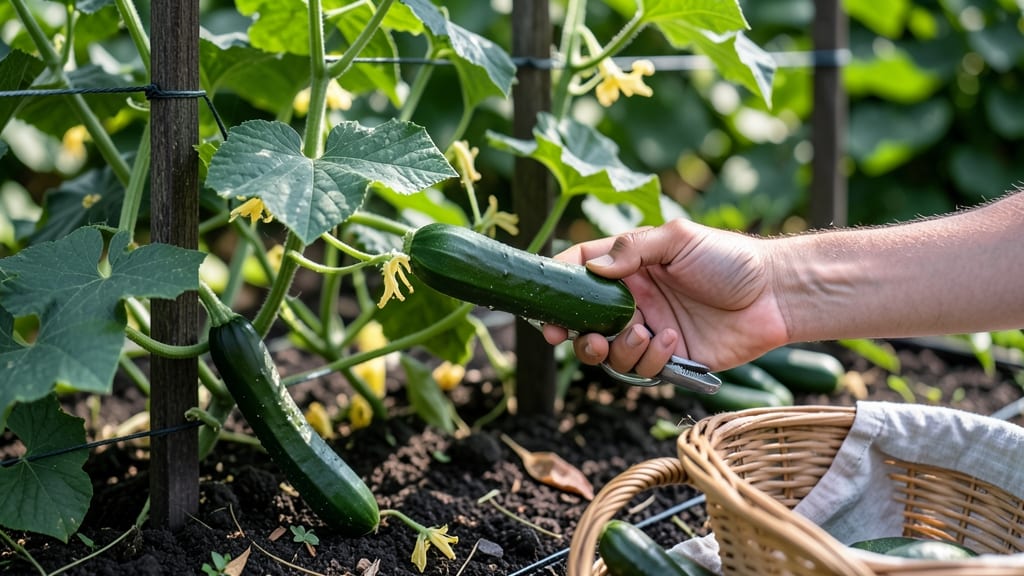
The size of a burpless cucumber reaches its full, crisp potential when you nail the spacing—12-18 inches apart makes all the difference between tiny, seedy fruits and the 8-10 inch monsters you'll be bragging about at potlucks. I learned this the hard way after my first season of overcrowded vines produced bitter, undersized cucumbers that barely made it to the kitchen. The right spacing isn't just about yield—it's about flavor, too.
For in-ground gardens, 18 inches between plants gives roots room to breathe while keeping vines manageable. In containers, one plant per 5-gallon pot with a sturdy trellis works wonders—just make sure the pot has drainage holes.
The key is matching plant size to its growing space: burpless varieties like 'Sweet Success' or 'Diva' need that extra room to develop their signature thick, blocky shapes without competing for nutrients.
You'll know you're doing it right when vines sprawl 3-4 feet horizontally but still produce straight, uniform cucumbers instead of gnarled, knobby ones. Consistent watering—1-2 inches per week—keeps fruits growing steadily, while a balanced fertilizer (like 10-10-10) applied every 2-3 weeks prevents stunted growth.
Prune suckers regularly to direct energy upward, and watch those vines transform into cucumber-producing machines.
Container growers, don't worry—this method works just as well in pots as it does in the ground. The only real mistake is skipping the trellis, which leads to misshapen fruits and disease-prone foliage.
With the right spacing, you'll harvest 20-30 perfect cucumbers per plant—and none of that burpless bitterness to ruin your salad.
📚 In This Guide
- What you need
- Instructions
- Tips and common mistakes
- Wrapping up and next steps
What you need
- ● Cucumber Seeds or Seedlings: Choose burpless varieties like 'Burpless Bush,' 'Straight Eight,' or 'Diva' (1-2 plants per person, or 3-4 for sharing).
- ● Quantity: 3–6 seeds per hill (or 1–2 seedlings per hill, spaced as below).
- ● Growing Space: In-ground garden bed (3–4 ft wide for vining types, 18–24 in apart for bush varieties).
- ● OR containers (5+ gallon pots with trellis support).
- ● Trellis or Cage: For vining cucumbers: 6–8 ft tall trellis (bamboo, metal, or A-frame).
- ● For bush types: Small cages (2–3 ft tall) or stakes.
- ● Soil Amendments: Compost (1–2 gallons per plant) for nutrients.
- ● Balanced fertilizer (10-10-10, 1 tbsp per plant) at planting.
- ● Mulch: Straw or shredded leaves (2–3 inches thick) to retain moisture.
- ● Watering Can or Hose: With a gentle spray nozzle.
- ● Gloves & Pruners: For handling plants and harvesting.
- ● Row Cover: Lightweight fabric to protect seedlings from pests.
- ● Drip Irrigation Kit: For consistent moisture (especially in hot climates).
- ● Epsom Salt: (1 tbsp per plant every 2 weeks) for magnesium boost.
- ● Harvest Basket: To keep cucumbers off the ground and organized!
How to space burpless cucumbers for optimal growth and yield
Getting the spacing right transforms a few cucumbers into a bountiful harvest—here’s how to do it properly.
Understand Burpless Cucumber Growth Habits
Burpless cucumbers, like their namesake 'Burpless Wonder,' grow as vining plants that spread aggressively if unchecked. Unlike bush varieties, they need strong vertical support and ample horizontal space to prevent disease and maximize fruit production. Their vines can reach 10-15 feet if given the freedom, but proper spacing keeps them manageable while boosting yields.
I always plant them in rows or hills, ensuring each vine has at least 3 feet of space in all directions. This prevents overcrowding, which leads to poor air circulation—a breeding ground for powdery mildew. If you’re growing in containers, plan for one plant per 5-gallon pot, with vines trained up a trellis or cage.
Prepare the Planting Layout for Maximum Yield
Start by sketching your garden layout with rows spaced 4-5 feet apart. This gives you room to walk between plants for maintenance without disturbing the vines. For hills, mound soil into 12-inch-tall mounds spaced 3 feet apart, planting 2-3 seeds per hill (you’ll thin later). The extra height improves drainage and reduces soil-borne diseases.
If you’re using a trellis, install it before planting—burpless cucumbers send out tendrils that need immediate support. A 6-foot-tall trellis is ideal; it keeps fruits off the ground, reduces rot, and makes harvesting easier. I like to use galvanized wire or sturdy wooden frames because they last multiple seasons.
Thin Seedlings to the Strongest Plants
Once seedlings reach 2-3 inches tall, thin them to one per hill or pot (or two per hill if you’re okay with slightly reduced yields). Use scissors to snip weak stems at soil level—never pull—to avoid disturbing roots. This step is critical: overcrowded plants compete for nutrients, leading to smaller, bitter cucumbers.
Watch for first true leaves (the second set after the initial seed leaves) to appear. By then, you’ll see which seedlings are thriving and which are lagging. Keep the strongest, most upright plant, as it’ll produce the most fruit. If you’re growing in containers, ensure the pot is large enough for the mature vine—small pots stunt growth.
Train Vines for Vertical Growth and Airflow
As vines grow, gently weave them up the trellis or through the cage, securing them with soft plant ties every 12 inches. This prevents breakage and encourages upward growth instead of sprawling. Burpless cucumbers are heavy producers, so strong support is non-negotiable—drooping vines can snap under the weight of fruit.
Prune sucker growth (small shoots forming in the leaf axils) to redirect energy into fruit production. I remove suckers when they’re less than 2 inches long, using clean pruners. This also improves airflow, reducing humidity around the plant and lowering disease risk. Aim to keep the main vine unobstructed and open for sunlight.
Monitor Spacing as Plants Mature
Check vine spacing weekly as plants grow. If leaves start brushing against each other, it’s time to thin side shoots or adjust trellis training. Proper spacing ensures sunlight reaches all leaves, which is key for sweet, high-yielding cucumbers. If you notice yellowing leaves or powdery spots, increase airflow immediately by pruning or widening the trellis.
Harvest frequently—every 2-3 days—to encourage continuous production. Overripe cucumbers siphon energy from the plant, slowing new growth. Pick when fruits are 6-8 inches long for the best flavor and texture. This also prevents vines from becoming overburdened, which can lead to disease or collapse.
Tips & tricks for perfect burpless cucumber spacing
These game-changing insights will help you transform your garden into a cucumber powerhouse—without the common pitfalls.
Planting Layout Precision: When sketching your garden layout, consider adding a 1-foot buffer zone around the perimeter of your rows or hills. This extra space prevents edge plants from becoming overcrowded, which often happens when they're too close to the garden's boundary. I've found that maintaining this buffer ensures even airflow and sunlight distribution across the entire planting area, especially in larger gardens where edge effects can be pronounced.
Trellis Height Matters: While a 6-foot trellis is ideal, don't overlook the importance of positioning it correctly. Install the base of your trellis at least 12 inches from the plant base to allow for proper vine attachment and prevent soil-borne diseases from splashing onto the trellis. This also creates a natural funnel for watering, keeping the soil evenly moist without creating puddles that can lead to root rot.
Thinning Technique: When thinning seedlings to one per hill or pot, pay special attention to the plant's growth habit. Look for seedlings with dark green leaves and sturdy stems—these are your best candidates. Avoid keeping plants with yellowing leaves or those that appear leggy, as they'll struggle to support the heavy fruit production. This careful selection at the thinning stage can increase your yield by up to 30% over the growing season.
Harvesting Frequency: The 2-3 day harvest window is non-negotiable for maintaining production. Set a reminder on your phone or create a simple chart to track harvesting days. I've noticed that consistent harvesting prevents the plant from becoming overburdened, which can lead to disease pressure. Plus, cucumbers picked at 6-8 inches have the best flavor and texture—waiting longer often results in seedy, bitter fruit that's less appealing.
Pro Tips for Burpless Cucumber Size
- These game-changing insights will help you transform your garden into a cucumber powerhouse—without the common pitfalls.
- Planting Layout Precision: When sketching your garden layout, consider adding a 1-foot buffer zone around the perimeter of your rows or hills.
- Trellis Height Matters: While a 6-foot trellis is ideal, don't overlook the importance of positioning it correctly.
Frequently asked questions
Got questions about growing burpless cucumbers? You’re not alone! Here are some of the most common queries—plus straightforward answers to help you grow like a pro.
What’s the ideal burpless cucumber size for planting?
For burpless cucumbers, start with 1-inch seedlings or seeds planted ½ to 1 inch deep. If transplanting, harden off seedlings first to avoid shock. Smaller seeds or seedlings may struggle in cooler soil, so wait until the ground reaches 60°F+ for best results.
How long does it take for burpless cucumbers to reach harvest size?
Burpless cucumbers typically mature in 50–65 days, depending on variety and growing conditions. Check for harvest readiness when they’re 6–8 inches long and firm—pick them young for the best flavor and texture. Overripe cucumbers can turn bitter or seedy!
How much space should I leave between burpless cucumber plants?
Space burpless cucumbers 12–24 inches apart in rows (2–3 feet apart for bush varieties). If trellising, you can reduce spacing to 12 inches since vines won’t sprawl. Crowding leads to poor airflow, increasing disease risk and reducing yield.
Can I grow burpless cucumbers in containers? What size pot do I need?
Yes! Use a 5-gallon container or larger for one plant, with drainage holes. Add a trellis to save space and improve airflow. Dwarf burpless varieties (like ‘Bush Champion’) thrive in containers, while standard vining types need deeper pots (7+ gallons).
Why aren’t my burpless cucumbers growing? Troubleshooting tips.
Slow growth?
Check soil moisture (keep it consistently damp but not soggy) and sunlight (6+ hours daily).
Few flowers/fruit?
Cucumbers need both male and female flowers for pollination. Hand-pollinate if bees are scarce (gently transfer pollen with a paintbrush).
Yellowing leaves?
Overwatering or nutrient deficiency (add compost or a balanced fertilizer).
Powdery mildew?
Space plants properly, water at the base, and use fungicide if needed.
Still stumped? Drop your specific issue in the comments—we’re happy to help!
Wrapping up and next steps
Growing burpless cucumbers with the perfect size and spacing isn’t just about luck—it’s about strategy! By following the right spacing (36-48 inches apart in rows 4-6 feet apart) and using trellises or containers, you’ll enjoy bigger, healthier, and easier-to-harvest cucumbers all season.
Whether you’re a seasoned gardener or a curious beginner, these tips will help you maximize your yield and savor those crisp, bite-sized (or full-sized!) cucumbers without the gas. 🌱
Ready to level up your garden game? Start by marking your rows, prepping the soil, and planting your seeds or seedlings this weekend. Your future burpless cucumber feast is just a few weeks away—happy growing! 🌿