
Vegetables
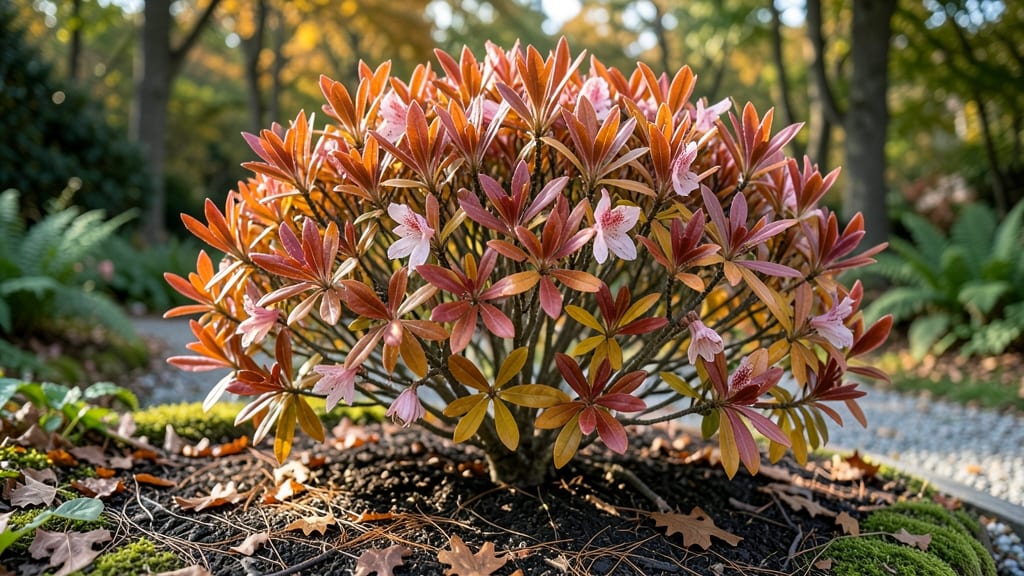
Caring for your Autumn Embers azalea through winter keeps those fiery red blooms coming year after year—even when snowflakes start falling. 🌿 I’ve learned the hard way that winter prep isn’t just about wrapping plants; it’s about understanding how azaleas actually survive cold snaps, from protecting tender buds to adjusting watering.
The key? Mimicking nature’s rhythm while giving your plant a fighting chance against frost. Most gardeners panic when leaves yellow or drop, but that’s normal—your azalea’s storing energy for spring.
What matters is the soil: keep it slightly moist but not soggy, mulch with 3-4 inches of shredded bark, and avoid heavy pruning until after blooms fade. A burlap wrap around the plant in late fall adds that extra layer of protection when temps drop below 20°F.
By spring, you’ll see fresh growth pushing through, sometimes even with buds already forming. The secret isn’t forcing blooms—it’s letting the plant rest so it comes back stronger. Think of winter as a reset button: less water, less stress, and more patience.
Your azalea will reward you with bold, vibrant blooms that outshine store-bought flowers. Works in zones 5-9, but even colder climates can adapt with extra mulch and windbreaks. The payoff? A garden that stays stunning when others go dormant. Let’s get your Autumn Embers through winter like a pro.
📚 In This Guide
- What you need
- Instructions
- Tips and common mistakes
- Wrapping up and next steps
What you need
- ● Autumn Embers azalea plant – 1 mature plant (3–5 years old for best winter resilience) or 3–5 young plants (1–2 years old) for a fuller display.
- ● Well-draining potting mix – 5 gallons of acidic (pH 5.0–6.0) soil blend (e.g., 50% peat moss, 30% pine bark fines, 20% perlite).
- ● Container or garden bed – For containers: 15–20 gallon pot (1 per plant) with drainage holes.
- ● For garden beds: Partial shade spot with 6+ hours of morning sun and afternoon shade.
- ● Organic mulch – 2–3 inches of pine straw or shredded bark to insulate roots.
- ● Fertilizer – Balanced azalea-specific fertilizer (e.g., 8-8-8 or 10-10-10) for spring/summer.
- ● Slow-release acid-loving plant granules (e.g., Osmocote) for winter prep.
- ● Watering can or hose with gentle spray nozzle – For deep, infrequent watering (avoid soggy roots!).
- ● Burlap or frost cloth – 1–2 yards to wrap containers or drape over garden plants (for temps <20°F/-7°C).
- ○ Mini greenhouse or cold frame – Optional for extreme climates (below 10°F/-12°C).
- ● Pruning shears – Sharp, clean pair for light winter pruning (sterilize with rubbing alcohol!).
- ● 🌡️ Thermometer – Monitor temps! Azaleas tolerate down to 0°F (-18°C) but may need protection below.
- ● ✨ pH test kit – Check soil acidity annually (aim for 5.0–6.0; adjust with sulfur if needed).
- ● 🚫 Avoid synthetic fertilizers (they raise pH) and heavy clay soils (root rot risk!).
How to care for Autumn Embers azalea through winter
Keep your frost-defying azalea vibrant all winter with these simple, seasonal steps.
☀️ Step 1: Position for Winter Sunlight
Autumn Embers azaleas thrive in partial shade, especially during winter. Move your plant to a location where it receives morning sun and afternoon shade—this prevents leaf scorch from cold winter sun while still providing enough light for photosynthesis. If your azalea is in a container, rotate it quarter-turn weekly so all sides get even exposure. You'll notice new growth emerging more evenly this way.
Watch for brown leaf edges—this is your signal that the sun is too harsh. If leaves start crisping, shift the plant to a slightly shadier spot immediately. In areas with heavy snowfall, consider a lightweight burlap wrap around the plant to protect it from snow damage without trapping moisture.
💧 Step 2: Adjust Watering for Winter Dormancy
Azaleas enter partial dormancy in winter, so they need less water—but never let the soil dry out completely. Water when the top inch of soil feels dry to the touch, typically every 10-14 days unless your home is extremely dry. Overwatering in winter can lead to root rot, especially in containers where drainage is critical. I like to use a moisture meter for accuracy, but if you don’t have one, stick your finger in the soil as your guide.
If your azalea is outdoors in a protected microclimate, check soil moisture more frequently during thaw cycles. Melted snow can saturate the soil unexpectedly, so always ensure containers have drainage holes and outdoor plantings are on slightly elevated ground. A mulch layer of 2-3 inches (like pine straw) helps insulate roots and retain moisture.
✂️ Step 3: Prune for Spring Growth
Late winter is the perfect time to prune Autumn Embers azaleas, typically in February or early March before new growth begins. Remove any dead, damaged, or crossing branches first—these compete with healthy growth and can harbor pests. Use clean, sharp pruners to make cuts just above a leaf node or outward-facing bud. You’ll see fresh, green buds forming within weeks after pruning.
Lightly shape the plant by trimming back any leggy growth by one-third. Avoid heavy pruning—azaleas bloom on old wood, so aggressive cuts reduce next year’s flowers. After pruning, give the plant a balanced fertilizer (like 10-10-10) to support new growth. This is also a great time to check for signs of pests or disease—look for webbing, holes in leaves, or black spots.
🪴 Step 4: Protect from Extreme Cold
While Autumn Embers azaleas are frost-hardy, they still need protection in below 10°F temperatures. Wrap the base of the plant with burlap or frost cloth, securing it loosely so air can circulate. For container-grown azaleas, move them to a sheltered spot like a garage or under an eave, but avoid freezing temperatures. If you can’t move them, bury the pots in 6 inches of mulch or straw to insulate roots.
Check on your azalea during sudden cold snaps—if leaves are frozen, they’ll turn black and crispy, but the plant will recover once temperatures rise. Never use plastic wraps or heavy materials, as they trap moisture and can cause rot. In early spring, remove protective coverings gradually to avoid shocking the plant with sudden warmth.
Tips & tricks for perfect winter azalea care
Here's what nobody tells you about keeping your Autumn Embers azalea thriving through winter's chill.
Light Exposure Secret: In Step 1, watch for subtle signs of sun stress—like brown leaf edges—that appear first on leaves facing east. These leaves get the harshest morning sun when temperatures are still cold. If you notice this, move your azalea to a spot with just a few hours of morning sun instead of all morning exposure. I've seen azaleas recover completely when shifted to the right light conditions within a week.
Watering Wisdom: The 10-14 day watering schedule in Step 2 works perfectly for most homes, but humidity levels change dramatically in winter. If your home has dry air from heating systems, check soil moisture every 7 days instead. Container-grown azaleas dry out faster than in-ground plants, so monitor them more frequently—especially if they're near heat vents or sunny windows.
Pruning Precision: When pruning in Step 3, focus on removing branches that cross or grow inward—they create weak spots where pests can hide. After pruning, give your azalea a light misting with water to help it recover faster. This isn't about watering but about signaling to the plant that it's time to focus on new growth. The 10-10-10 fertilizer mentioned is perfect, but if you can't find it, any balanced fertilizer with equal parts nitrogen, phosphorus, and potassium will work.
Cold Protection Strategy: For the extreme cold protection in Step 4, remember that air circulation is just as important as insulation. When wrapping your azalea in burlap or frost cloth, leave the top open so moisture can escape. I've seen too many azaleas suffer from rot because they were completely wrapped—even in cold weather, plants need to breathe. If you're using mulch, avoid piling it against the trunk, which can cause moisture buildup and invite pests.
Pro Tips for Autumn Embers Azalea In Winter
- Here's what nobody tells you about keeping your Autumn Embers azalea thriving through winter's chill.
- Light Exposure Secret: In Step 1, watch for subtle signs of sun stress—like brown leaf edges—that appear first on leaves facing east.
- Watering Wisdom: The 10-14 day watering schedule in Step 2 works perfectly for most homes, but humidity levels change dramatically in winter.
Frequently asked questions
Got questions about keeping your Autumn Embers Azalea vibrant all winter long? You’re not alone!
Here are answers to the most common queries—from frost protection to winter care hacks—so you can enjoy year-round color without the guesswork.
Can Autumn Embers Azalea survive freezing temperatures?
Yes! This variety is hardy to USDA Zone 7 (and sometimes Zone 6 with protection). While it can tolerate brief dips below 20°F, heavy frost or prolonged cold may damage blooms. Mulch heavily (3–4 inches) and wrap young plants in burlap for extra defense.
When should I prune Autumn Embers Azalea in winter?
Prune after flowering (late winter/early spring) to avoid cutting off next year’s buds. If you must shape in winter, do so only after the first hard freeze to prevent stimulating new growth. Use sterilized shears and remove no more than 1/3 of the plant at once.
What’s the best way to protect Autumn Embers Azalea from winter burn?
Winter burn (brown leaf edges) happens when roots freeze but tops don’t. Water deeply before the ground freezes and apply 3–4 inches of mulch (straw or shredded bark). For extra safeguards, wrap the plant in burlap or use a frost cloth on harsh nights.
Can I grow Autumn Embers Azalea in a container for winter?
Potted azaleas need insulation and drainage. Move containers to a protected spot (e.g., against a south-facing wall) and wrap the pot in bubble wrap. Avoid letting soil freeze—use heat mats or bury the pot in straw for extra warmth.
What’s a good alternative if Autumn Embers Azalea struggles in my climate?
If winters are too harsh, try Enkianthus (cloudberry) or Pieris japonica—both thrive in cooler zones and offer winter interest. For azalea lovers, Rhododendron ‘Catawbiense’ (Zone 5) is a hardier pick with stunning blooms.
Why are my Autumn Embers Azalea leaves turning yellow in winter?
Yellowing can signal overwatering, nutrient deficiency, or root stress. Check drainage (azaleas hate soggy roots!) and test soil pH (acidic 4.5–5.5 is ideal). If roots are exposed, add mulch immediately to insulate them.
Wrapping up and next steps
Bringing autumn embers azaleas into your winter landscape isn’t just possible—it’s a rewarding way to keep your garden vibrant year-round! 🌿 With the right frost-defying care, these stunning shrubs can thrive even in colder months, offering bursts of color when many plants rest.
Whether you’re trimming for health, protecting from chilly winds, or feeding with organic nutrients, your efforts will pay off in lush, resilient blooms.
Ready to embrace winter gardening? Start small—plant one azalea this season, experiment with care tips, and watch your garden transform into a four-season masterpiece. Your future self (and your neighbors!) will thank you. 🌸✨