
Vegetables
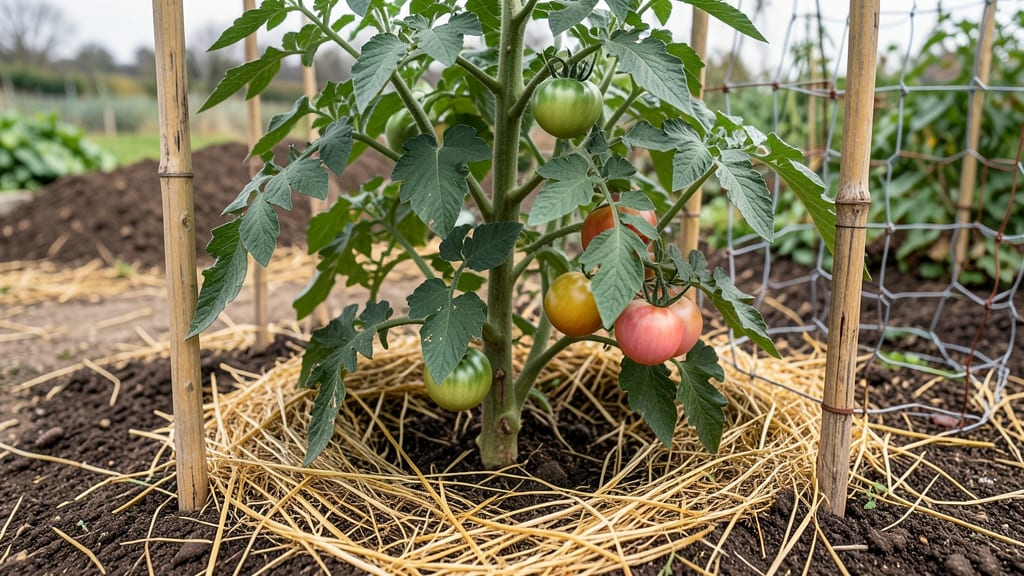
Growing Amish Paste heirloom tomatoes from seed means bold striped harvests that taste like summer in every jar. 🌱 I've grown this variety for years—its meaty texture and deep flavor make it perfect for sauces, and the plants practically grow themselves once established.
The key is starting seeds early and giving them the right conditions to thrive. These tomatoes need full sun (at least 8 hours daily) and well-draining soil rich in organic matter.
I swear by a 5-gallon container or raised bed for better drainage, which helps prevent cracking—a common issue with paste tomatoes. Prune aggressively to focus energy on fruit production, and watch those striped beauties ripen in 60 days from transplant.
By mid-summer, you'll have pounds of tomatoes perfect for canning, with a sweet-tangy flavor that beats store-bought every time. The plants are also disease-resistant, so you spend less time spraying and more time harvesting.
Whether you're a beginner or a seasoned gardener, this variety is foolproof once you get the basics right. Let’s get those seeds started!
📚 In This Guide
- What you need
- Instructions
- Tips and common mistakes
- Wrapping up and next steps
What you need
- ● Seeds: 1 packet of Amish Paste Heirloom Tomato seeds (non-GMO, heirloom variety). Tip: Save seeds from your best tomatoes for next season! 🌱
- ● Growing Containers or Garden Space: For container gardening: 5-gallon pots or larger (at least 18–24 inches deep) with drainage holes. Quantity: 1–2 per plant.
- ● For in-ground planting: Full-sun spot (6+ hours/day) with well-draining soil. Space plants 24–36 inches apart.
- ● Potting Soil: High-quality, organic potting mix (sterilized to prevent disease). Quantity: 1–2 bags (1–2 cubic feet each).
- ● Fertilizer: Balanced fertilizer (10-10-10 or 5-5-5) for seedlings.
- ● Tomato-specific fertilizer (high in phosphorus & potassium, e.g., 5-10-10) once plants flower.
- ● Support System: Cages (5–6 ft tall) or stakes (6 ft) to support vines. Quantity: 1 per plant.
- ● Mulch: Straw or shredded leaves to retain moisture and suppress weeds.
- ● Watering Can or Hose: With a gentle spray nozzle for seedlings.
- ● Seedling Heat Mat: To speed up germination (especially in cool climates).
- ● Grow Lights: For indoor seed starting (if sowing early).
- ● Pruning Shears: For shaping plants and removing suckers.
- ● Row Covers: Lightweight fabric to protect seedlings from pests or frost.
- ● pH Test Kit: To ensure soil pH is 6.0–6.8 (ideal for tomatoes).
- ● Compost or Worm Castings: For extra nutrients and soil health.
Step-by-step instructions for growing Amish Paste heirloom tomatoes
Here's the method I've used for years to grow these stunning, flavor-packed tomatoes from seed.
🌱 Step 1: Start Seeds Indoors for Early Growth
Fill small seedling trays with sterile seed-starting mix and plant two seeds per cell at a depth of ¼ inch. The Amish Paste variety germinates best in warm conditions, so place the tray on a seedling heat mat set to 75-85°F. Keep the soil consistently moist but never soggy—water from below by placing the tray in an inch of water for 10 minutes daily.
Cover with a humidity dome or plastic wrap to maintain warmth and moisture. You'll see the first sprouts in 5-10 days, though cooler rooms may take up to 14 days. Once seedlings emerge, remove the dome immediately to prevent damping-off. The seedlings will develop their first true leaves within 7-10 days after sprouting.
☀️ Step 2: Provide Optimal Light for Strong Seedlings
Move seedlings to a sunny windowsill or under grow lights providing 14-16 hours of light daily. Amish Paste tomatoes need strong, compact growth to support their heavy fruit. If seedlings stretch toward the light (becoming leggy), they're not getting enough intensity. Adjust the grow lights to 2-4 inches above the plants and raise them as the seedlings grow.
Strong seedlings will have thick stems and dark green leaves spaced 1-2 inches apart. Rotate the trays daily to prevent uneven growth. After 4-6 weeks, when seedlings have 4-6 true leaves, they're ready for transplanting. Harden them off by gradually increasing outdoor exposure over 7-10 days before moving to the garden.
🪴 Step 3: Transplant and Support for Heavy Fruit
Choose a location with full sun (6+ hours daily) and well-draining soil. Amish Paste tomatoes need strong support—install 6-foot cages or sturdy stakes at planting time. Dig a hole twice as wide as the root ball and mix in compost to enrich the soil. Plant seedlings 18-24 inches apart in rows 24-36 inches apart to allow airflow and reduce disease risk.
Water deeply at planting to settle the soil and encourage root growth. Mulch with straw or shredded leaves to retain moisture and suppress weeds. The plants will bolt upward quickly, so prune suckers (side shoots in the leaf axils) to direct energy to fruit production. Remove any leaves touching the soil to prevent disease.
💧 Step 4: Water and Fertilize for Maximum Yield
Water at the base of the plant in the morning to allow foliage to dry, reducing fungal diseases. Amish Paste tomatoes need 1-2 inches of water weekly, but adjust based on rainfall and temperature. Let the top 1-2 inches of soil dry between waterings to prevent root rot. Avoid wetting the leaves to minimize disease pressure.
Fertilize with a balanced organic fertilizer (10-10-10) every 3-4 weeks after transplanting. Once fruit sets, switch to a low-nitrogen, high-phosphorus fertilizer (5-10-10) to encourage flowering and fruiting. You'll notice large, striped fruits forming 60-70 days after transplanting, depending on your climate.
✂️ Step 5: Prune and Harvest for Continuous Production
Prune the main stem to 4-5 feet to improve airflow and fruit quality. Remove any yellowing or diseased leaves promptly to keep the plant healthy. As fruits ripen, harvest them when fully colored and slightly soft to the touch. The Amish Paste variety produces large, paste-like tomatoes perfect for sauces and canning.
Continue harvesting regularly to encourage more production. You'll get 4-6 pounds of tomatoes per plant if cared for properly. Save seeds from the best fruits by scooping out the gel and drying it on a paper towel for future planting. With proper care, your Amish Paste tomatoes will reward you with bold, flavorful harvests all season long.
Tips & tricks for perfect Amish Paste heirloom tomatoes
Between us, these heirloom beauties demand a little extra TLC to reach their full potential—and I've learned which details truly make the difference.
Heat Mat Precision: That 75-85°F range on your seedling heat mat isn't just arbitrary—it's the Goldilocks zone for Amish Paste germination. I've seen batches fail when temps dip below 70°F or spike above 90°F. Invest in a quality thermometer to monitor consistently. The first 10 minutes of daily watering from below (placing trays in 1 inch of water) ensures even moisture without soggy soil—critical for preventing damping-off disease.
The Light Factor: Those 14-16 hours of daily light aren't negotiable for compact growth. If your windowsill isn't cutting it, supplement with LED grow lights positioned 2-4 inches above seedlings. I rotate my trays every 8 hours to prevent leggy growth—look for seedlings with stems thicker than a pencil and leaves spaced 1-2 inches apart. This structural integrity supports those 4-6 pound fruits later.
Transplant Timing: Don't rush the 7-10 day hardening process! Gradually increase outdoor exposure by 2 hours daily, starting with morning sun only. I've seen seedlings shocked by full sun too soon—leaves turn white and crispy within hours. Also, bury your seedlings deeper than they grew in trays: up to the first true leaves. This encourages stronger root systems for the heavy fruit to come.
Fertilizer Transition: The switch from balanced (10-10-10) to high-phosphorus (5-10-10) fertilizer at fruit set is crucial. I mix mine with water and apply it to the soil surface (not leaves) to prevent burn. The key is consistency—those 3-4 week intervals keep your plants producing until frost. And remember, the 60-70 day estimate assumes average conditions; cooler climates may take 10-14 days longer to reach harvest.
Pro Tips for Amish Paste Heirloom Tomato
- Between us, these heirloom beauties demand a little extra TLC to reach their full potential—and I've learned which details truly make the difference.
- Heat Mat Precision: That 75-85°F range on your seedling heat mat isn't just arbitrary—it's the Goldilocks zone for Amish Paste germination.
- The Light Factor: Those 14-16 hours of daily light aren't negotiable for compact growth.
Frequently asked questions
Got questions about growing Amish Paste heirloom tomatoes? You’re not alone—this bold striped beauty is a favorite, but it comes with its own quirks! Here are answers to the most common queries to help you crush your harvest like a seasoned gardener.
How do I tell if my Amish Paste tomato seeds are still viable?
Test viability by placing a few seeds between damp paper towels in a sealed bag for 5–7 days. If most sprout, they’re good to go! Store-bought seeds usually last 2–4 years if kept dry and cool. For extra insurance, soak seeds overnight in warm water before planting—this speeds up germination and helps you spot any duds.
When is the best time to transplant Amish Paste seedlings outdoors?
Wait until nighttime temperatures stay above 55°F (13°C)—typically 2–3 weeks after your last frost date. Harden off seedlings first by gradually exposing them to outdoor conditions over 7–10 days. Plant in the late afternoon to reduce transplant shock. Pro tip: Use a tomato cage or stakes early to support their heavy vines!
Why are my Amish Paste tomatoes cracking, even though I’m watering consistently?
Cracking usually happens when soil moisture fluctuates wildly—like dry spells followed by heavy watering. Keep soil evenly moist (not soggy) by mulching with straw and watering at the base in the morning. If cracks appear, don’t stress—these tomatoes are still delicious! Just harvest them early to avoid further splitting.
Can I grow Amish Paste tomatoes in containers, and what size pot do I need?
These vining tomatoes thrive in 5-gallon containers or larger (at least 18" deep) with drainage holes. Use a lightweight potting mix and a sturdy cage or trellis. Place pots in full sun (6+ hours/day) and fertilize weekly with a balanced liquid feed. Just be prepared to water more often—containers dry out faster!
What’s a good alternative if I can’t find Amish Paste seeds?
Try these paste tomato varieties with similar traits:
- San Marzano – Classic Italian paste tomato, disease-resistant.
- Roma – Reliable, early producer, great for sauces.
- Brandywine – Heirloom with meaty flesh (though larger).
- Amish Paste’s cousin: ‘Amish Hybrid’ – Disease-resistant hybrid with similar flavor.
Wrapping up and next steps
Growing Amish Paste heirloom tomatoes is a rewarding journey that brings bold flavors and vibrant stripes to your kitchen—all in just 60 days! Whether you're a seasoned gardener or a curious beginner, these heirloom gems thrive with simple care, rich soil, and a little patience.
Your effort will pay off with heirloom-quality tomatoes perfect for sauces, salads, or preserving.
Ready to take the next step? Start your seeds indoors this week, or head to your local nursery to find transplants. Then, watch your garden transform into a burst of red-and-yellow beauty—one striped tomato at a time! 🌱✨